Concrete-mesa | Concrete Admixtures, Tools, and Production Machines

Improve Concrete Material To Improve Seismic Performance Of Steel Fiber
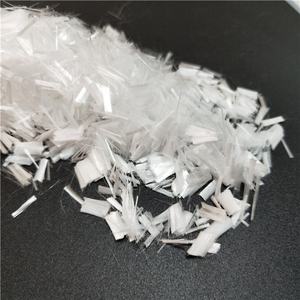
PRODUCT PARAMETERS
Description
Overview of Improve Concrete Material To Improve Seismic Performance Of Steel Fiber
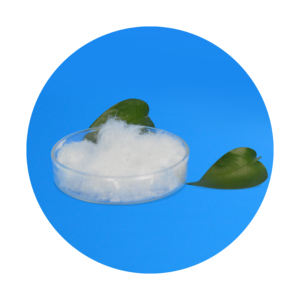
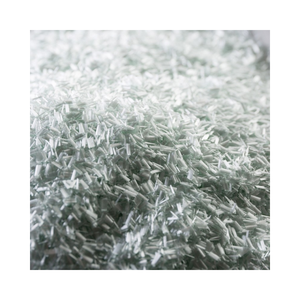
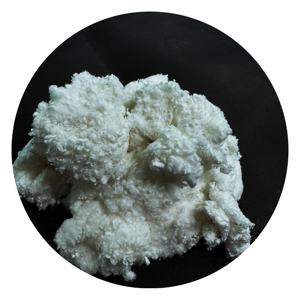
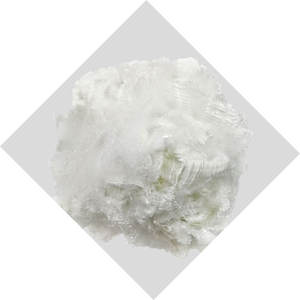
For high-impact resistance, we offer Steel Fibers, an ideal replacement for welded wire mesh in industrial floors and pre-cast elements. We also provide specialized Structural Synthetic Fibers that offer high tensile strength for demanding applications. These fibers are uniformly dispersed throughout the concrete mix, creating a multi-dimensional reinforcement network that traditional methods cannot achieve. This integrated approach simplifies construction, accelerates placement, and enhances the overall integrity and longevity of the concrete, providing a modern answer to age-old cracking and durability challenges.
Features of Improve Concrete Material To Improve Seismic Performance Of Steel Fiber
1. Superior Crack Control and Enhanced Durability:
The primary feature of our fibers is their ability to bridge both micro-cracks that form during the plastic state and larger cracks in hardened concrete. This three-dimensional dispersion creates a more cohesive matrix that resists crack propagation. The direct benefit is a significant reduction in both plastic shrinkage cracking and long-term crack width. This leads to a much more durable concrete with lower permeability, which in turn enhances resistance to water ingress, freeze-thaw damage, and corrosion of any embedded steel. The result is a structure with a longer service life and reduced maintenance costs.
2. Increased Impact and Abrasion Resistance:
Fibers, particularly steel and robust synthetic macro fibers, dramatically improve the concrete’s toughness and post-crack performance. They absorb and distribute energy upon impact or loading. This feature provides the benefit of a more resilient surface that is less prone to spalling, chipping, and abrasion under heavy traffic or mechanical wear. This is a critical advantage for industrial floors, warehouse pavements, and infrastructure projects, leading to a harder-wearing surface that maintains its integrity over time.
3. Construction Efficiency and Cost Savings:
A key feature of using fiber reinforcement is the elimination of welded wire mesh (WWF) in many applications. This provides immense on-site benefits: it simplifies placement, as there is no mesh to be set up or potentially displaced, and it accelerates the entire construction process. By removing a labor-intensive step, projects see reduced labor costs and faster project timelines. The uniform distribution of fibers also ensures consistent reinforcement throughout the entire concrete section, unlike mesh, which can be improperly placed, leading to more reliable and predictable performance.

Specifications of Improve Concrete Material To Improve Seismic Performance Of Steel Fiber
Steel fiber concrete offers better quake resistance. This product upgrade reinforces concrete frameworks versus seismic pressures. Steel fibers blended into concrete develop a reinforcing network. This network holds the concrete together even when large fractures create during shaking. It stops the concrete from disintegrating suddenly. This action dramatically enhances general architectural stability under earthquake tons.
Trick specifications ensure this product carries out well in earthquakes. Fiber kind issues. Hooked-end steel fibers supply the best anchorage within the concrete mix. Fiber length is essential. Fibers in between 30mm and 60mm long usually function best. Fiber dose is important. A minimum of 20 kilos of fibers per cubic meter of concrete is typically called for. Greater does, like 30-40 kg/m TWO, offer even better sturdiness and split control. Fiber facet ratio requires attention. Ratios (length split by diameter) in between 45 and 80 are common for seismic applications.
Concrete mix layout have to fit the fibers. The base concrete mix calls for great workability. Fibers can make the mix stiff. Utilizing superplasticizers assists maintain appropriate circulation for placement. The mix requires adequate paste volume. This paste layers the fibers and accumulations properly. Adequate paste ensures uniform fiber circulation. Excellent compaction throughout pouring is essential. This action gets rid of air pockets and makes certain fibers are well-positioned throughout the structure. Correct curing is non-negotiable. Curing creates the concrete’s complete strength and bond with the fibers. Regular quality assurance checks fiber material and mix harmony on website.
Using steel fiber concrete methods structures can absorb a lot more power. Frameworks bend and flaw without falling down catastrophically. This material upgrade gives crucial added time for evacuation throughout quakes. It lowers repair service prices dramatically after seismic occasions. Structures stay practical much longer.
Applications of Improve Concrete Material To Improve Seismic Performance Of Steel Fiber
Quakes drink structures hard. Normal concrete cracks conveniently under this stress and anxiety. Steel fibers blended right into concrete adjustment this. These little metal pieces include toughness throughout the product. They bridge fractures as they try to create. This quits cracks from growing vast swiftly. Slim fractures mean the concrete remains with each other better. It doesn’t break down all of a sudden.
The fibers make the concrete tougher. Toughness is essential for earthquake resistance. The concrete can flex a little without damaging. This bending ability is called ductility. Ductile concrete takes in quake energy. It doesn’t just snap. This safeguards the structure inside. Beam of lights and columns last longer throughout trembling. Damage is much less serious.
Steel fibers additionally aid concrete manage duplicated tension. Earthquakes create back-and-forth movement. Fibers hold the concrete together through many cycles. They prevent items from flying off. This is essential for security. Falling concrete threatens. Fiber concrete reduces this danger significantly.
Making use of fiber concrete is sensible. Contractors add fibers during normal mixing. It does not require unique skills. The mix works well in intricate shapes. It performs excellently in critical areas. Structure joints see high anxiety throughout quakes. Fiber concrete reinforces these powerlessness. Precast concrete elements profit as well. Passage linings get extra longevity. Bridge decks endure trembling better. Retrofitting old structures is much easier with fiber concrete. It adds strength without much additional weight.
Company Profile
We are the global leader in lightweight concrete and advanced engineered foam solutions. Known globally for its commitment to research, innovation, and applied expertise, we have been providing engineered foam solutions since the early 2012’s.
We can supply high-quality concrete admixture and foam concrete related products all over the world.
The company has a professional technical department and quality supervision department, a well-equipped laboratory, and equipped with advanced testing equipment and after-sales customer service center.
If you are interested, please feel free and contact us.
Payment
T/T, Western Union, Paypal, Credit Card etc.
Shipment
By air, by sea, by express, as customers request.
5 FAQs of Improve Concrete Material To Improve Seismic Performance Of Steel Fiber
What does steel fiber do in concrete?
Steel fibers get mixed into the concrete. They spread out randomly inside. When cracks start forming, these fibers bridge across the cracks. They hold the concrete together. This stops cracks from opening too wide too fast. The concrete stays stronger after it cracks.
Why does this help in earthquakes?
Earthquakes shake buildings violently. Concrete can crack badly under this shaking. Steel fibers make the concrete tougher. The concrete can bend and stretch more without completely breaking apart. This toughness absorbs the earthquake’s energy. The structure stays more stable. Damage gets reduced.
What kind of steel fibers work best?
Not all steel fibers are the same. Shape and surface texture matter a lot. Fibers with hooked ends or wavy shapes grip the concrete better. They pull out slower when cracks open. This gives the best toughness. Longer fibers usually help more than very short ones. The fiber material must resist corrosion too.
Is mixing this concrete difficult?
Mixing requires careful attention. Adding the fibers correctly is key. Dump them slowly into the mixer. Avoid dumping them all at once. This prevents the fibers from clumping together. Mix thoroughly. The concrete needs good workability. Sometimes a little more water or special additives help the mix flow right. Proper mixing ensures the fibers spread evenly.
How do we know it works for seismic use?
Testing proves the performance. Special lab tests measure toughness. They bend sample beams until they crack. The test measures how much energy the beam absorbs after cracking. This shows the fiber concrete’s ductility. Engineers compare this data to building code requirements for seismic zones. Meeting these standards confirms it works.