Concrete-mesa | Concrete Admixtures, Tools, and Production Machines

Middle Home Business Concrete Mold Blocks Brick Molding Machine Cement Raw Material
PRODUCT PARAMETERS
Description
Overview of Middle Home Business Concrete Mold Blocks Brick Molding Machine Cement Raw Material
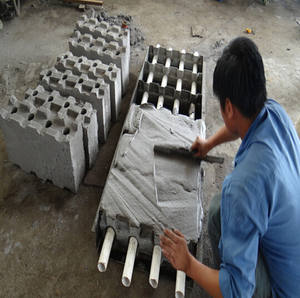
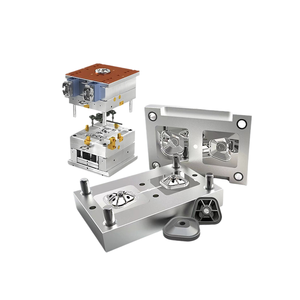
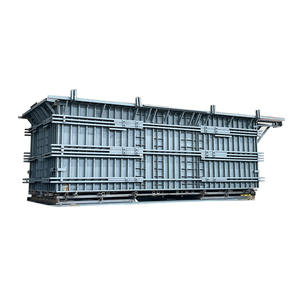
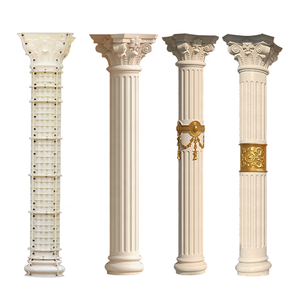
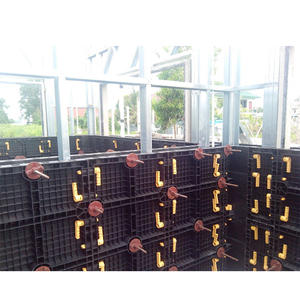
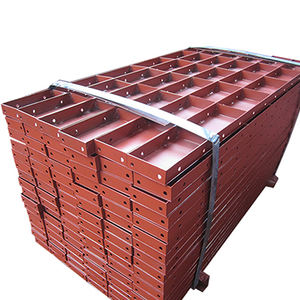
Middle Home Business Concrete Mold Blocks Brick Molding Machine Cement Raw Material is essential for shaping concrete into specific forms during construction and manufacturing processes. These molds come in various designs, materials, and sizes to cater to different applications such as decorative elements, structural components, or custom creations. They are commonly used in the production of concrete blocks, paving stones, wall panels, and architectural elements. Available in steel, plastic, silicone, and rubber materials, concrete molds are designed for easy release, providing clean edges and uniform shapes. They are widely used in both large-scale industrial projects and smaller, custom concrete works, offering efficiency, precision, and versatility. By ensuring accurate shapes and smooth finishes, concrete molds help improve production consistency and reduce labor time, making them a valuable tool in construction and manufacturing.
Characteristics of Middle Home Business Concrete Mold Blocks Brick Molding Machine Cement Raw Material
High Precision: Concrete molds are crafted with precision to create uniform, accurate shapes, ensuring consistent dimensions and quality in every piece of concrete. This is essential for both structural integrity and aesthetic appeal.
Versatile Designs: Available in various shapes and sizes, concrete molds cater to a wide range of applications, from simple concrete blocks to intricate decorative pieces. Custom molds can also be designed to meet specific project requirements.
Durable Materials: Concrete molds are typically made from robust materials such as steel, plastic, rubber, or silicone, offering strength and durability to withstand the pressure of concrete pouring and curing, ensuring long-term performance.
Easy Release and Cleanliness: Most concrete molds are designed with a non-stick surface or coating, allowing for easy release of the molded concrete without damage. This results in smoother, cleaner finishes and reduces cleanup time.
Reusable: Concrete molds are designed for repeated use, which makes them highly cost-effective for large-scale production runs or ongoing projects. They provide excellent value by reducing the need for new molds with each batch.
Customization Options: Custom concrete molds can be designed to create specific shapes, patterns, or sizes tailored to unique project needs. This flexibility allows for creative and highly specialized concrete products.
Efficient Production: By providing quick and easy molding, concrete molds significantly reduce labor time, increasing production efficiency and allowing for faster project completion.
Consistent Quality: Using molds ensures uniformity in concrete components, reducing variations in shape and size that can occur with manual methods. This leads to more reliable and consistent results.
Cost-Effective: Concrete molds reduce the amount of labor required for shaping and finishing concrete, cutting down on time and labor costs. They also reduce material waste, as they create precise forms and minimize errors during production.
Weather and Chemical Resistance: Depending on the material used, some concrete molds are resistant to harsh weather conditions and chemical exposure, making them suitable for both indoor and outdoor applications, including landscaping, pavements, and structural elements.
Ease of Use: Concrete molds are designed to be user-friendly, allowing for easy setup, pouring, and demolding. This reduces the complexity of the concrete molding process and ensures a smooth workflow for operators.
Enhanced Aesthetic Appeal: When used for decorative purposes, concrete molds help achieve intricate patterns, textures, and shapes, enhancing the visual appeal of architectural elements, garden features, and paving designs.

Specification of Middle Home Business Concrete Mold Blocks Brick Molding Machine Cement Raw Material
This maker makes concrete blocks for home businesses. It makes use of concrete, sand, and crushed rock. You blend these basic materials with water. The device presses the mix right into solid blocks. It works well for small jobs.
The equipment has strong steel molds. These mold and mildews shape the blocks. You can pick various mold and mildew dimensions. Typical block dimensions are 4x8x16 inches or 6x8x16 inches. The machine makes several blocks each time. It produces concerning 300 to 500 blocks every hour. This speed is good for home based business.
You need conventional electricity to run it. The controls are easy. Operators learn it quick. Security features shield users. The framework is tough steel. It manages heavy use. Parts withstand corrosion. This machine lasts years.
Setting up is very easy. You do not require unique abilities. The maker suits small workshops. It saves space. Upkeep is straightforward. You clean it after usage. You examine parts routinely. Oil moving components often. This keeps it functioning smoothly.
The blocks are strong and even. They have smooth surface areas. Building contractors utilize them for wall surfaces, courses, or little buildings. You save money making your own blocks. You regulate the high quality. The device uses local products. This reduces prices a lot more. It’s a smart tool for beginning a cinder block company in your home.
Applications of Middle Home Business Concrete Mold Blocks Brick Molding Machine Cement Raw Material
This device makes concrete blocks and bricks. Building contractors utilize it for numerous jobs. Small companies discover it specifically helpful. It turns raw cement into strong structure materials. You placed concrete, sand, crushed rock, and water right into the maker. The maker blends whatever well. After that it presses the mix securely right into mold and mildews. The forms come out strong and constant. The blocks completely dry rapidly and get extremely hard.
Individuals make use of these blocks for building wall surfaces. Houses, shops, and workshops need walls. The blocks benefit foundations too. They support the whole structure. Fencings and garden wall surfaces prevail uses. In some cases individuals make leading stones for courses. The device alters shapes and sizes. Basic blocks are common. Hollow blocks are lighter however strong. Unique attractive blocks are possible as well.
Having this maker conserves cash. You don’t require to purchase blocks from away. Making blocks on-site is less expensive. You manage the products and quality. It saves time waiting on shipments. Labor expenses go down. A couple of workers can run the device. It does not need a substantial factory. Small yards work penalty. The equipment is tough. It lasts years with easy care. Repair work are typically easy. Components are readily available. This benefits tiny builders. It’s good for entrepreneurs starting a block-making organization. Farmers may utilize it for ranch buildings. The blocks resist climate. They last a long time. They manage hefty loads. Fire does not harm them conveniently. Pests like termites don’t consume concrete. The machine utilizes regional products. You can discover sand and crushed rock close by. Concrete is widely sold. Water is essential. The process is straightforward. Educating workers is basic. The output is dependable. Projects finish much faster. Construction quality boosts. It develops things that last.
Company Profile
We are the global leader in lightweight concrete and advanced engineered foam solutions. Known globally for its commitment to research, innovation, and applied expertise, we have been providing engineered foam solutions since the early 2012’s.
We can supply high-quality concrete admixture and foam concrete related products all over the world.
The company has a professional technical department and quality supervision department, a well-equipped laboratory, and equipped with advanced testing equipment and after-sales customer service center.
If you are interested, please feel free and contact us.
Payment
T/T, Western Union, Paypal, Credit Card etc.
Shipment
By air, by sea, by express, as customers request.
5 FAQs of Middle Home Business Concrete Mold Blocks Brick Molding Machine Cement Raw Material
What materials do I need to make blocks?
You need cement, sand, gravel, and water. Mix these together well. The exact mix ratio depends on the block strength you want. Stronger blocks need more cement. Sand and gravel fill the space. Water makes the mix workable. Too much water makes weak blocks. Too little water makes mixing hard. Find the right balance.
How does the brick molding machine work?
Load the wet concrete mix into the machine’s hopper. Pull the lever or handle firmly. This pushes the mix down into the mold cavity. Keep pulling until the mold is full and compacted. Release the lever. Lift the machine straight up. The formed block stays on the ground. Move the machine to the next spot. Repeat the process. It’s simple manual operation.
How long before I can use the blocks?
Leave the fresh blocks where you made them for 24 hours. Keep them damp. Cover them with plastic sheeting or wet burlap sacks. This prevents drying too fast. After 24 hours, carefully move them to a curing area. Stack them carefully. Keep them moist for at least 7 days. This curing makes them much stronger. Don’t use them for building before 7 days. Longer curing is better.
What machine maintenance is needed?
Clean the machine thoroughly after every use. Use water and a brush. Remove all leftover concrete. Leftover concrete hardens. Hardened concrete jams the machine. Lubricate moving parts regularly. Use light oil. Check bolts and nuts for tightness. Tighten any loose ones. Store the machine in a dry place. Protect it from rain and sun. This prevents rust and damage.
Where should I store raw materials?
Store cement bags off the ground. Use pallets or a concrete floor. Cover cement completely with plastic sheets. Cement absorbs moisture from the air. Moisture ruins cement. Keep sand and gravel piles covered too. Use tarps. Rain washes away fine particles. Wind blows dust away. Keeping materials dry and contained saves money. It ensures consistent block quality.