Concrete4U | Concrete Admixtures, Tools, and Production Machines

Good quality High Temperature Furnace Aerogel Thermal Refractory ceramic fibre wool
PRODUCT PARAMETERS
Description
Overview of Good quality High Temperature Furnace Aerogel Thermal Refractory ceramic fibre wool
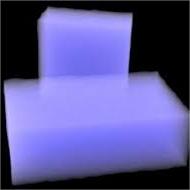
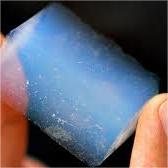
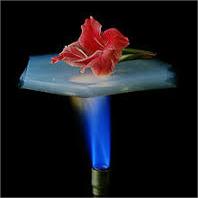
Good quality High Temperature Furnace Aerogel Thermal Refractory ceramic fibre wool can meet the most demanding thermal insulation challenges across various industries. Our portfolio includes aerogel powder, aerogel thermal insulation coating, and aerogel insulation felts in various specifications, each engineered for superior performance.
Characteristics of Good quality High Temperature Furnace Aerogel Thermal Refractory ceramic fibre wool
Aerogel Powder is the fundamental form of this revolutionary material, characterized by its extremely low density and high surface area. It serves as a critical additive for enhancing thermal properties in composites, plastics, coatings, and functional materials, bringing nano-scale insulation power to your formulations.
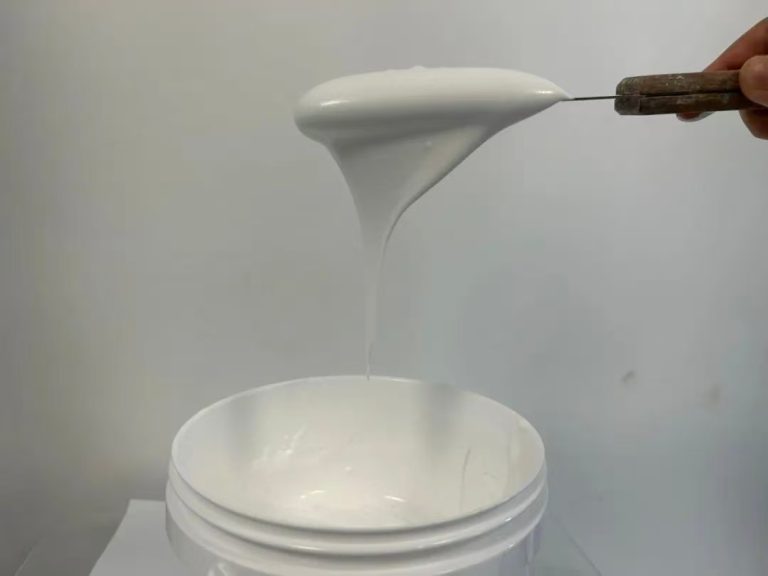
The Aerogel Thermal Insulation Coating integrates our proprietary powder into a robust, easy-to-apply solution. This coating provides exceptional thermal resistance, weatherproofing, and corrosion protection for pipes, tanks, and industrial structures. It is ideal for complex geometries where traditional insulation is impractical, sealing heat loss effectively.
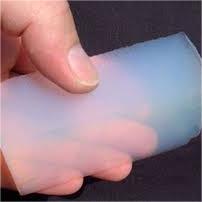
Our Aerogel Insulation Felts are flexible, durable blankets available in various thicknesses, densities, and dimensions to suit diverse applications. Combining the phenomenal insulating power of aerogel with a practical, roll-out format, they are perfect for high-temperature industrial piping, HVAC systems, building envelopes, and more. They offer maximum thermal efficiency with minimal space requirements.

Specifications of Good quality High Temperature Furnace Aerogel Thermal Refractory ceramic fibre wool
High quality high temperature heating system aerogel thermal refractory ceramic fiber wool supplies excellent insulation. It withstands extreme warmth. This material has aerogel particles. Aerogel boosts its thermal efficiency substantially. The ceramic fiber wool base uses flexibility and strength. Together they create a remarkable shielding item.
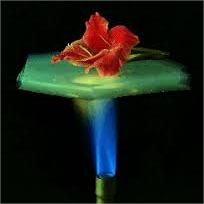
The optimum solution temperature level gets to extremely high levels. It manages temperatures surpassing 1000 levels Celsius easily. This makes it ideal for requiring furnace applications. Thermal conductivity remains reduced even at high heat. Reduced thermal conductivity means far better insulation. Warmth transfer slows down considerably. Heaters remain hotter inside, conserving energy.
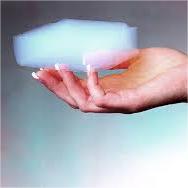
This insulation product is lightweight. Lightweight materials are easier to handle and mount. Thickness is low, contributing to its agility. Reduced density likewise assists its insulating residential properties. Air pockets within the structure trap heat successfully. The product really feels soft but is solid enough for commercial use. It resists tearing and damages throughout installment.
Density options differ. Common densities match different heater styles and warmth areas. Individuals pick the density needed for their particular thermal obstacle demands. The product can be found in rolls or pre-cut items. This allows for flexible installation techniques. Reducing onsite is possible also. Installers shape it around pipelines or complicated furnace shapes.
Chemical stability is one more essential feature. The product resists most chemicals found in furnace settings. It does not break down quickly from direct exposure to fumes or gases. Long life span is anticipated. Heaters operate effectively for longer periods. Maintenance needs decrease. Production uptime boosts. This insulation shields heating system structures. It keeps heat where it belongs.
Applications of Good quality High Temperature Furnace Aerogel Thermal Refractory ceramic fibre wool
Top quality high temperature heater aerogel thermal refractory ceramic fiber wool offers impressive heat insulation. It maintains furnaces hot inside. This conserves a great deal of power. Manufacturing facilities utilize much less gas. Expenses drop. The material endures extremely heats conveniently. It remains stable and does not break down. This makes heaters last much longer. Maintenance comes to be less complicated and less costly.
Metal processing plants require this insulation. It lines heating systems for melting steel and light weight aluminum. The insulation avoids warm loss. Workers remain safer near hot tools. Glass manufacturers likewise rely on it. Their heaters run extremely warm. Great insulation makes sure also home heating. This boosts glass top quality. Less power waste occurs.
Chemical plants and refineries use it too. High warmth procedures are common there. The insulation secures pipes and activators. It keeps temperatures consistent. Manufacturing stays reliable. Safety and security improves around hot surface areas. Power generation benefits as well. Central heating boilers and generators operate hotter. Better insulation boosts power result. Gas usage drops considerably.
Kilns for ceramics and bricks utilize this wool. Regular high warm is important. The insulation aids preserve exact temperatures. Product high quality improves. Power bills obtain lower. Foundries casting steel find it important. Crucibles and ladles hold molten steel. Insulation avoids harmful warmth radiation. Operating problems improve. The ceramic fibre wool is versatile and light. Installers fit it quickly around intricate forms. It seals voids efficiently. Warmth remains where it should.
Company Profile
We are the global leader in lightweight concrete and advanced engineered foam solutions. Known globally for its commitment to research, innovation, and applied expertise, we have been providing engineered foam solutions since the early 2012’s.
We can supply high-quality concrete admixture and foam concrete related products all over the world.
The company has a professional technical department and quality supervision department, a well-equipped laboratory, and equipped with advanced testing equipment and after-sales customer service center.
If you are interested, please feel free and contact us.
Payment
T/T, Western Union, Paypal, Credit Card etc.
Shipment
By air, by sea, by express, as customers request.
5 FAQs of Good quality High Temperature Furnace Aerogel Thermal Refractory ceramic fibre wool
What is aerogel thermal refractory ceramic fibre wool? Aerogel thermal refractory ceramic fibre wool combines ceramic fibres with aerogel particles. This creates a super lightweight insulation material. It works very well for high heat applications. People use it in furnaces and kilns. It stops heat from escaping effectively. This helps save energy. It also keeps the work area cooler and safer.
How hot can this insulation handle? Good quality aerogel ceramic fibre wool withstands very high temperatures. It typically handles continuous heat over 1260°C (2300°F). Some top grades manage even higher temperatures, near 1400°C (2550°F). It stays stable. It does not melt or break down easily. This makes it reliable for intense industrial heat.
Why choose this over regular ceramic fibre? Aerogel boosts the insulating power significantly. Regular ceramic fibre wool is good. Adding aerogel makes it much better at blocking heat. Less material is needed for the same result. The finished insulation layer is thinner. This saves space inside the furnace or oven. It cuts down on heat loss dramatically. Fuel costs drop because of this efficiency.
Is it hard to install? Installing this wool is generally straightforward. Workers handle it like other ceramic fibre products. They can cut it to size. They shape it to fit pipes or complex furnace parts. Safety gear is needed. The fibres can be irritating. Proper gloves, masks, and clothing protect the installers. Following the maker’s guide is important for best results and safety.
Where is this material typically used? This advanced insulation suits many demanding high-heat jobs. Industries use it in metal heat treatment furnaces. Foundries rely on it for melting metal. Ceramics producers place it in kilns. Glass manufacturers install it in their ovens. Chemical plants apply it too. Any place needing strong, efficient thermal barriers benefits from it. It performs well where temperatures soar.