Concrete4U | Concrete Admixtures, Tools, and Production Machines

Plaster Trowel Cement Plastering Float Tile Hand Scraper Tools Concrete Finishing Trowel Paving Molds
PRODUCT PARAMETERS
Description
Overview of Plaster Trowel Cement Plastering Float Tile Hand Scraper Tools Concrete Finishing Trowel Paving Molds
The Concrete Tools product line provides comprehensive solutions for contractors, tradespeople, and dedicated DIYers working with concrete. Our catalog is systematically organized to support every critical phase of the concrete workflow.
Features of Plaster Trowel Cement Plastering Float Tile Hand Scraper Tools Concrete Finishing Trowel Paving Molds
It begins with Mixing & Transport, featuring sturdy mortar tubs and mixing carts for preparing and moving material. Next, the Placing & Leveling section offers a variety of trowels, floats, and screeds to spread and initially level the concrete slab. For the Finishing & Polishing stage, we supply everything from hand edgers to power trowels, enabling a smooth, dense, and professional-grade surface. Finally, our Texturing & Stamping collection includes imprint mats and texture rollers to create beautiful, durable finishes that mimic stone, brick, or wood.
Whether you’re pouring a foundation, a patio, or a decorative walkway, Concrete Tools provides the reliable equipment you need to execute the job efficiently and to the highest standard.
The products within the Concrete Tools column are engineered to meet the rigorous demands of concrete work, offering distinct advantages that enhance productivity, results, and long-term value.
Unmatched Durability and Longevity: Concrete is abrasive and corrosive. Our tools are constructed from high-grade materials like high-carbon steel and forged alloys, often featuring protective coatings to resist rust and wear. This robust construction ensures they withstand daily job site abuse, significantly outlasting conventional tools and providing a better return on investment over time.
Ergonomic Design for Enhanced Control and Comfort: We prioritize the user’s experience. Hand tools are equipped with contoured, non-slip grips that reduce hand and wrist fatigue, allowing for longer, more comfortable work periods. The optimal balance and weight distribution of our trowels and floats provide superior control and a “”feel”” for the material, leading to a flatter, more consistent finish and reduced rework.
Innovation and Functional Versatility: Our product line continuously evolves to incorporate new solutions. This includes specialized tools for intricate edging and jointing, as well as innovative stamping mats that create deeper, more realistic texture patterns. This variety ensures that professionals have access to the right tool for both standard tasks and unique design challenges, fostering creativity and efficiency on diverse projects, from simple slabs to complex architectural elements.”

Specifications of Plaster Trowel Cement Plastering Float Tile Hand Scraper Tools Concrete Finishing Trowel Paving Molds
Plaster trowels are crucial devices for applying plaster. They have a flat, rectangle-shaped blade. This blade is normally made from stainless-steel. Stainless steel resists rust. It also makes cleaning easier. The blade needs to be versatile. Flexibility assists develop a smooth coating. A comfy deal with is very important. It minimizes hand fatigue during lengthy jobs.
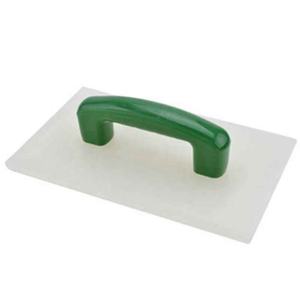
Concrete plastering floats comply with the trowel. They level the plaster surface area. Flats are typically made from timber or plastic. Wood drifts are typical. Plastic drifts are lightweight and sturdy. Some drifts have actually a sponge affixed. Sponge drifts include a fine structure. They help remove minor imperfections.
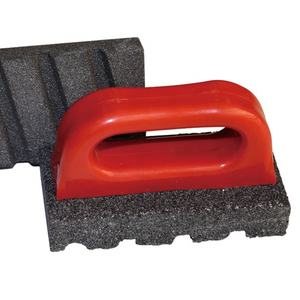
Floor tile hand scrapes take on tough jobs. They eliminate old ceramic tile adhesive and cement. Scrapers have a durable metal blade. This blade can deal with hard products. The blade must be sharp. Intensity makes sure reliable elimination. An excellent hold deal with gives control. Control prevents damage to underlying surfaces.
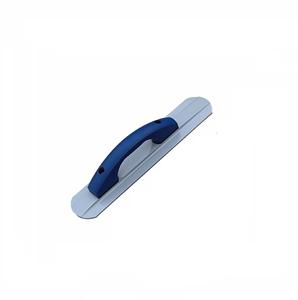
Concrete completing trowels shape the last appearance. They are made use of after the preliminary pour. Finishing trowels come in different dimensions. Hand-held trowels help smaller sized areas. Bigger locations require bigger trowels. The blade is generally steel. A mild curve assists achieve a flat surface. A smooth coating needs method and the right tool.
Paving mold and mildews help produce patterned surface areas. They are frames positioned on damp concrete. You fill the mold with concrete mix. Removing the mold leaves a pattern. Patterns can be straightforward or complex. Molds are normally made from plastic or steel. Plastic is lighter and more affordable. Steel lasts longer under hefty usage. They are vital for ornamental paving work.
Applications of Plaster Trowel Cement Plastering Float Tile Hand Scraper Tools Concrete Finishing Trowel Paving Molds
Plaster trowels are essential devices for applying plaster. They spread out plaster onto wall surfaces and ceilings. They develop a smooth base layer. This layer is ready for ending up. Next off, cement plastering drifts are important. They smooth the plaster surface area after the trowel. They get rid of lines and bumps. This provides walls a great, level appearance. Floor tile hand scrapers work tools. They eliminate old ceramic tile adhesive and grout. They clean surface areas prior to brand-new tiles drop. They have sharp blades. These blades remove difficult product quickly. Concrete finishing trowels shape concrete surface areas. They press concrete level. After that they smooth it out. This makes solid, level floorings and courses. Paving mold and mildews form damp concrete into patterns. They develop texture and style. They form shapes like bricks or rocks. This takes place prior to the concrete hardens. Each tool has a details work. They make construction work less complicated. They help accomplish specialist results. Workers rely on them daily. Excellent tools conserve effort and time.
Company Profile
We are the global leader in lightweight concrete and advanced engineered foam solutions. Known globally for its commitment to research, innovation, and applied expertise, we have been providing engineered foam solutions since the early 2012’s.
We can supply high-quality concrete admixture and foam concrete related products all over the world.
The company has a professional technical department and quality supervision department, a well-equipped laboratory, and equipped with advanced testing equipment and after-sales customer service center.
If you are interested, please feel free and contact us.
Payment
T/T, Western Union, Paypal, Credit Card etc.
Shipment
By air, by sea, by express, as customers request.
5 FAQs of Plaster Trowel Cement Plastering Float Tile Hand Scraper Tools Concrete Finishing Trowel Paving Molds
Here are 5 common questions about plaster trowels, cement floats, tile scrapers, concrete trowels, and paving molds.
What are these tools made of? They are usually made from steel or plastic. Steel is strong and lasts a long time. Plastic is lighter. Some handles are wood or rubber. Rubber handles are comfortable for your hands. Good materials make the tools durable.
How do I clean these tools after using them? Clean them right away. Cement and plaster harden fast. Use water and a brush to scrub off the material. Dry the tools well after cleaning. This stops rust on steel tools. Keeping tools clean makes them last longer.
Can I use the same trowel for plaster and concrete? Maybe, but not always best. Plaster trowels are often thinner and more flexible. Concrete trowels are usually thicker and stiffer. Using the wrong one might give a bad finish. Check the tool is right for the job. Using the correct tool gives better results.
Why do I need a tile scraper? Tile scrapers remove old adhesive or grout. They help get surfaces smooth before new tiles go down. They have sharp edges to cut through tough material. They are useful for fixing old tiles or cleaning up messes. A scraper saves time on prep work.
What are paving molds for? Paving molds shape concrete into patterns. You pour wet concrete into the mold. When it hardens, you lift the mold off. This leaves a shaped paving stone. Molds are good for making paths or patios. They let you create custom designs easily.