Concrete4U | Concrete Admixtures, Tools, and Production Machines

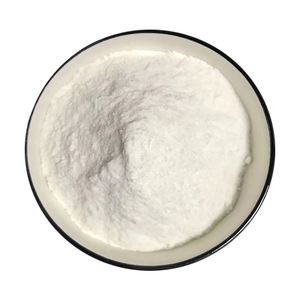
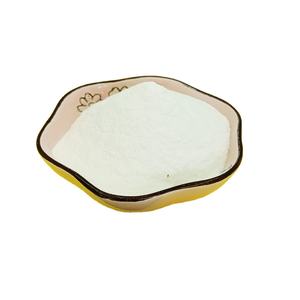
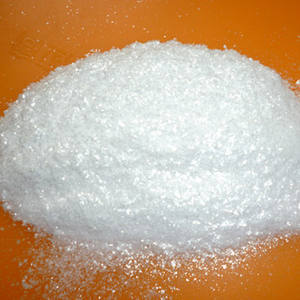
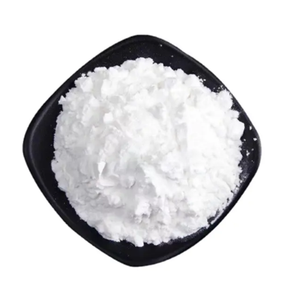
Foam Concrete Solution Foam Concrete Additives Polymer Compound Concrete Foaming Agent For CLC Blocks
PRODUCT PARAMETERS
Description
Overview of Foam Concrete Solution Foam Concrete Additives Polymer Compound Concrete Foaming Agent For CLC Blocks
Foam Concrete Solution Foam Concrete Additives Polymer Compound Concrete Foaming Agent For CLC Blocks represents the third generation of water-reducing agents following lignin and naphthalene-based types, embodying the pinnacle of modern concrete admixture technology. This product employs advanced molecular structure design and is synthesized through polymerization processes, resulting in a high-performance water-reducing agent with a comb-like molecular structure. It achieves dispersion of cement particles through a powerful steric hindrance effect, significantly enhancing concrete’s workability and construction properties. It is the preferred core material for formulating high-performance, high-strength, and high-durability concrete.
Features of Foam Concrete Solution Foam Concrete Additives Polymer Compound Concrete Foaming Agent For CLC Blocks
1. High Water-Reducing Rate: Achieves up to 40% water reduction, significantly lowering water consumption per unit volume of concrete and providing a solid foundation for producing high-strength and ultra-high-strength concrete (C60 and above).
2. Excellent Slump Retention: Unique slow-release slump retention technology effectively controls slump loss, maintaining good workability and pumpability for 1-2 hours. This meets the demands of long-distance transportation and construction during high-temperature seasons.
3. Low dosage, high efficiency: Compared to traditional water reducers, it requires lower dosage (typically 0.15%-0.3% by weight of cementitious materials) while delivering significant performance, offering superior economic and environmental benefits.
4. Superior Adaptability: Compatible with various cement brands and mineral admixtures (e.g., fly ash, mineral powder, silica fume), effectively addressing common issues like bleeding and segregation in concrete.
5. Green and Eco-Friendly: Free from harmful substances like formaldehyde and nitrites during production, harmless to humans, environmentally friendly, and compliant with green building and sustainable development requirements.
6. Significant Strength Enhancement: Achieves a 10%-15% reduction in cement usage for equivalent strength, or substantially increases concrete strength at all ages with the same cement content.
7. Enhanced Concrete Durability: Effectively lowers chloride diffusion coefficient, reduces shrinkage and creep, and markedly improves concrete impermeability, freeze-thaw resistance, and carbonation resistance, extending structural service life.

Specification of Foam Concrete Solution Foam Concrete Additives Polymer Compound Concrete Foaming Agent For CLC Blocks
Our foam concrete additives create lightweight, strong concrete mixes. You add this liquid agent to cement, sand, and water. The agent forms many stable air bubbles inside the mix. This makes the concrete much lighter than regular concrete. It also provides better insulation against heat and cold.
This product is a polymer compound. The polymer makes the foam bubbles very tough. They do not collapse easily during mixing or pouring. This ensures consistent quality in your finished blocks or panels. You get a uniform cell structure every time.
Builders use this foaming agent for CLC blocks. CLC means Cellular Lightweight Concrete. These blocks are easier to handle and install. They reduce the total weight on a building’s structure. This can lower construction costs. Workers can cut and shape the blocks easily.
The foam concrete solution improves workability. The wet mix flows smoothly into molds. It fills all spaces completely. This prevents voids or weak spots. The finished surface looks clean and even.
This additive controls the density precisely. You can adjust the amount of foam agent. This changes the final density of the cured concrete. You can make very light blocks for insulation. You can make stronger blocks for load-bearing walls. The choice is yours.
The foamed concrete cures well. It gains strength steadily. It bonds strongly with steel reinforcement. It resists fire effectively. The closed air pockets make it water-resistant too. It performs reliably in different climates.
This polymer-based foaming agent is concentrated. A little goes a long way. It saves you money. Mixing is straightforward. You just add it to water first. Then blend it into the cement slurry. The foam forms instantly.
Our solution is reliable for producing high-quality CLC. It helps create durable, efficient building materials. Builders appreciate the consistent results.
Applications of Foam Concrete Solution Foam Concrete Additives Polymer Compound Concrete Foaming Agent For CLC Blocks
Foam concrete helps builders in many ways. It’s made by mixing cement, water, and a special foaming agent. This agent creates lots of tiny bubbles inside the mix. The result is a lightweight concrete. It’s much lighter than regular concrete. Builders use it for filling spaces under floors or around pipes. This stops things from sinking later. Foam concrete is good for insulation too. It keeps heat inside buildings saving energy costs. It works well for soundproofing walls and floors.
Foam concrete additives make the material stronger. They help control how fast the foam concrete sets. Polymer compounds are often added. They improve how well the foam concrete sticks to other materials. They also make it more water-resistant. This is important for damp areas like basements. The foaming agent itself is key. A good agent makes stable, long-lasting bubbles. These bubbles give the concrete its light weight and insulating power.
CLC blocks are made using this foam concrete. CLC means Cellular Lightweight Concrete. Builders make these blocks by foaming the concrete mix. Then they pour it into moulds. The blocks cure and harden. CLC blocks are easy to handle and transport. Workers can lift them easily. They save time on construction sites. These blocks are ideal for building walls. They provide good thermal insulation. This keeps houses cooler in summer and warmer in winter. Builders use them for partition walls inside buildings. They are also used for external walls.
Foam concrete solutions are versatile. They are perfect for levelling uneven ground before building. Contractors pump foam concrete into gaps. It flows easily and fills the space completely. It hardens without needing heavy compaction. This makes the job faster. Foam concrete is used in road construction too. It fills voids under roadways preventing collapses. It supports bridge approaches. Landscapers use foam concrete for lightweight slopes and fills. It reduces pressure on the soil below. Foam concrete is fire-resistant. This adds safety to structures. It does not rot or attract pests. Builders appreciate these qualities.
Company Profile
We are the global leader in lightweight concrete and advanced engineered foam solutions. Known globally for its commitment to research, innovation, and applied expertise, we have been providing engineered foam solutions since the early 2012’s.
We can supply high-quality concrete admixture and foam concrete related products all over the world.
The company has a professional technical department and quality supervision department, a well-equipped laboratory, and equipped with advanced testing equipment and after-sales customer service center.
If you are interested, please feel free and contact us.
Payment
T/T, Western Union, Paypal, Credit Card etc.
Shipment
By air, by sea, by express, as customers request.
5 FAQs of Foam Concrete Solution Foam Concrete Additives Polymer Compound Concrete Foaming Agent For CLC Blocks
What is foam concrete?
Foam concrete is a special lightweight concrete. It gets its bubbles from a foaming agent. This creates a material full of tiny air pockets. It’s much lighter than regular concrete. People use it for insulation, filling voids, and making blocks.
How does the foaming agent work?
The foaming agent makes the bubbles. You mix it with water and air. This creates a thick, stable foam. Then you blend this foam into the cement mixture. The foam mixes throughout the cement paste. This gives foam concrete its light weight and insulating power.
Why use polymer additives?
Polymer additives make foam concrete stronger and tougher. They help the foam hold together better. This makes the final concrete more resistant to damage. It also reduces cracking. The additives help the concrete last longer.
What makes a good foaming agent?
A good foaming agent creates very stable foam. The bubbles shouldn’t pop easily. Stable foam means the air pockets stay put. This prevents the concrete from collapsing or shrinking too much. It ensures a consistent, good-quality lightweight mix. You want foam that lasts long enough for mixing and pouring.
How do I choose the right foaming agent?
Pick a foaming agent based on your project needs. Consider the density you need for your blocks. Think about the cement type you are using. Check how stable the foam is over time. Look at how easy it is to mix and handle. Good suppliers offer technical support to help you choose.