Concrete-mesa | Concrete Admixtures, Tools, and Production Machines

Concrete Repair Mortar, Chemicals and Other Repair Material
PRODUCT PARAMETERS
Description
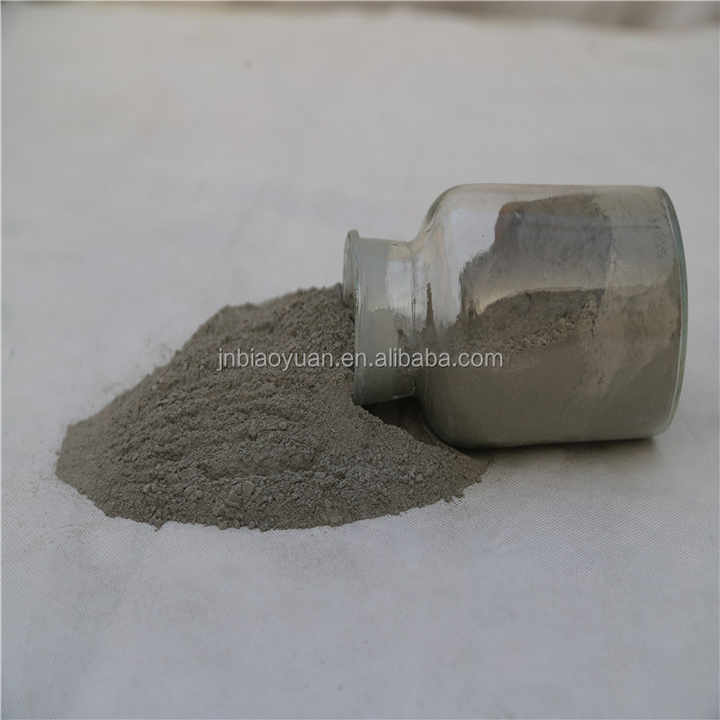
Introduction of Concrete Repair Mortar, Chemicals and Other Repair Material
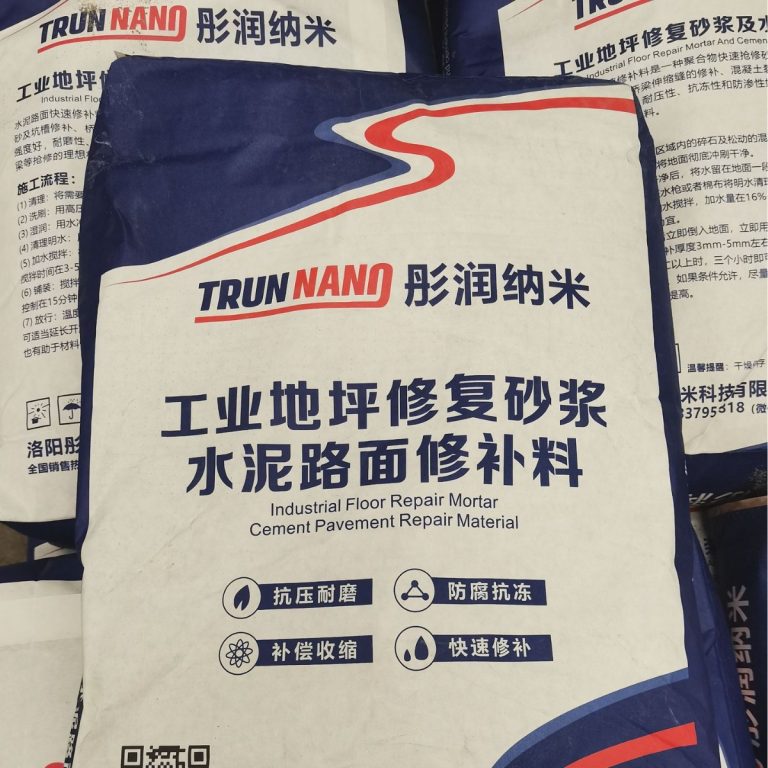
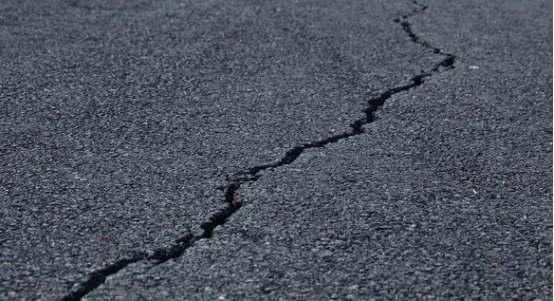
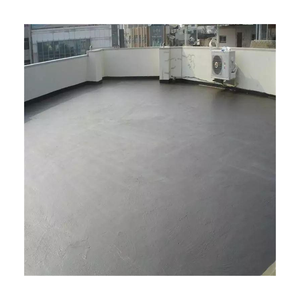
Concrete Repair Mortar, Chemicals and Other Repair Material addresses common issues like cracking, spalling, joint deterioration, and surface scaling in horizontal applications.
Features of Concrete Repair Mortar, Chemicals and Other Repair Material
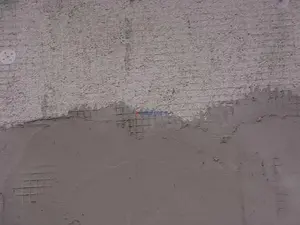
The collection includes fast-setting, flowable mortars for filling deep cavities and cracks, trowel-grade, non-shrink patching compounds for repairing spalls and vertical edges, and feather-edge toppings for resurfacing wide, shallow areas. Formulated with advanced polymers and cementitious blends, these materials are engineered for use on driveways, warehouse floors, sidewalks, and parking garages.
Whether for a quick commercial maintenance fix or a durable industrial-grade restoration, our products provide a reliable and cost-effective alternative to full-slab replacement, ensuring a smooth, safe, and long-lasting repaired surface.
Concrete Slab Repair Materials are engineered to deliver performance that far exceeds standard cement mixes, offering key advantages in durability, application, and long-term value.
Exceptional Durability and Bond Strength: The primary advantage is the creation of a permanent, high-strength repair. Our products are non-shrink and polymer-modified, ensuring they expand slightly upon setting to form a mechanical lock within the substrate. This results in an exceptional bond strength that prevents delamination and failure, even under heavy traffic and dynamic loads. The repaired area achieves high compressive and flexural strength, matching or exceeding that of the original concrete, which guarantees the repair withstands the test of time and use.
Rapid Set and Early Strength for Minimal Downtime: Time is critical in repair projects. Many of our formulations are rapid-setting, allowing foot traffic in as little as one hour and vehicle traffic often within a few hours. This fast cure time dramatically reduces downtime, enabling businesses, warehouses, and high-traffic public areas to return to service quickly, minimizing operational disruption and associated costs.
Superior Application Properties and Ease of Use: These materials are designed for user-friendly application. Their workable consistency allows for easy troweling or pouring, ensuring excellent consolidation without sagging on vertical edges or slumping in deep fills. Products can be applied in thin, feather-edge profiles or thicker sections, providing great versatility. This ease of use, combined with excellent adhesion to damp substrates and low shrinkage, reduces labor effort and ensures a consistent, high-quality finish with minimal technical skill required.

Specification of Concrete Repair Mortar, Chemicals and Other Repair Material
Concrete repair mortar fixes damaged concrete surfaces. It comes in different types. Cement-based mortar is common. You mix it with water. Apply it to cracks or holes. It sets fast. It bonds well to old concrete. This mortar handles pressure. It resists weather too. Other mortars use polymers. These give extra flexibility. They stick better sometimes. They resist chemicals better.
Bonding agents help new mortar stick to old concrete. Apply the agent first. It makes a strong connection. This prevents future separation. Use bonding agents on smooth surfaces especially.
Protective coatings seal repaired concrete. They stop water and chemicals. Coatings prevent rust in steel reinforcement. Some coatings resist oil and salt. Apply coatings after repairs cure. They extend the service life.
Special additives improve mortar performance. Anti-corrosion additives protect steel inside concrete. Use them when steel is exposed. Expansion additives control cracking. They reduce shrinkage stress. Fast-setting additives speed up work. They are good for cold weather. Frost-resistant additives prevent freeze damage. Use them in winter repairs. Non-shrink additives keep the volume stable. This avoids gaps forming.
Choose the right product for the job. Consider the damage size. Think about the environment. Check the existing concrete strength. Match the repair material properties. Follow the manufacturer instructions. Proper surface prep is key. Clean the area well. Remove loose material. Dampen the surface slightly. Apply the material correctly. Cure it as directed. This ensures a lasting repair.
Applications of Concrete Repair Mortar, Chemicals and Other Repair Material
Concrete repair mortar fixes many problems. You see cracks in concrete surfaces. Mortar fills these cracks well. It stops water from getting inside. Water inside concrete causes more damage. Mortar patches holes too. Sometimes concrete spalls, meaning chunks break off. Mortar rebuilds these damaged areas. It makes the surface smooth again.
Concrete repair chemicals are important also. They include special liquids and coatings. These chemicals protect concrete. They seal the surface against water. Water is a big enemy of concrete. Sealing keeps the concrete dry inside. Some chemicals strengthen old concrete. They penetrate deep into the material. This makes weak concrete stronger again. Other chemicals stop rust on steel inside concrete. Rust makes steel expand and crack the concrete around it. These chemicals prevent that.
Other repair materials help in different ways. Epoxy injections fix very fine cracks. They glue the crack together tightly. Epoxy bonds are very strong. Anchors and dowels hold pieces together. They are used when parts have separated. Grouts fill large empty spaces under slabs. They provide solid support underneath. Fiber reinforcement adds strength to patches. It helps the repair last longer.
Repair materials work on many structures. Buildings get damaged concrete. Mortar and chemicals fix walls and floors. Bridges need repairs often. Weather and heavy traffic wear them down. Repair materials restore bridge decks and supports. Parking garages have constant vehicle use. Repair mortars patch tire damage and salt damage. Industrial floors take heavy abuse. Repair materials withstand this tough environment. Dams and canals face water pressure constantly. Repair materials seal leaks effectively.
Good application matters a lot. The surface must be clean first. Loose concrete is removed thoroughly. The repair material bonds better this way. Mixing instructions are followed carefully. Wrong mixing causes weak repairs. Application methods vary by product. Some are troweled on, some are sprayed. Proper curing ensures a durable fix. Curing keeps the material moist as it hardens.
Company Profile
We are the global leader in lightweight concrete and advanced engineered foam solutions. Known globally for its commitment to research, innovation, and applied expertise, we have been providing engineered foam solutions since the early 2012’s.
We can supply high-quality concrete admixture and foam concrete related products all over the world.
The company has a professional technical department and quality supervision department, a well-equipped laboratory, and equipped with advanced testing equipment and after-sales customer service center.
If you are interested, please feel free and contact us.
Payment
T/T, Western Union, Paypal, Credit Card etc.
Shipment
By air, by sea, by express, as customers request.
5 FAQs of Concrete Repair Mortar, Chemicals and Other Repair Material
What is concrete repair mortar used for?
Concrete repair mortar fixes damaged concrete. It fills cracks, holes, and spalled areas on surfaces like floors, walls, and driveways. You apply it to restore the concrete’s strength and shape. It provides a smooth, level finish ready for further use or coating. Different mortars exist for various repair depths and conditions.
How do I prepare the surface before applying repair material?
Good surface prep is vital for repair success. First, remove all loose concrete, dirt, oil, and grease. Clean the area thoroughly. Cut the edges of the repair area square. Roughen the sound concrete around the repair zone. This helps the new material bond well. Ensure the surface is damp but not soaking wet before application.
How much water do I mix with the repair mortar powder?
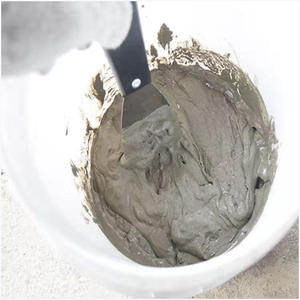
Follow the manufacturer’s instructions on the bag precisely. The correct water-to-powder ratio is crucial. Adding too much water weakens the final repair. It can cause cracking or poor adhesion. Adding too little water makes the mix hard to work with. It won’t spread or bond correctly. Measure carefully for best results.
How long does repair mortar take to cure?
Curing time depends on the specific product and conditions like temperature and humidity. Most repair mortars set quickly, allowing foot traffic in a few hours. Full strength development takes days or even weeks. Protect the repair from drying too fast. Keep it damp according to the product guidelines. This ensures strength and durability.
Can I use any repair material for all concrete damage types?
No, you cannot use just any material. Different damages need specific repair products. Small hairline cracks require low-viscosity crack injectors. Larger structural cracks need special high-strength mortars or grouts. Spalled surfaces benefit from patching mortars. Choose the product designed for your specific repair problem.