Concrete-mesa | Concrete Admixtures, Tools, and Production Machines

Pan Type Concrete Mixer Horizontal Stirrer Mixer Cement Pan Mixer
PRODUCT PARAMETERS
Description
Overview of Pan Type Concrete Mixer Horizontal Stirrer Mixer Cement Pan Mixer
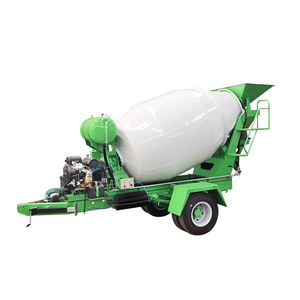
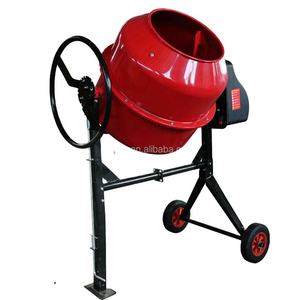
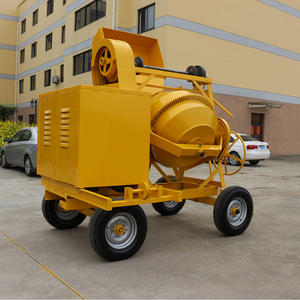
Pan Type Concrete Mixer Horizontal Stirrer Mixer Cement Pan Mixer is essential equipment for preparing concrete by thoroughly blending cement, water, and aggregates. They are widely used in construction for producing ready-mix concrete, ensuring a consistent and uniform mix every time. Available in various capacities and configurations, including drum mixers and pan mixers, concrete mixers cater to different project sizes, from small residential jobs to large commercial and industrial applications. Whether manual or powered, these mixers are designed to be user-friendly and durable, providing the right balance of speed, efficiency, and precision in mixing. With easy loading and unloading features, concrete mixers streamline the mixing process, improving worksite productivity and ensuring a consistent, high-quality concrete mixture that meets construction standards.
Characteristics of Pan Type Concrete Mixer Horizontal Stirrer Mixer Cement Pan Mixer
Efficient Mixing: Concrete mixers are designed to blend cement, aggregates, and water efficiently, ensuring uniform consistency and reducing the chances of weak or uneven concrete. This results in stronger, more durable finished concrete for various applications.
Versatile Applications: Ideal for both small-scale and large-scale projects, concrete mixers are used for residential, commercial, and industrial construction. They can mix various concrete types, including standard, high-strength, and specialized mixes.
User-Friendly Operation: Designed with ease of use in mind, concrete mixers typically feature simple controls and easy-to-handle loading/unloading mechanisms, reducing operator fatigue and improving productivity.
Durable Construction: Made from robust materials, these mixers are built to withstand the tough conditions of construction sites. They are highly durable, capable of handling large quantities of concrete over extended periods without compromising performance.
Portable and Convenient: Many concrete mixers are compact and portable, making them easy to move around the job site. This portability is especially beneficial for projects where multiple locations require mixing or for smaller jobs that don’t need large-scale equipment.
Adjustable Mixing Speed: Some models allow operators to adjust the mixing speed for different types of concrete or specific mixing requirements, ensuring the best possible results for each project.
Consistent and High-Quality Results: The primary advantage of using a concrete mixer is the consistent and high-quality mixture produced, which is essential for achieving the desired strength and durability in concrete structures.
Low Maintenance: Concrete mixers are designed for long-term use with minimal maintenance. Easy-to-access components make cleaning and routine maintenance quick and hassle-free, ensuring longevity and reliability.
Safety Features: Equipped with built-in safety features such as non-slip wheels, overload protection, and secure mixing drums, these mixers ensure safe operation for the user, reducing the risk of accidents or damage during mixing.
Cost-Effective: With their durability and efficiency, concrete mixers provide excellent value by reducing labor costs, speeding up project timelines, and minimizing waste, making them a cost-effective investment for construction professionals.

Specification of Pan Type Concrete Mixer Horizontal Stirrer Mixer Cement Pan Mixer
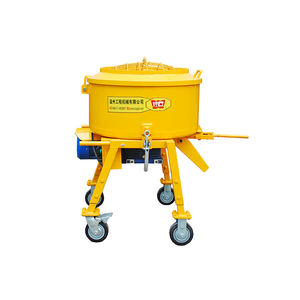
This pan mixer handles cement, sand, aggregates, water. It makes consistent concrete. The machine is simple, reliable. It works well for small batches. The mixing pan is circular, fixed. Inside, blades rotate horizontally. This action ensures thorough mixing. Materials get blended quickly. Uniform concrete results every time.
Models vary in size. Common capacities are 200L, 350L, 500L, 750L, 1000L. Choose based on your project scale. Power options exist. Electric motors are typical. Diesel engines are available for remote sites. The motor powers a gearbox. The gearbox drives the mixing blades. These blades are tough steel. They scrape the pan bottom. They lift materials effectively. This prevents buildup. Mixing time is short. Usually under two minutes per batch. Efficiency is high.
The pan itself is sturdy steel. It resists wear. A sturdy frame supports the pan. This frame provides stability. An opening exists for discharge. This outlet is often adjustable. Control the flow easily. Some models have wheels. Mobility becomes an option. Operation is straightforward. Load materials into the pan. Start the motor. The blades turn. Mixing begins. Add water gradually. Watch the consistency. Stop the machine. Open the discharge gate. Pour out the concrete. Cleanup follows use. Maintenance involves lubrication. Check parts regularly.
This mixer suits small construction sites. It works for home projects. Precast concrete makers use it. Repair jobs benefit from it. It offers value. The design minimizes waste. Performance is dependable. Durability is good. It provides a practical solution for mixing needs.
Applications of Pan Type Concrete Mixer Horizontal Stirrer Mixer Cement Pan Mixer
Pan type concrete mixers do many jobs. Builders use them for mixing concrete. They also mix mortar and plaster. These mixers work well in small construction sites. They fit in tight spaces. Factories use them too. Pan mixers mix materials evenly. This makes strong concrete. Workers save time. They get consistent results every batch.
Horizontal stirrer mixers handle tough mixing tasks. They mix materials with different textures. Think sticky mortars or dry powders. The horizontal blade moves everything well. This prevents lumps. Factories like these mixers for bulk work. They run all day without trouble. The design is simple. Maintenance is easy. This mixer does the job without fuss.
Cement pan mixers specialize in cement-based mixes. They are perfect for small batches. Think repair jobs or custom blends. The pan design ensures thorough mixing. Every grain gets coated. This is vital for cement strength. These mixers are reliable. They are affordable for smaller builders. They produce quality concrete efficiently.
Company Profile
We are the global leader in lightweight concrete and advanced engineered foam solutions. Known globally for its commitment to research, innovation, and applied expertise, we have been providing engineered foam solutions since the early 2012’s.
We can supply high-quality concrete admixture and foam concrete related products all over the world.
The company has a professional technical department and quality supervision department, a well-equipped laboratory, and equipped with advanced testing equipment and after-sales customer service center.
If you are interested, please feel free and contact us.
Payment
T/T, Western Union, Paypal, Credit Card etc.
Shipment
By air, by sea, by express, as customers request.
5 FAQs of Pan Type Concrete Mixer Horizontal Stirrer Mixer Cement Pan Mixer
This machine mixes cement, sand, water, and stones. It makes concrete. People call it a pan mixer or horizontal stirrer mixer. It has a round pan holding the materials. Blades inside spin horizontally. They stir everything together evenly. This creates strong concrete for building.
It handles different materials well. It mixes dry stuff like cement powder and sand. It adds water too. It can also mix stones or gravel into the concrete. The blades turn the materials over and over. This action blends them thoroughly. You get a consistent concrete mix every time.
Its design is simple and strong. The mixing pan is tough metal. The blades are sturdy steel. They rotate horizontally on a central shaft. A motor provides the power. Gear systems control the blade speed. The frame supports everything securely. Strong parts last longer. Easy access helps cleaning and maintenance.
Different sizes exist. Smaller mixers hold maybe 100 liters. Bigger mixers hold several thousand liters. Choose based on your project needs. Small jobs need less concrete. Large construction sites need much more. Match the mixer size to your required concrete volume.
People use these mixers widely. Construction sites use them daily. They make concrete for foundations, slabs, walls. Small builders find them useful too. Concrete product factories rely on them. They make blocks, pipes, tiles. Road building crews use them for pavement bases. It’s a common machine for concrete work.