Concrete-mesa | Concrete Admixtures, Tools, and Production Machines

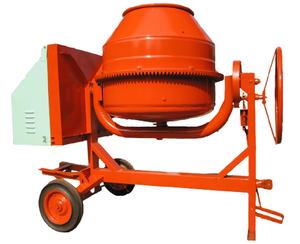
Factory 350L 400L 500L 600L 700L 800 Liter Big diesel Gasoline Petrol Electric Cement Concrete Mixer Machine
PRODUCT PARAMETERS
Description
Overview of Factory 350L 400L 500L 600L 700L 800 Liter Big diesel Gasoline Petrol Electric Cement Concrete Mixer Machine
Factory 350L 400L 500L 600L 700L 800 Liter Big diesel Gasoline Petrol Electric Cement Concrete Mixer Machine is essential equipment for preparing concrete by thoroughly blending cement, water, and aggregates. They are widely used in construction for producing ready-mix concrete, ensuring a consistent and uniform mix every time. Available in various capacities and configurations, including drum mixers and pan mixers, concrete mixers cater to different project sizes, from small residential jobs to large commercial and industrial applications. Whether manual or powered, these mixers are designed to be user-friendly and durable, providing the right balance of speed, efficiency, and precision in mixing. With easy loading and unloading features, concrete mixers streamline the mixing process, improving worksite productivity and ensuring a consistent, high-quality concrete mixture that meets construction standards.
Characteristics of Factory 350L 400L 500L 600L 700L 800 Liter Big diesel Gasoline Petrol Electric Cement Concrete Mixer Machine
Efficient Mixing: Concrete mixers are designed to blend cement, aggregates, and water efficiently, ensuring uniform consistency and reducing the chances of weak or uneven concrete. This results in stronger, more durable finished concrete for various applications.
Versatile Applications: Ideal for both small-scale and large-scale projects, concrete mixers are used for residential, commercial, and industrial construction. They can mix various concrete types, including standard, high-strength, and specialized mixes.
User-Friendly Operation: Designed with ease of use in mind, concrete mixers typically feature simple controls and easy-to-handle loading/unloading mechanisms, reducing operator fatigue and improving productivity.
Durable Construction: Made from robust materials, these mixers are built to withstand the tough conditions of construction sites. They are highly durable, capable of handling large quantities of concrete over extended periods without compromising performance.
Portable and Convenient: Many concrete mixers are compact and portable, making them easy to move around the job site. This portability is especially beneficial for projects where multiple locations require mixing or for smaller jobs that don’t need large-scale equipment.
Adjustable Mixing Speed: Some models allow operators to adjust the mixing speed for different types of concrete or specific mixing requirements, ensuring the best possible results for each project.
Consistent and High-Quality Results: The primary advantage of using a concrete mixer is the consistent and high-quality mixture produced, which is essential for achieving the desired strength and durability in concrete structures.
Low Maintenance: Concrete mixers are designed for long-term use with minimal maintenance. Easy-to-access components make cleaning and routine maintenance quick and hassle-free, ensuring longevity and reliability.
Safety Features: Equipped with built-in safety features such as non-slip wheels, overload protection, and secure mixing drums, these mixers ensure safe operation for the user, reducing the risk of accidents or damage during mixing.
Cost-Effective: With their durability and efficiency, concrete mixers provide excellent value by reducing labor costs, speeding up project timelines, and minimizing waste, making them a cost-effective investment for construction professionals.

Specification of Factory 350L 400L 500L 600L 700L 800 Liter Big diesel Gasoline Petrol Electric Cement Concrete Mixer Machine
This machine mixes cement and concrete. It comes in different sizes. You can choose 350 liters, 400 liters, 500 liters, 600 liters, 700 liters, or 800 liters. That’s how much concrete it holds. Pick the size you need.
You get power options. It runs on diesel fuel. It runs on gasoline or petrol too. Some models work with electricity. Choose the power source that fits your place.
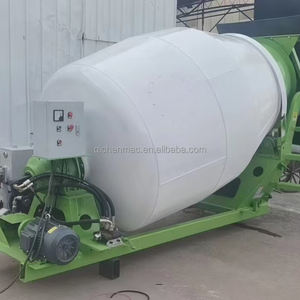
The drum turns at a good speed. This mixes the concrete well. It mixes fast. You get a good batch quickly. The drum empties easily. It tips over to pour the concrete out. The height is right. It pours into wheelbarrows or molds easily.
The drum is tough. It’s made from strong steel. The inside has blades. These blades mix the concrete hard. They stop things sticking. They make sure the mix is even. The frame is strong steel too. It holds everything solid. It lasts a long time.
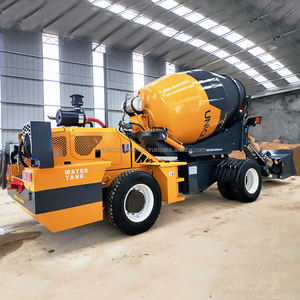
The machine has wheels. You can move it around your job site. Push it where you need it. It’s stable when working. It doesn’t shake or wobble. You get a reliable mix every time.
Applications of Factory 350L 400L 500L 600L 700L 800 Liter Big diesel Gasoline Petrol Electric Cement Concrete Mixer Machine
These big cement mixers handle tough mixing jobs. The 350L to 800L sizes are workhorses on construction sites. They mix concrete for foundations, floors, driveways, and walls. Builders rely on them daily. They also prepare mortar for bricklaying and plastering work. These machines keep large projects moving. Farmers use them too. They mix feed for livestock on bigger farms. This saves time and effort compared to smaller mixers. Industrial settings find uses for these mixers. Factories use them to blend materials for products. They might mix chemicals, fertilizers, or other industrial compounds. The large capacity handles bulk production needs. Workshops use them for special projects. They might create custom concrete products or experimental mixes. The different sizes offer choices. A 350L mixer suits medium tasks well. A 500L or 600L model handles bigger pours. The largest 700L and 800L machines tackle the biggest jobs. They pour thick slabs or long driveways in fewer batches. Power options add flexibility. Diesel models work anywhere without power. They are loud but powerful. Gasoline engines offer similar mobility. Electric versions run quieter and cleaner where power is available. Each type has its place. These mixers save labor. They mix large volumes efficiently. Workers avoid the strain of hand mixing big batches. The machines ensure consistent mixing quality too. This results in stronger concrete and better structures. Durability matters. These mixers are built tough. They handle heavy use on demanding sites. Regular maintenance keeps them running smoothly for years. They are an essential tool for professionals needing serious mixing power.
Company Profile
We are the global leader in lightweight concrete and advanced engineered foam solutions. Known globally for its commitment to research, innovation, and applied expertise, we have been providing engineered foam solutions since the early 2012’s.
We can supply high-quality concrete admixture and foam concrete related products all over the world.
The company has a professional technical department and quality supervision department, a well-equipped laboratory, and equipped with advanced testing equipment and after-sales customer service center.
If you are interested, please feel free and contact us.
Payment
T/T, Western Union, Paypal, Credit Card etc.
Shipment
By air, by sea, by express, as customers request.
5 FAQs of Factory 350L 400L 500L 600L 700L 800 Liter Big diesel Gasoline Petrol Electric Cement Concrete Mixer Machine
FAQ 1: What size mixer do I need?
Choose the barrel size based on your project’s concrete needs. The 350L to 800L range suits different jobs. Smaller mixers like 350L or 400L are good for home use or small repairs. Larger mixers like 500L, 600L, 700L, or 800L handle bigger jobs like foundations or driveways. Think about how much concrete you mix at once. Get the size that matches your typical batch volume.
FAQ 2: Diesel, gasoline, or electric – which is best?
Your choice depends on your work site and needs. Diesel and gasoline engines offer strong power. They are good for remote areas without electricity. Electric motors run quieter. They make less exhaust. Electric is better indoors or where noise matters. Diesel often gives the most raw power for heavy mixing.
FAQ 3: How well does it mix the concrete?
These mixers blend concrete thoroughly. The blades inside the rotating drum move the material constantly. This action mixes cement, sand, gravel, and water evenly. You get a uniform concrete batch every time. Good mixing is vital for strong concrete structures.
FAQ 4: Are these mixers tough enough for daily work?
Yes, these are built for hard use. They use thick steel plates for the drum and frame. The gearbox and bearings are heavy-duty parts. This construction handles tough mixing jobs day after day. It withstands the vibration and load of concrete mixing.
FAQ 5: Is it expensive to run?
Running costs vary by power type. Diesel and gasoline mixers need fuel. Fuel costs change with prices. Electric mixers use site power. Electricity might be cheaper than fuel sometimes. Consider your local fuel and power costs. Think about how often you use the mixer.