Concrete4U | Concrete Admixtures, Tools, and Production Machines

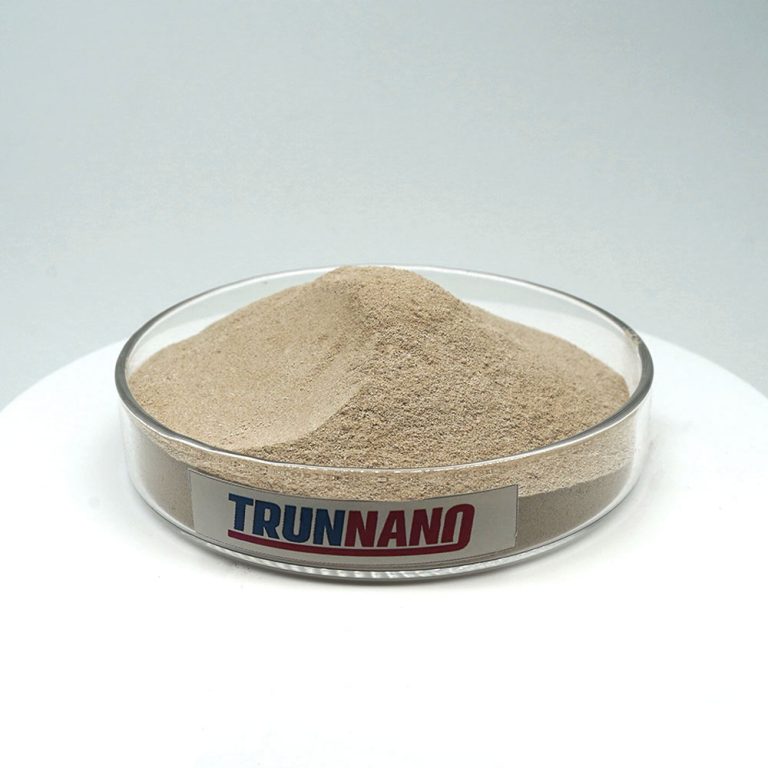
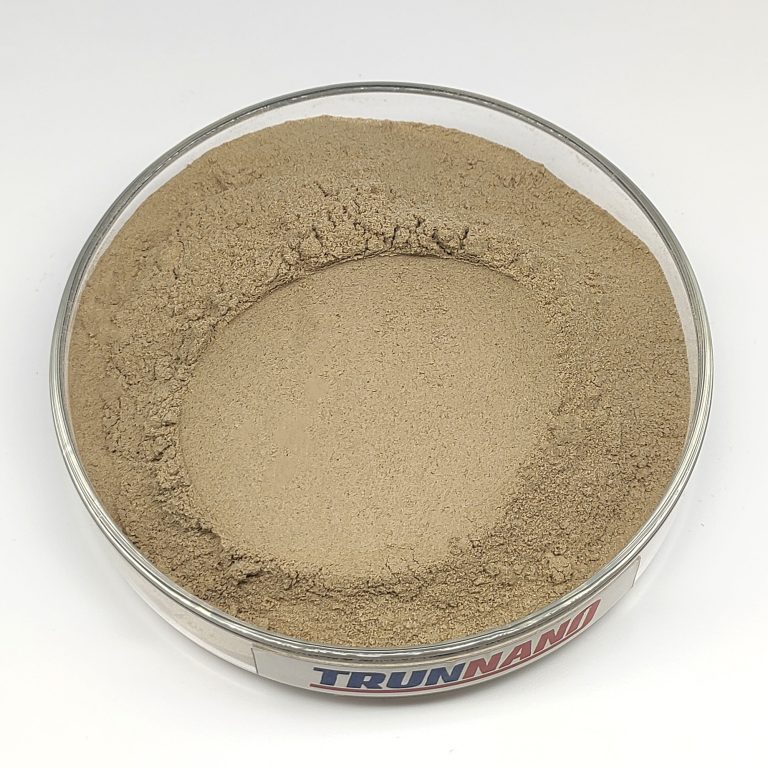
Construction grade concrete additive PP fiber PET Fiber
PRODUCT PARAMETERS
Description
Overview of Construction grade concrete additive PP fiber PET Fiber
Construction grade concrete additive PP fiber PET Fiber is chemical compounds added to concrete mixtures to improve various properties of the material, such as workability, strength, durability, and curing time. These additives include plasticizers, retarders, accelerators, waterproofing agents, and air-entraining agents, each designed to meet specific needs in concrete production. Concrete additives are commonly used in both commercial and residential construction, as well as in the production of precast and ready-mix concrete. By enhancing the performance and quality of concrete, these additives help improve the overall efficiency of construction projects while ensuring the durability and longevity of the finished structure. They are easy to incorporate into the mix and provide cost-effective solutions for optimizing concrete properties in a wide range of applications.
Characteristics of Construction grade concrete additive PP fiber PET Fiber
Enhanced Strength: Concrete additives can significantly increase the compressive strength of concrete, making it more resilient to pressure and stress. This ensures the longevity and durability of structures, reducing the likelihood of cracking or failure.
Improved Workability: Additives such as plasticizers and superplasticizers improve the flowability and consistency of concrete, making it easier to handle, pour, and finish. This enhances productivity on the construction site and reduces labor costs.
Faster Curing: Accelerators, a type of concrete additive, help speed up the curing process, allowing for quicker setting times and faster completion of projects. This is especially useful in cold weather or when fast-tracking construction timelines.
Increased Durability: Many additives, like water-reducing agents and waterproofing compounds, increase the resistance of concrete to harsh environmental conditions such as freeze-thaw cycles, water ingress, and chemical exposure, ensuring long-term performance.
Better Adhesion and Bonding: Certain additives improve the bonding between the concrete and other materials, such as reinforcing steel or aggregates, enhancing the overall structural integrity and reducing the chances of delamination or separation.
Versatility for Various Applications: Concrete additives are highly versatile and can be used in a wide range of applications, from residential buildings to large-scale infrastructure projects. They are formulated to meet specific needs such as high-strength concrete, self-compacting concrete, or durable concrete for extreme conditions.
Cost-Efficient: By improving the quality and performance of concrete, additives reduce the need for additional maintenance and repairs, leading to significant cost savings in the long term. Additionally, they help optimize the mix design, reducing material waste.
Environmentally Friendly: Many modern concrete additives are formulated with eco-friendly ingredients, contributing to more sustainable construction practices. These additives help minimize the carbon footprint and improve the environmental performance of the concrete.
Enhanced Surface Finish: Additives like air-entraining agents can improve the finish and appearance of concrete by preventing defects like cracking, honeycombing, or surface dusting, ensuring a smooth, professional-grade surface.

Specification of Construction grade concrete additive PP fiber PET Fiber
Our PP and PET fibers strengthen concrete mixes. These synthetic fibers mix directly into the concrete batch. They disperse throughout the mixture evenly. This creates a fine reinforcement network within the concrete structure. The fibers help hold the material together. This reduces cracking significantly. Cracks happen from shrinkage as concrete dries. Cracks happen from stress loads during use. Fibers bridge these cracks effectively. They stop cracks from growing large. This improves the concrete’s durability long-term. Fiber-reinforced concrete handles impact better. It resists surface wear and tear better too. This means less maintenance later. PP fibers resist chemicals well. PET fibers offer even higher strength. Both types are non-corrosive. This is a big advantage over steel reinforcement. Steel can rust and cause spalling. Fibers do not rust. They pose no corrosion risk. Using fibers saves time on some jobs. You might skip welded wire mesh placement. Mesh placement takes labor hours. Fibers mix in during batching. This speeds up the whole process. Fibers work well in slabs and pavements. They work well in precast elements too. They improve concrete performance reliably. Add the fibers at the plant or on-site. Follow the manufacturer’s dosage rates. Typical amounts range from 0.5 to 1.5 pounds per cubic yard. Mixing requires no special equipment. Standard concrete mixers work fine. The fibers blend in quickly. They do not clump if added correctly. The result is tougher concrete. It lasts longer under tough conditions. This makes PP and PET fibers a smart choice for construction.
Applications of Construction grade concrete additive PP fiber PET Fiber
PP fiber and PET fiber additives improve construction concrete. These fibers help concrete resist cracking. They make concrete stronger overall. Concrete can crack during curing. Fibers hold the material together. This reduces cracking significantly. Shrinkage cracks are a common problem. Fibers minimize these cracks effectively. Adding fibers boosts concrete toughness. Tougher concrete handles impact better. It also lasts longer.
Industrial floors benefit greatly from fiber-reinforced concrete. Forklifts and heavy machines cause damage. Fibers help the floor resist this wear. Concrete pavements use these fibers too. Roads and airport runways face heavy traffic. Fibers reduce cracking under constant load. They improve the pavement’s lifespan. Precast concrete elements gain strength from fibers. Wall panels and pipes need durability. Fibers provide internal reinforcement.
Shotcrete applications rely on fiber additives. Sprayed concrete needs immediate cohesion. Fibers help the mix stick to surfaces. This is vital for tunnel linings. Slope stabilization projects use shotcrete. Fibers prevent material from falling off. Fiber-reinforced concrete handles freeze-thaw cycles better. Water expands when it freezes. This expansion causes damage. Fibers reduce the risk of surface scaling. Concrete durability improves in cold climates.
These fibers work with different concrete mixes. They mix in easily during batching. The fibers disperse uniformly. This ensures consistent performance. Contractors appreciate this simplicity. No special equipment is needed. Fiber dosage depends on the project. Specific needs determine the fiber amount. Engineers provide exact specifications. PP fiber and PET fiber offer cost-effective reinforcement. They reduce reliance on heavy steel mesh in slabs. This saves time and labor costs. The concrete remains easier to place and finish. Fiber-reinforced concrete provides reliable performance.
Company Profile
We are the global leader in lightweight concrete and advanced engineered foam solutions. Known globally for its commitment to research, innovation, and applied expertise, we have been providing engineered foam solutions since the early 2012’s.
We can supply high-quality concrete admixture and foam concrete related products all over the world.
The company has a professional technical department and quality supervision department, a well-equipped laboratory, and equipped with advanced testing equipment and after-sales customer service center.
If you are interested, please feel free and contact us.
Payment
T/T, Western Union, Paypal, Credit Card etc.
Shipment
By air, by sea, by express, as customers request.
5 FAQs of Construction grade concrete additive PP fiber PET Fiber
Here are five common questions about construction grade concrete additive PP fiber and PET fiber. These fibers are tiny plastic strands mixed into concrete. They help stop cracks from forming in the concrete as it dries and hardens. The fibers are made from polypropylene or polyester plastic.
What are PP and PET fibers for concrete? They are small plastic fibers you add to concrete mix. Their job is to control cracking. They hold the concrete together better while it sets. This makes the concrete stronger and more durable.
Why use PP or PET fiber in concrete? Adding these fibers reduces cracking significantly. Concrete often cracks from shrinkage as it cures. The fibers help stop those cracks from starting and spreading. This makes the concrete last longer and look better.
Where are these fibers typically used? They are used in many concrete projects. Common places are industrial floors, warehouse slabs, pavements, and foundations. They are also good for precast concrete parts and shotcrete applications. They work well indoors and outdoors.
How much fiber is added to the concrete? The amount needed depends on the project. Usually, it’s about 1 to 3 pounds of fiber for every cubic yard of concrete. Always follow the specific recommendations from the fiber supplier. Too little won’t work well; too much can cause problems.
What are the main advantages? The biggest plus is better crack control. This means less repair work later. The concrete surface also finishes smoother. Using fiber can sometimes mean you don’t need as much steel reinforcement. It improves the concrete’s toughness.