Concrete4U | Concrete Admixtures, Tools, and Production Machines

Fluid Concrete Cement Foaming Agent for Block
PRODUCT PARAMETERS
Description
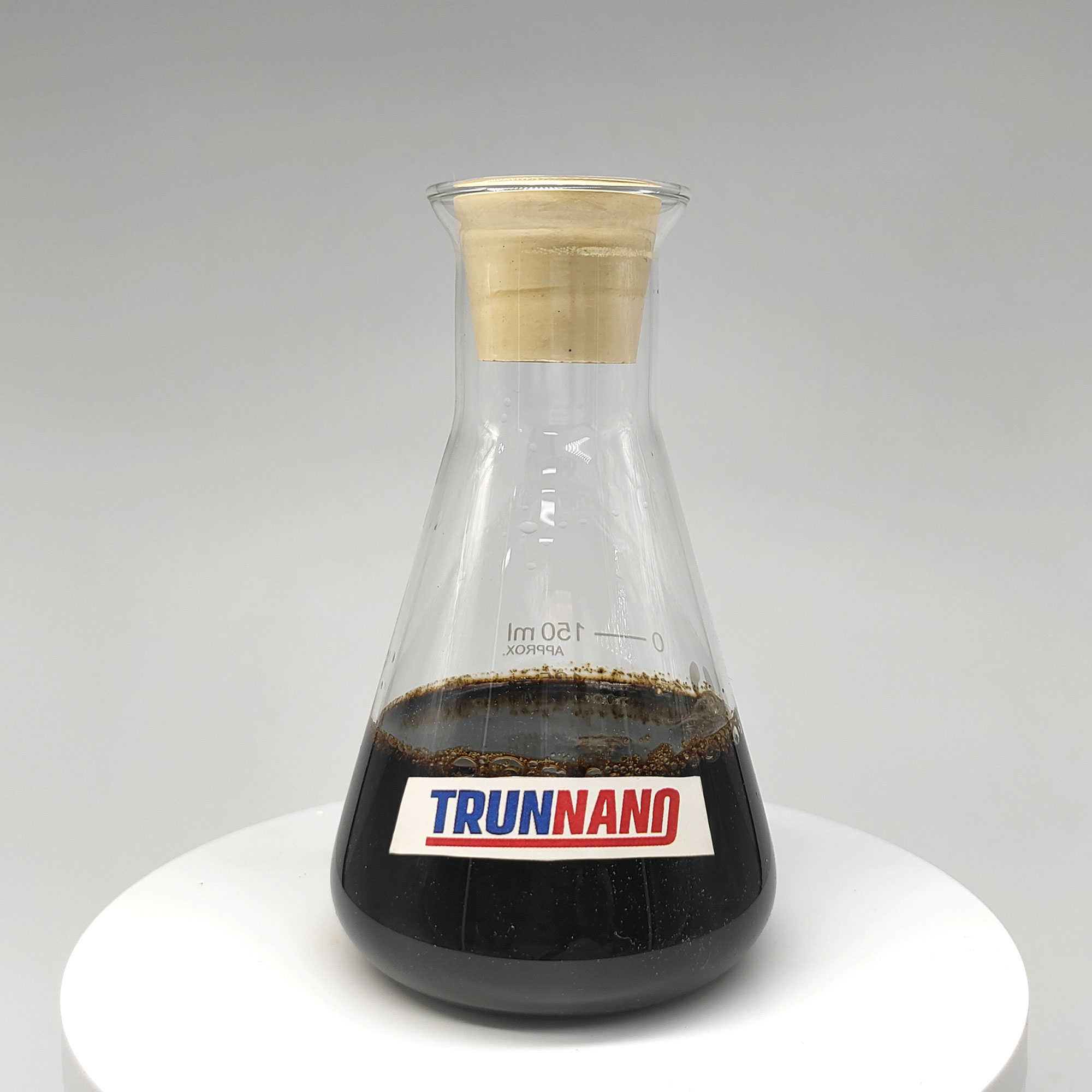
Overview of Fluid Concrete Cement Foaming Agent for Block
Fluid Concrete Cement Foaming Agent for Block is a surfactant that generates large quantities of uniform, stable foam through physical or chemical means. When this foam is thoroughly mixed with cement-based slurry (cement, fly ash, etc.) and cured naturally or with steam, it forms a novel lightweight material—foam concrete—internally filled with numerous closed air cells.
Features of Fluid Concrete Cement Foaming Agent for Block
1. High Foam Multiplication Ratio: High foam multiplication ratio allows for dilution before use. One kilogram of concentrate generates a large volume of uniform foam, delivering significant cost savings.
2. Strong Foam Stability: Produces resilient, uniformly fine foam walls that resist collapse or breakage. Effectively withstands pressure from cement slurry, ensuring independent and sealed air cells within the finished product.
3. Uniform and Fine Pore Structure: The foam concrete exhibits an ideal internal structure of closed spherical micro-pores, guaranteeing superior physical properties.
4. Low Material Consumption: Achieves equivalent density and strength grades with lower dosage than standard market products, reducing costs.
5. Eco-friendly and safe: Neutral formulation, non-toxic, odorless, and non-corrosive, posing no harm to the environment or human health. Classified as a green building material.
6. Wide adaptability: Excellent compatibility with various cements (including ordinary Portland cement and aluminate cement) and admixtures. Rapid foaming action with extended foam stability.

Specifications of Fluid Concrete Cement Foaming Agent for Block
This frothing agent makes light cinder block. It develops steady foam bubbles in cement blends. You add it to water and concrete. The foam minimizes the concrete’s weight. This makes light-weight cellular cinder block. The blocks are easier to handle. They additionally supply better insulation.
The agent controls the final block thickness. You change the foam total up to change thickness. Greater foam quantity implies lighter blocks. Lower foam quantity indicates denser blocks. This flexibility is important. It allows blocks for different uses. Some need toughness, others require insulation.
The bubbles need to stay secure. Good foam stability avoids collapse. Breaking down foam ruins the blend. It causes weak blocks. Our representative ensures solid, long lasting foam. The foam holds its shape throughout blending. It holds its form throughout putting. It holds its shape until the concrete collections.
Key specifications matter. The agent has a specific focus. It is typically a fluid concentrate. You dilute it with water before use. Regular dilution ratios are important. Common proportions are 1:30 or 1:40. This suggests one part representative to thirty or forty parts water. The diluted remedy after that makes the foam. The foam volume produced is crucial. One litre of solution can make several liters of foam. This affects just how much concrete you get.
Blending is simple. You include the agent to water initially. After that you generate foam utilizing a foam generator. Next, you mix this foam into the concrete slurry. The slurry has to be fluid enough. It has to mix efficiently with the foam. Correct blending develops an uniform bubble framework. This makes certain consistent block top quality.
The finished blocks have great residential properties. They are lightweight. They offer thermal insulation. They provide audio insulation. They are likewise fire resistant. Using this agent streamlines production. It assists create reliable, premium building products. Adhere to the recommended dose directions meticulously. This assures the very best results.
Applications of Fluid Concrete Cement Foaming Agent for Block
Fluid concrete cement foaming agents make foam concrete obstructs. This agent creates lots of small air bubbles inside the concrete mix. These bubbles stay stable throughout blending and putting. Foam makes the concrete lighter. It decreases the general weight of the blocks significantly.
Lighter blocks are simpler to take care of. Employees can raise and position them much faster. This accelerates building jobs. Transport costs drop also. Trucks carry more light-weight blocks per trip. It conserves cash moving materials to the job website.
These blocks provide great thermal insulation. The caught air pockets withstand heat flow. Structures made with foam concrete obstructs remain warmer in wintertime. They stay cooler in summertime. This reduces energy bills. Individuals spend much less on cooling and heating.
Audio insulation improves also. The air bubbles help block sound. Walls built with these blocks decrease sound transmission. Areas are quieter. This serves for homes, workplaces, and manufacturing facilities.
Foam cinder block are strong sufficient for several usages. They function well for inner dividers walls. Home builders utilize them for exterior wall infill panels. They are good for non-load bearing structures. The blocks are long lasting and fire resistant. They hold up well over time.
Company Profile
We are the global leader in lightweight concrete and advanced engineered foam solutions. Known globally for its commitment to research, innovation, and applied expertise, we have been providing engineered foam solutions since the early 2012’s.
We can supply high-quality concrete admixture and foam concrete related products all over the world.
The company has a professional technical department and quality supervision department, a well-equipped laboratory, and equipped with advanced testing equipment and after-sales customer service center.
If you are interested, please feel free and contact us.
Payment
T/T, Western Union, Paypal, Credit Card etc.
Shipment
By air, by sea, by express, as customers request.
5 FAQs of Fluid Concrete Cement Foaming Agent for Block
What is this foaming agent?
This liquid helps make lightweight concrete blocks. You mix it with cement and water. It creates many tiny air bubbles in the mix. This makes the concrete lighter. The blocks are easier to handle.
How does it make foam?
You add the agent to water first. Then you use a special machine. This machine pumps air into the mixture. It makes lots of foam. You add this foam to your cement mix. The foam creates bubbles inside the concrete.
Why use this foaming agent?
It makes blocks much lighter. Heavy blocks are hard to move. Light blocks save time and effort. The air bubbles also help with insulation. Blocks keep heat or cold out better. This is good for buildings.
How much agent do I need?
The amount depends on your mix. You want a certain density. More agent means more bubbles. More bubbles mean lighter blocks. Test small batches first. Find the right amount for your needs. Follow the supplier’s advice.
How do I mix it correctly?
First, prepare your cement paste. Mix cement, sand, and water well. Separately, make the foam using the agent. Slowly add the foam to the cement paste. Mix gently. Don’t break the bubbles. Pour the mix into molds quickly. Let it cure properly.