Concrete-mesa | Concrete Admixtures, Tools, and Production Machines

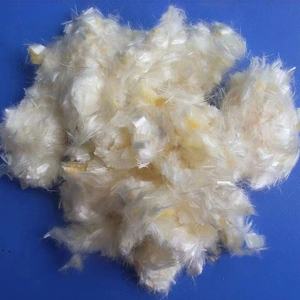
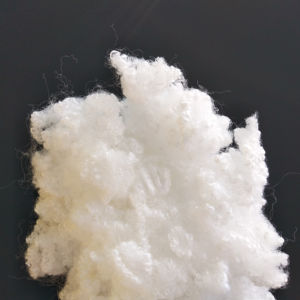
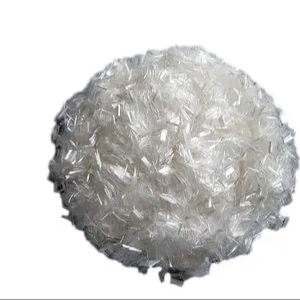
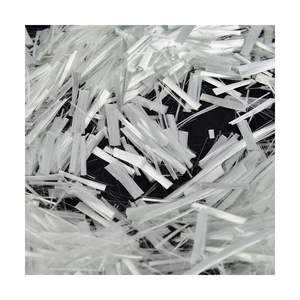
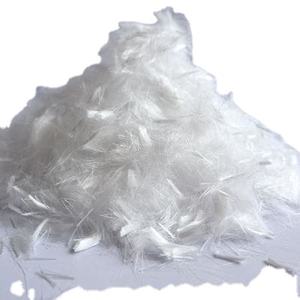
Polypropylene Twisted Bundle PP Macro Fiber for Concrete
PRODUCT PARAMETERS
Description
Overview of Polypropylene Twisted Bundle PP Macro Fiber for Concrete
For high-impact resistance, we offer Steel Fibers, an ideal replacement for welded wire mesh in industrial floors and pre-cast elements. We also provide specialized Structural Synthetic Fibers that offer high tensile strength for demanding applications. These fibers are uniformly dispersed throughout the concrete mix, creating a multi-dimensional reinforcement network that traditional methods cannot achieve. This integrated approach simplifies construction, accelerates placement, and enhances the overall integrity and longevity of the concrete, providing a modern answer to age-old cracking and durability challenges.
Features of Polypropylene Twisted Bundle PP Macro Fiber for Concrete
1. Superior Crack Control and Enhanced Durability:
The primary feature of our fibers is their ability to bridge both micro-cracks that form during the plastic state and larger cracks in hardened concrete. This three-dimensional dispersion creates a more cohesive matrix that resists crack propagation. The direct benefit is a significant reduction in both plastic shrinkage cracking and long-term crack width. This leads to a much more durable concrete with lower permeability, which in turn enhances resistance to water ingress, freeze-thaw damage, and corrosion of any embedded steel. The result is a structure with a longer service life and reduced maintenance costs.
2. Increased Impact and Abrasion Resistance:
Fibers, particularly steel and robust synthetic macro fibers, dramatically improve the concrete’s toughness and post-crack performance. They absorb and distribute energy upon impact or loading. This feature provides the benefit of a more resilient surface that is less prone to spalling, chipping, and abrasion under heavy traffic or mechanical wear. This is a critical advantage for industrial floors, warehouse pavements, and infrastructure projects, leading to a harder-wearing surface that maintains its integrity over time.
3. Construction Efficiency and Cost Savings:
A key feature of using fiber reinforcement is the elimination of welded wire mesh (WWF) in many applications. This provides immense on-site benefits: it simplifies placement, as there is no mesh to be set up or potentially displaced, and it accelerates the entire construction process. By removing a labor-intensive step, projects see reduced labor costs and faster project timelines. The uniform distribution of fibers also ensures consistent reinforcement throughout the entire concrete section, unlike mesh, which can be improperly placed, leading to more reliable and predictable performance.

Specifications of Polypropylene Twisted Bundle PP Macro Fiber for Concrete
Polypropylene Twisted Bundle PP Macro Fiber boosts concrete strength. It stops cracks. It makes concrete last longer. This fiber is built for tough jobs. It handles heavy use and tough weather.
The fiber uses strong polypropylene. Polypropylene resists chemicals. It fights off alkalis, acids, and salts. This means the fiber works well in harsh places. It won’t rust like steel. It keeps working for a long time.
The fibers are thick. They are also long. Common sizes are 45 or 60 millimeters long. The fiber diameter is around 0.9 to 1.2 millimeters. The thick shape grips the concrete tightly. This grip holds cracks closed. It stops cracks from getting wider.
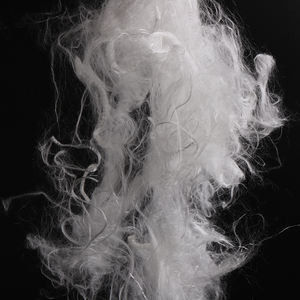
This fiber has good pull strength. It stretches a little before breaking. This stretch absorbs energy. It helps control cracking under load. The fibers are twisted together. The twist helps them spread out evenly in the mix. It prevents clumping.
You add this fiber to the concrete mix. The amount used depends on the project. Typical amounts are 3 to 9 kilograms per cubic meter of concrete. Adding more fiber gives more crack control. The fibers mix in well. They don’t cause problems with pumping or finishing. They are safe to handle.
Using this fiber brings real benefits. It reduces early shrinkage cracks. It controls plastic settlement cracks. It improves impact resistance. It helps stop surface spalling. It increases overall toughness. It offers an alternative to steel mesh in slabs. It simplifies the construction process. It lowers labor costs. It provides reliable long-term performance.
Applications of Polypropylene Twisted Bundle PP Macro Fiber for Concrete
Polypropylene twisted bundle PP macro fiber strengthens concrete. It fights cracks. Concrete cracks as it dries and shrinks. This fiber helps stop that. It holds the concrete together better. The fibers spread throughout the mix. They form a network inside the concrete. This network bridges small cracks. It stops cracks from growing big. This makes the concrete tougher. It handles impact better too. Things hitting the surface cause less damage. The fibers absorb some of the shock. Concrete surfaces often suffer from abrasion. Forklifts or heavy traffic wear them down. Adding these fibers reduces surface wear. The surface lasts longer. This saves money on repairs. It cuts down on maintenance time. These fibers improve durability. They help concrete resist freeze-thaw cycles. Water expands when it freezes. This can break concrete from inside. The fibers help control this damage. They are good for slabs on ground. Industrial floors see heavy loads. Warehouse floors need this strength. Pavements and sidewalks benefit too. Driveways hold up better. The fibers reduce joint spacing needs. Fewer control joints mean less cutting. It means less weak points. Contractors like that. It speeds up the job. Precast concrete elements use these fibers. Precast panels and pipes get extra toughness. They resist handling damage. Tilt-up construction uses them. The walls resist cracking during lifting. Shotcrete applications find them useful. The sprayed concrete holds together well. It sticks to vertical surfaces better. The fiber stops rebound loss. Less material bounces off. This fiber is corrosion-proof. Steel rusts in concrete. This plastic fiber doesn’t rust. It stays strong for the life of the concrete. It works well with other reinforcements. You can use it with rebar or welded wire mesh. It adds extra protection. It improves the overall performance. It gives concrete a boost.
Company Profile
We are the global leader in lightweight concrete and advanced engineered foam solutions. Known globally for its commitment to research, innovation, and applied expertise, we have been providing engineered foam solutions since the early 2012’s.
We can supply high-quality concrete admixture and foam concrete related products all over the world.
The company has a professional technical department and quality supervision department, a well-equipped laboratory, and equipped with advanced testing equipment and after-sales customer service center.
If you are interested, please feel free and contact us.
Payment
T/T, Western Union, Paypal, Credit Card etc.
Shipment
By air, by sea, by express, as customers request.
5 FAQs of Polypropylene Twisted Bundle PP Macro Fiber for Concrete
What is Polypropylene Twisted Bundle PP Macro Fiber?
It’s a special fiber added to concrete. It’s made from polypropylene plastic. The fibers are bundled and twisted together. This makes them strong. They are larger than microfibers. They help control cracking in concrete slabs. They improve durability.
Why use this instead of welded wire mesh?
These fibers are easier to handle. You just mix them into the concrete. No need to place wire mesh panels. They spread throughout the mix. This gives support everywhere. It saves labor time and cost. It also reduces the risk of injuries from sharp wire edges. The fibers work well with the mesh too. You can use both for extra strength.
How much fiber do I add to the concrete?
The amount depends on the project. Check the supplier’s recommendations. Usually, you add 3 to 9 pounds per cubic yard of concrete. Higher amounts give more crack control. They are good for tough jobs. Follow the project specifications closely. Measure accurately for the best results.
How do I mix the fibers into the concrete?
Add the fibers during the batching process. Dump them into the mixer with the other materials. Mix the concrete normally. The fibers disperse evenly. They won’t ball up. The mixing time is standard. No extra mixing is needed. The fibers blend well with the sand, stone, cement, and water.
Does the fiber affect concrete curing?
No, it doesn’t change the curing process. You cure the concrete the same way. Keep it moist. Prevent it from drying too fast. The fibers help reduce early shrinkage cracks. They don’t interfere with hydration. The concrete gains strength normally.