Concrete-mesa | Concrete Admixtures, Tools, and Production Machines

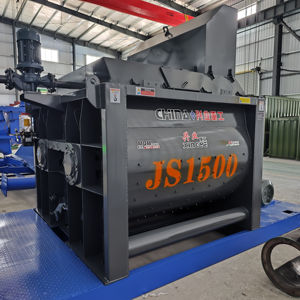
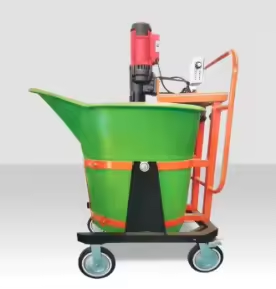
Pouring thermal insulation roof equipment foam concrete machine
PRODUCT PARAMETERS
Description
Overview of Pouring thermal insulation roof equipment foam concrete machine
Pouring thermal insulation roof equipment foam concrete machine is essential tools for surface preparation in construction and renovation projects. They are used to smooth, level, and polish concrete floors by removing imperfections, stains, adhesives, and coatings. With varying sizes and configurations, they cater to different grinding needs, whether for light-duty residential tasks or heavy-duty industrial applications. Equipped with multiple grinding attachments, dust control systems, and adjustable settings, concrete grinders provide a versatile and effective solution for achieving high-quality, durable floor finishes. Available in both manual and electric models, these grinders are designed to deliver superior results, reducing time and labor costs while ensuring the safety and cleanliness of the worksite.
Characteristics of Pouring thermal insulation roof equipment foam concrete machine
Efficient Grinding Performance: Concrete grinders are designed for high-speed, efficient grinding and polishing of concrete surfaces, allowing for faster completion of projects while maintaining high-quality finishes.
Versatile Applications: Whether you’re preparing surfaces for new flooring, polishing existing concrete, or removing coatings like epoxy and adhesives, these grinders can handle it all. They are suitable for both residential and commercial use.
Dust-Free Operation: Many concrete grinders come with built-in dust collection systems that capture dust during operation, ensuring a cleaner and safer work environment by reducing airborne particles.
Adjustable Grinding Settings: With customizable settings, operators can adjust the grinder to suit specific surface conditions and desired outcomes, ensuring precision in depth control and uniformity.
Multiple Grinding Attachments: Concrete grinders often feature interchangeable diamond and abrasive discs, providing flexibility to tackle different types of surface work, such as light grinding, heavy grinding, or polishing.
Ergonomic Design: Designed with user comfort in mind, these grinders are equipped with ergonomic handles and adjustable heights, reducing operator fatigue and making it easier to handle during extended use.
Durability and Reliability: Constructed from high-quality, durable materials, concrete grinders are built to withstand the rigors of industrial use, offering long-lasting performance with minimal maintenance.
Compact and Portable: Many models are compact and lightweight, making them easy to transport and maneuver around job sites, even in tight spaces or for small-scale projects.
Safety Features: To ensure safe operation, these grinders include essential safety features such as overload protection, automatic shut-off, and sturdy, non-slip handles, reducing the risk of accidents.
Cost-Effective: With low maintenance requirements and long service life, concrete grinders offer an excellent return on investment, making them a cost-effective solution for contractors and flooring professionals.

Specification of Pouring thermal insulation roof equipment foam concrete machine
This machine pours foam concrete for roofs. It insulates well. Foam concrete is lightweight. It protects against heat loss. It saves energy. It keeps buildings warm in winter. It keeps buildings cool in summer. The machine makes pouring easy. It controls the flow. It ensures an even layer. It prevents weak spots. It avoids gaps. It covers the whole roof surface. The equipment is strong. It handles tough jobs. It works on big roofs. It works on complicated roofs. The machine mixes cement, water, and foam agent. It creates the foam concrete mixture. The foam gives insulation. The cement gives strength. The mixture is stable. It doesn’t collapse. It stays in place. The machine pours accurately. Operators adjust the thickness. They adjust the density. They meet project needs. Different roofs need different insulation levels. The machine delivers consistent results. It is reliable. It reduces labor. Workers operate it safely. They pour large areas fast. The pump system is efficient. It pushes the mixture smoothly. It reaches all roof parts. The machine is durable. It lasts long. It handles constant use. Maintenance is simple. Parts are easy to replace. This equipment improves roof insulation projects. It is a practical choice.
Applications of Pouring thermal insulation roof equipment foam concrete machine
This machine makes foam concrete. Builders use it for roof insulation. Pouring foam concrete creates a thick, insulating layer. This layer sits directly on the roof surface. It seals gaps and prevents heat loss. It keeps buildings warm in winter and cool in summer. This saves energy. It lowers heating and cooling costs.
Foam concrete is lightweight. It doesn’t put heavy stress on the roof structure. Older buildings benefit from this. Their roofs might not handle heavy materials. This foam concrete machine is efficient. It mixes and pours the material quickly. Crews cover large roof areas fast. This speeds up the job. It reduces labor time and cost.
The insulation layer is seamless. It doesn’t have joints or gaps. Heat cannot escape through cracks. This makes it very effective. The foam concrete also resists fire. It improves the building’s fire safety. It protects the roof structure.
Builders also use this machine for floors and walls. It fills hollow spaces in walls. This adds insulation and strength. It levels uneven floors effectively. The foam concrete flows into low spots. It creates a smooth, flat surface.
This machine is useful for soundproofing too. The foam concrete absorbs sound. It reduces noise between rooms or floors. It makes buildings quieter places.
Using this machine is safer. Crews pour the foam concrete from the machine hose. They don’t carry heavy materials up ladders. This reduces the risk of falls and injuries. It’s a better way to insulate roofs.
Company Profile
We are the global leader in lightweight concrete and advanced engineered foam solutions. Known globally for its commitment to research, innovation, and applied expertise, we have been providing engineered foam solutions since the early 2012’s.
We can supply high-quality concrete admixture and foam concrete related products all over the world.
The company has a professional technical department and quality supervision department, a well-equipped laboratory, and equipped with advanced testing equipment and after-sales customer service center.
If you are interested, please feel free and contact us.
Payment
T/T, Western Union, Paypal, Credit Card etc.
Shipment
By air, by sea, by express, as customers request.
5 FAQs of Pouring thermal insulation roof equipment foam concrete machine
What is a foam concrete machine for roofs?
This machine makes foam concrete. It mixes cement, water, foam agent, and sometimes other materials. The machine pumps the foam concrete onto roofs. The foam concrete is lightweight and insulating.
How does the foam concrete machine work?
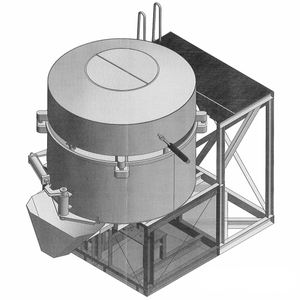
The machine has tanks for water and cement. It has a system for making foam. The machine mixes everything together. It creates a liquid foam concrete mixture. A pump pushes this mixture through a hose. Workers direct the hose onto the roof surface. The foam concrete flows and sets into a solid insulating layer.
Why use foam concrete on roofs?
Foam concrete is very light. It doesn’t add heavy weight to the roof structure. It provides excellent thermal insulation. This insulation keeps buildings warmer in winter and cooler in summer. It saves energy costs. Foam concrete also fills gaps and uneven areas well. It creates a smooth, level surface.
Where is this foam concrete used?
It’s mainly used for flat or slightly sloped roofs. It works well on new construction roofs. It’s also good for renovating old roofs. The foam layer goes under waterproofing membranes. It creates a strong, insulating base layer. It’s suitable for industrial buildings, warehouses, and large residential roofs.
Is the machine hard to operate?
Modern machines are designed for efficiency. Operators need basic training. They learn how to mix the materials correctly. They learn how to control the pump and hose. Setup takes some time. The actual pouring process is fairly fast. Routine cleaning and maintenance keep the machine reliable. Follow the manufacturer’s instructions carefully.