Concrete4U | Concrete Admixtures, Tools, and Production Machines

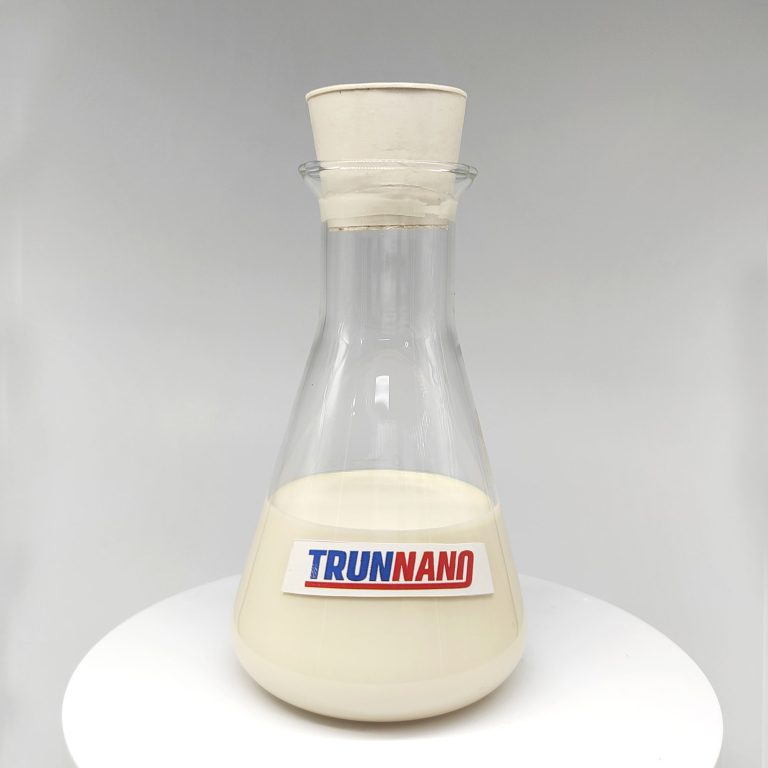
Mold Release Agent for PU Polyurethane
PRODUCT PARAMETERS
Description
Overview of Mold Release Agent for PU Polyurethane
Mold Release Agent for PU Polyurethane is essential for achieving flawless demolding in any concrete production process. This category features a range of specialized formulations designed to create a reliable barrier between wet concrete and the formwork surface.
Features of Mold Release Agent for PU Polyurethane
Mold Release Agent for PU Polyurethane is engineered to provide superior performance, protect your investment, and streamline your operations, offering distinct advantages over generic alternatives.
Superior Surface Quality and Consistent Results: The primary benefit is the production of pristine concrete surfaces. Our agents are formulated to prevent concrete from bonding to the formwork, effectively eliminating surface defects such as pitting, “”bug holes,”” and discoloration. This ensures a consistent, high-quality finish straight from the mold, significantly reducing the need for costly and time-consuming surface repairs or grinding.
Enhanced Formwork Protection and Longevity: Concrete is highly abrasive and alkaline, which can degrade formwork over time. Our release agents create a protective film that shields molds and tools from corrosive effects and rust. By preventing the buildup of hardened concrete residue, they make cleaning easier and less frequent. This comprehensive protection extends the service life of your valuable formwork assets, maximizing your return on investment.
Operational Efficiency and User-Friendly Application: Designed for convenience, our products are easy to apply evenly using spray, brush, or roller. Their effective formulation ensures reliable release with minimal product usage, reducing waste. Many of our bio-based options are non-staining and safer for workers, with pleasant, low-odor formulations. By facilitating faster, cleaner, and more predictable demolding cycles, our release agents directly contribute to increased productivity and smoother workflow on the production line or job site.

Specification of Mold Release Agent for PU Polyurethane
PU polyurethane adheres to molds badly. This makes it tough to obtain the completed dismantle. Mold release representatives solve this trouble. They produce a barrier between the PU material and the mold and mildew surface area. You spray or clean the release agent onto the mold before putting the liquid PU. It creates an extremely thin, non-stick layer. This layer stops the PU from bonding directly to the mold and mildew. When the PU part is cured, you can draw it out easily. The component launches cleanly. This prevents damage to the PU component. It likewise secures the mold itself. A good mold and mildew launch representative ensures consistent outcomes. You get smooth surface finishes on the PU parts every time. No deposit should be left on the part. The mold ought to remain clean too. Silicone-based formulas are common. They offer outstanding launch residential properties. Some agents are solvent-based. Others are water-based. Solvent-based versions often dry faster. Water-based alternatives might be liked for environmental factors. Constantly inspect compatibility. The release agent have to deal with your certain PU material. It additionally requires to deal with your mold and mildew material. Typical mold and mildew materials include steel, epoxy, or fiberglass. The representative ought to not damage the mold surface. It ought to not react badly with the PU. Easy application is important. Spray application is normal. It gives an also coat. Wiping might be required sometimes. Search for a product that dries out promptly. A fast-drying representative conserves time. It stops hold-ups in your manufacturing. Reapplication rates differ. You may require to use it every cycle. Some representatives use multiple launches per application. This relies on the PU kind and mold intricacy. Low VOC material may be needed. This depends upon your place and guidelines. The agent must not create bubbles in the PU surface area. It needs to not affect the PU’s final color. Performance under various temperature levels matters. PU can cure at different warm levels. The release representative have to execute dependably.
Applications of Mold Release Agent for PU Polyurethane
Mold and mildew release representatives are very important for dealing with PU polyurethane. They help obtain the finished polyurethane dismantle of the mold and mildew quickly. Without a launch representative, the polyurethane adheres to the mold and mildew. This can damage the component. It can additionally damage the mold itself. Making use of a release representative stops this sticking. It makes production smoother and quicker. Polyurethane is made use of in several products. Mold launch representatives are needed for all these applications.
In the auto market, polyurethane makes many parts. These include seats, dashboards, bumpers, and insulation. Releasing these components from their molds is critical. A good release representative makes certain the part appears tidy. It keeps the surface area looking excellent. It also helps the mold and mildew last longer. Furnishings utilizes a lot of polyurethane foam also. Assume cushions and bed mattress. Producers use release representatives to mold surfaces. This allows the foam items to launch promptly after developing. It stays clear of splits or marks on the foam.
Shoes manufacturing depends heavily on polyurethane. Soles and midsoles are frequently formed. A release representative is splashed inside the footwear mold and mildew. This allows the sole pop out quickly after curing. It keeps the sole’s shape and details best. Building insulation makes use of rigid PU foam. This foam is splashed or put into wall surface tooth cavities or various other kinds. A release representative is utilized right here too. It quits the foam from bonding to the creating surface areas. Industrial parts made from polyurethane also need release agents. These parts consist of seals, gaskets, and wheels. The launch representative ensures very easy demolding. It helps keep part high quality and dimensional precision.
Choosing the ideal mold launch agent matters. The kind depends on the polyurethane product and the molding procedure. Some release representatives are sprayed on. Others are cleaned on. The goal is constantly the same. Obtain a clean release without harming the part or the mold. This saves time and money in production. It results in far better items.
Company Profile
We are the global leader in lightweight concrete and advanced engineered foam solutions. Known globally for its commitment to research, innovation, and applied expertise, we have been providing engineered foam solutions since the early 2012’s.
We can supply high-quality concrete admixture and foam concrete related products all over the world.
The company has a professional technical department and quality supervision department, a well-equipped laboratory, and equipped with advanced testing equipment and after-sales customer service center.
If you are interested, please feel free and contact us.
Payment
T/T, Western Union, Paypal, Credit Card etc.
Shipment
By air, by sea, by express, as customers request.
5 FAQs of Mold Release Agent for PU Polyurethane
What is a mold release agent for PU polyurethane? It’s a special coating. You apply it to molds before pouring liquid polyurethane. This coating stops the hardened PU part from sticking to the mold surface. It makes demolding the finished part easy and clean.
How does a mold release agent work? The agent forms a barrier layer. This layer sits between the mold and the liquid PU resin. As the PU cures and hardens, it cannot bond directly to the mold material. The release layer prevents adhesion. The part separates smoothly later.
How do I apply a mold release agent? First, ensure the mold surface is perfectly clean and dry. Any dust or old residue causes problems. Spray or wipe the release agent onto the mold surface. Apply a thin, even coat. Too much agent creates runs or imperfections on your PU part. Let the agent dry completely before pouring the PU.
How long does one application of release agent last? It depends. One coat usually allows for one demolding cycle. You pour the PU, let it cure, then remove the part. Often you need to reapply the agent before making the next part. Some agents offer multiple releases per application; check the product details.
Do I need to clean the mold after using release agent? Yes, regular cleaning is essential. Release agent residue builds up over time. Buildup affects the finish of your PU parts. It might cause surface defects. Clean the mold thoroughly after several cycles or when you notice issues. Use appropriate cleaners recommended for your mold material and the release agent.