Concrete-mesa | Concrete Admixtures, Tools, and Production Machines

Concrete additive pp fibre twisted waved polypropylene fibre for concrete
PRODUCT PARAMETERS
Description
Overview of Concrete additive pp fibre twisted waved polypropylene fibre for concrete
Concrete additive pp fibre twisted waved polypropylene fibre for concrete is chemical compounds added to concrete mixtures to improve various properties of the material, such as workability, strength, durability, and curing time. These additives include plasticizers, retarders, accelerators, waterproofing agents, and air-entraining agents, each designed to meet specific needs in concrete production. Concrete additives are commonly used in both commercial and residential construction, as well as in the production of precast and ready-mix concrete. By enhancing the performance and quality of concrete, these additives help improve the overall efficiency of construction projects while ensuring the durability and longevity of the finished structure. They are easy to incorporate into the mix and provide cost-effective solutions for optimizing concrete properties in a wide range of applications.
Characteristics of Concrete additive pp fibre twisted waved polypropylene fibre for concrete
Enhanced Strength: Concrete additives can significantly increase the compressive strength of concrete, making it more resilient to pressure and stress. This ensures the longevity and durability of structures, reducing the likelihood of cracking or failure.
Improved Workability: Additives such as plasticizers and superplasticizers improve the flowability and consistency of concrete, making it easier to handle, pour, and finish. This enhances productivity on the construction site and reduces labor costs.
Faster Curing: Accelerators, a type of concrete additive, help speed up the curing process, allowing for quicker setting times and faster completion of projects. This is especially useful in cold weather or when fast-tracking construction timelines.
Increased Durability: Many additives, like water-reducing agents and waterproofing compounds, increase the resistance of concrete to harsh environmental conditions such as freeze-thaw cycles, water ingress, and chemical exposure, ensuring long-term performance.
Better Adhesion and Bonding: Certain additives improve the bonding between the concrete and other materials, such as reinforcing steel or aggregates, enhancing the overall structural integrity and reducing the chances of delamination or separation.
Versatility for Various Applications: Concrete additives are highly versatile and can be used in a wide range of applications, from residential buildings to large-scale infrastructure projects. They are formulated to meet specific needs such as high-strength concrete, self-compacting concrete, or durable concrete for extreme conditions.
Cost-Efficient: By improving the quality and performance of concrete, additives reduce the need for additional maintenance and repairs, leading to significant cost savings in the long term. Additionally, they help optimize the mix design, reducing material waste.
Environmentally Friendly: Many modern concrete additives are formulated with eco-friendly ingredients, contributing to more sustainable construction practices. These additives help minimize the carbon footprint and improve the environmental performance of the concrete.
Enhanced Surface Finish: Additives like air-entraining agents can improve the finish and appearance of concrete by preventing defects like cracking, honeycombing, or surface dusting, ensuring a smooth, professional-grade surface.

Specification of Concrete additive pp fibre twisted waved polypropylene fibre for concrete
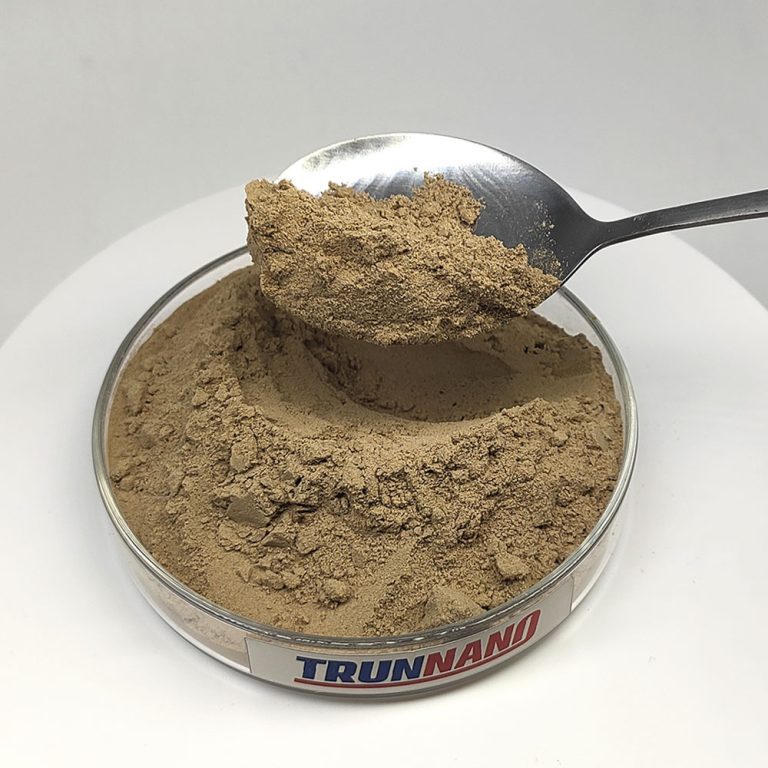
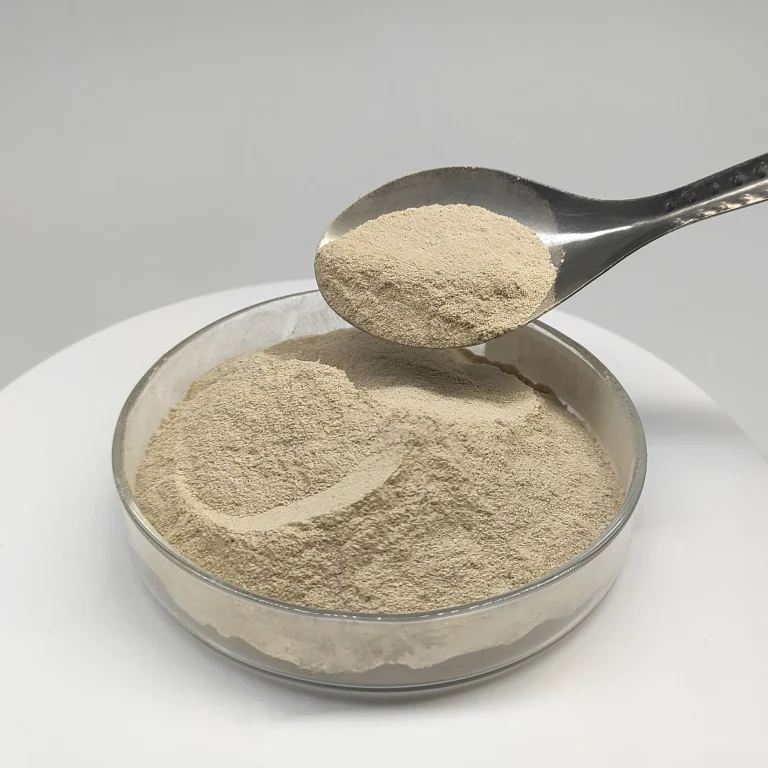
These fibers assist quit cracks in concrete. They are made from polypropylene. This plastic is difficult and lasts long. The fibers look twisted and wavy. This form aids them grasp the concrete mix well. They expanded equally throughout the concrete. This quits fractures from beginning and spreading out. It makes pieces, driveways, and floorings stronger. These fibers resist corrosion and chemicals. They will not rot. They manage the strong alkalis in concrete simply fine. You don’t require to bother with them damaging down. They add strength without making the mix hard to work with. The concrete keeps very easy to location and finish. The fibers increase impact resistance. The concrete takes care of hits much better. It also stands up to put on gradually. The tensile strength of the fibers is high. They pull apart tough before breaking. Usual fiber sizes are 12mm, 19mm, or 25mm. You choose based upon the project requires. The fibers are very slim. Their size is gauged in denier. This implies they blend in smoothly. They do not clump. You include these fibers straight to the concrete set. Use the amount the maker recommends. Usually it’s a few kgs per cubic meter. Adding fibers means much less cracking. You might use much less steel mesh or rebar. This can save money and time. The fibers boost concrete quality overall. They make frameworks a lot more sturdy.
Applications of Concrete additive pp fibre twisted waved polypropylene fibre for concrete
Concrete splits. It occurs a great deal. Fractures damage concrete. They let water in. Water can trigger more damages. Using polypropylene fibers aids avoid this. These fibers are extremely thin. They are made from a strong plastic. They obtain mixed right into the concrete set. They spread out equally throughout the mix.
The fibers function by holding the concrete together. This happens especially when the concrete is still really young. Fresh concrete reduces a little. This contraction creates interior stress and anxiety. The fibers assist control this tension. They minimize the development of cracks. They hold little fractures together. This stops tiny splits from ending up being large cracks.
These fibers likewise make concrete tougher. They improve influence resistance. Concrete pieces take a beating. Forklifts drive over them. Hefty items obtain dropped. The fibers help the concrete take in these shocks much better. The concrete surface area stands up longer. It chips less conveniently. This lowers surface area spalling.
These fibers enhance toughness. They aid concrete last longer. They battle versus surface wear. They also aid versus freeze-thaw cycles. Water entraped inside concrete expands when it ices up. This expansion creates pressure. The fibers offer added support. They help the concrete resist this pressure. This implies much less scaling and surface area damages in cold weather.
This item suits lots of applications. It functions well in commercial floorings. Storehouses and manufacturing facilities need hard floorings. It benefits driveways and pathways. These locations see continuous web traffic. It profits precast concrete components. Wall surfaces, pipelines, and panels gain stamina. It boosts shotcrete applications. Passages and pools get better concrete. Using polypropylene fiber makes concrete much better.
Company Profile
We are the global leader in lightweight concrete and advanced engineered foam solutions. Known globally for its commitment to research, innovation, and applied expertise, we have been providing engineered foam solutions since the early 2012’s.
We can supply high-quality concrete admixture and foam concrete related products all over the world.
The company has a professional technical department and quality supervision department, a well-equipped laboratory, and equipped with advanced testing equipment and after-sales customer service center.
If you are interested, please feel free and contact us.
Payment
T/T, Western Union, Paypal, Credit Card etc.
Shipment
By air, by sea, by express, as customers request.
5 FAQs of Concrete additive pp fibre twisted waved polypropylene fibre for concrete
What are PP fibres?
PP fibres are synthetic fibres made from polypropylene. They are added to concrete mixes. These fibres look like twisted or wavy strands. They are very small. You add them directly to the concrete. They help control cracking.
What do PP fibres do?
PP fibres mainly fight cracking. They stop cracks from forming while the concrete is still wet. This is called plastic shrinkage cracking. They hold the concrete together better. This reduces cracking from drying shrinkage too. They make the concrete tougher overall. They help it resist impacts better.
How much fibre is needed?
You typically use between 0.9 and 1.8 kilograms per cubic meter of concrete. The exact amount depends on the project. It depends on the desired performance level. Consult the supplier’s guidelines. Follow the specifications for your specific concrete mix. Using the right amount is important.
How do you mix PP fibres?
Mixing PP fibres is straightforward. Add them directly to the concrete mix. Do this during the batching process. You can add them with the other dry ingredients. Or you can add them once the aggregates and cement are mixing. Ensure the fibres spread evenly throughout the mix. Mix for a sufficient time to get good dispersion. Avoid adding them too late.
Are fibres better than wire mesh?
PP fibres offer advantages over wire mesh. Fibres mix throughout the entire concrete volume. Wire mesh sits only in one layer. Fibres prevent early-age cracks wire mesh cannot stop. They also help control shrinkage cracks better. Fibres are much faster to install. They eliminate the need to place and support mesh. Fibres do not corrode like steel mesh can.