Concrete-mesa | Concrete Admixtures, Tools, and Production Machines

12MM Precast Concrete Additive Synthetic Fiber Fibres UHPC Synthetic Fiber For Plastic Building Materials
PRODUCT PARAMETERS
Description
Overview of 12MM Precast Concrete Additive Synthetic Fiber Fibres UHPC Synthetic Fiber For Plastic Building Materials
12MM Precast Concrete Additive Synthetic Fiber Fibres UHPC Synthetic Fiber For Plastic Building Materials is chemical compounds added to concrete mixtures to improve various properties of the material, such as workability, strength, durability, and curing time. These additives include plasticizers, retarders, accelerators, waterproofing agents, and air-entraining agents, each designed to meet specific needs in concrete production. Concrete additives are commonly used in both commercial and residential construction, as well as in the production of precast and ready-mix concrete. By enhancing the performance and quality of concrete, these additives help improve the overall efficiency of construction projects while ensuring the durability and longevity of the finished structure. They are easy to incorporate into the mix and provide cost-effective solutions for optimizing concrete properties in a wide range of applications.
Characteristics of 12MM Precast Concrete Additive Synthetic Fiber Fibres UHPC Synthetic Fiber For Plastic Building Materials
Enhanced Strength: Concrete additives can significantly increase the compressive strength of concrete, making it more resilient to pressure and stress. This ensures the longevity and durability of structures, reducing the likelihood of cracking or failure.
Improved Workability: Additives such as plasticizers and superplasticizers improve the flowability and consistency of concrete, making it easier to handle, pour, and finish. This enhances productivity on the construction site and reduces labor costs.
Faster Curing: Accelerators, a type of concrete additive, help speed up the curing process, allowing for quicker setting times and faster completion of projects. This is especially useful in cold weather or when fast-tracking construction timelines.
Increased Durability: Many additives, like water-reducing agents and waterproofing compounds, increase the resistance of concrete to harsh environmental conditions such as freeze-thaw cycles, water ingress, and chemical exposure, ensuring long-term performance.
Better Adhesion and Bonding: Certain additives improve the bonding between the concrete and other materials, such as reinforcing steel or aggregates, enhancing the overall structural integrity and reducing the chances of delamination or separation.
Versatility for Various Applications: Concrete additives are highly versatile and can be used in a wide range of applications, from residential buildings to large-scale infrastructure projects. They are formulated to meet specific needs such as high-strength concrete, self-compacting concrete, or durable concrete for extreme conditions.
Cost-Efficient: By improving the quality and performance of concrete, additives reduce the need for additional maintenance and repairs, leading to significant cost savings in the long term. Additionally, they help optimize the mix design, reducing material waste.
Environmentally Friendly: Many modern concrete additives are formulated with eco-friendly ingredients, contributing to more sustainable construction practices. These additives help minimize the carbon footprint and improve the environmental performance of the concrete.
Enhanced Surface Finish: Additives like air-entraining agents can improve the finish and appearance of concrete by preventing defects like cracking, honeycombing, or surface dusting, ensuring a smooth, professional-grade surface.

Specification of 12MM Precast Concrete Additive Synthetic Fiber Fibres UHPC Synthetic Fiber For Plastic Building Materials
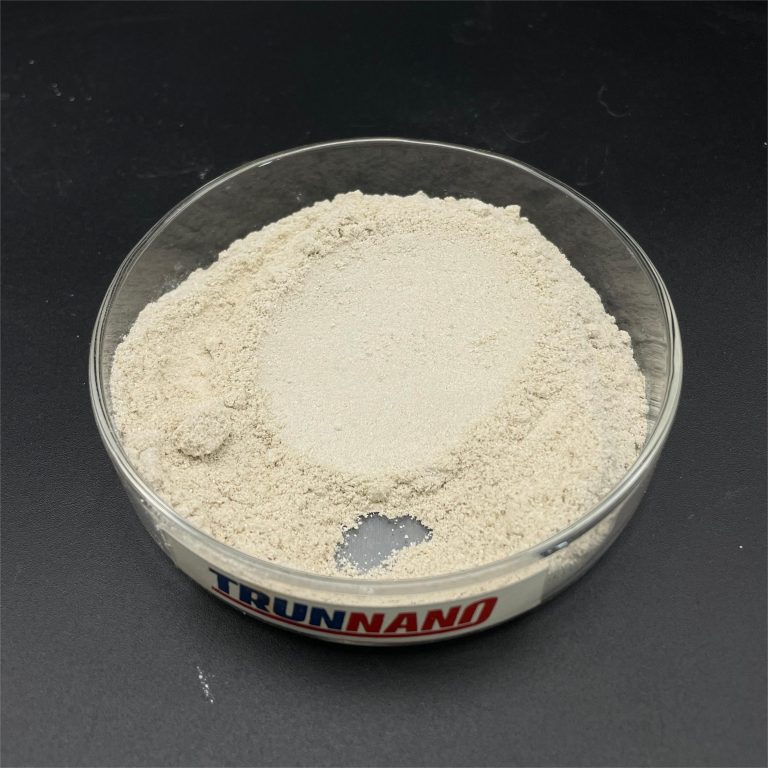
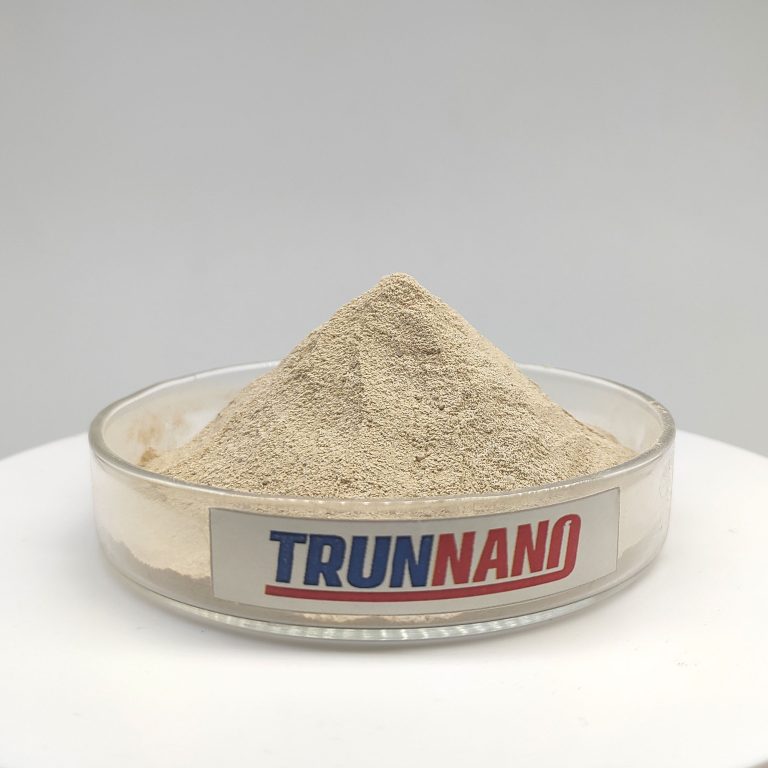
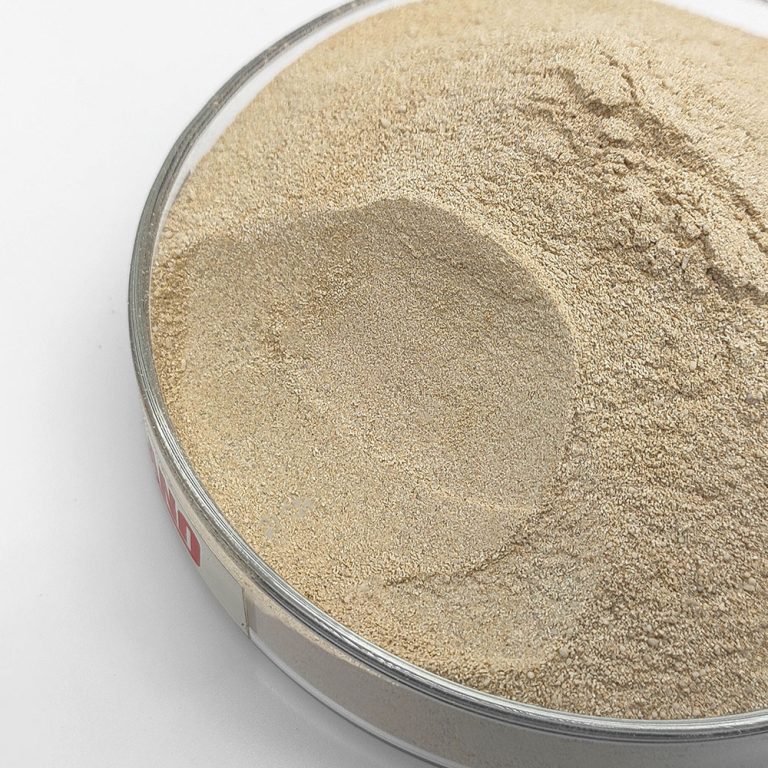
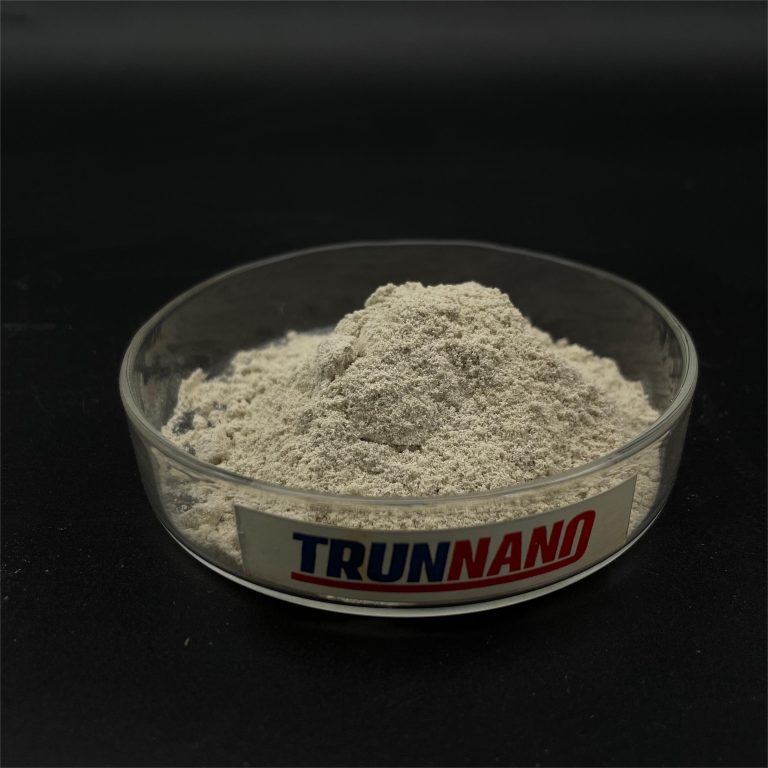
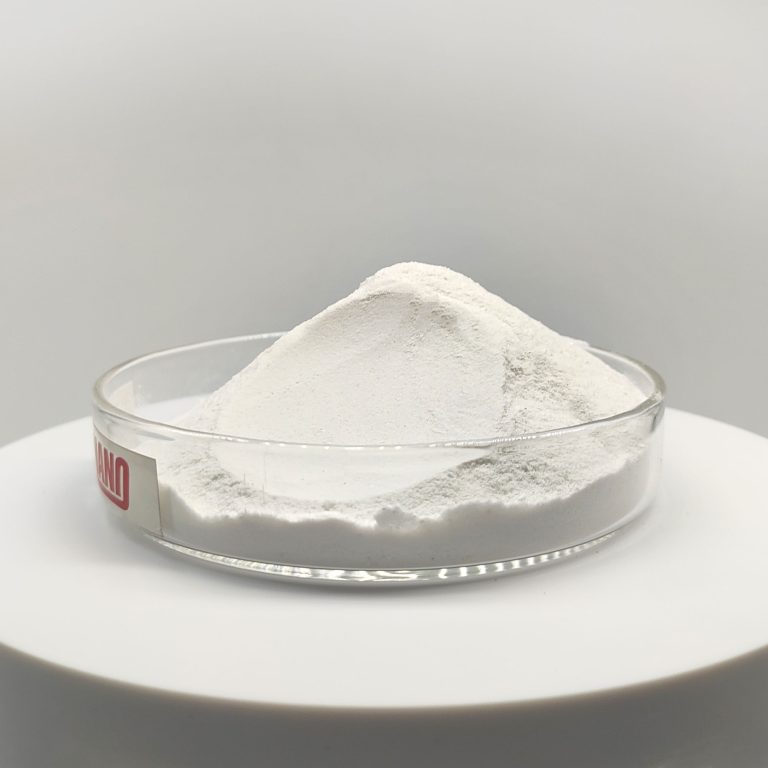
These 12mm artificial fibers are for adding right into concrete. They are made from plastic. They are added to concrete mixes. This makes the concrete stronger. It also helps stop cracks. The fibers are 12 millimeters long. That is a great dimension for blending well. They are very thin. They spread out evenly in the concrete. These fibers are utilized a lot in precast concrete. Precast indicates concrete items made off-site. The fibers aid these pieces last longer. They make the concrete harder. This means it handles influences much better. The concrete resists use better also. These fibers also function well with UHPC. UHPC is Ultra-High Performance Concrete. UHPC is already really solid. Adding these fibers makes it also much better. It assists manage fracturing in UHPC. The fibers improve resilience. They assist the concrete hold with each other. The fibers are made from unique artificial materials. These products resist chemicals. They stand up to alkalis found in concrete. This indicates the fibers last a long period of time. They will not break down conveniently. Using these fibers is straightforward. They are added throughout concrete mixing. No extra steps are needed. They change some traditional reinforcement approaches. They can minimize the demand for cable mesh. They can decrease the requirement for steel rebar in some cases. This conserves money and time. The fibers assist manage plastic shrinking cracks. These cracks form early as concrete dries. The fibers bridge across these little cracks. This quits them from growing. The concrete surface area looks much better. It requires much less repair work later. These fibers benefit lots of structure products. They enhance the efficiency of plastic-based concrete products. They make frameworks much more reputable. They expand the life of concrete elements. Builders and engineers depend on these fibers. They are a tried and tested option for far better concrete.
Applications of 12MM Precast Concrete Additive Synthetic Fiber Fibres UHPC Synthetic Fiber For Plastic Building Materials
These 12MM precast concrete additive synthetic fibers are a crucial ingredient. They enhance toughness and durability in numerous structure products. They mix quickly right into damp concrete or mortar. This takes place before putting or molding. The fibers spread out evenly. They form a reinforcing network inside the material. This network aids stop cracks from beginning and spreading out.
Contractors make use of these fibers extensively in precast concrete products. Think flooring slabs, wall surface panels, pipes, and manholes. Including fibers indicates these components take care of stress and anxiety better. They withstand influences and surface area wear. This results in longer-lasting frameworks. It also reduces the chance of very early damages during transport or installation.
Ultra-High Efficiency Concrete (UHPC) advantages hugely from these fibers. UHPC is exceptionally solid however breakable by itself. The fibers bridge cracks as they develop. This provides UHPC a much tougher personality. It permits UHPC to bend a little before breaking. This sturdiness is important for requiring applications like slim building elements or critical bridge components.
Plastic building products likewise see renovations. Fiber-reinforced plastic compounds prevail. The fibers include stiffness and influence resistance. They assist plastic components hold their shape under tons. This is useful for sturdy exterior furniture, solid storage space bins, or tough construction website accessories. The fibers make the plastic perform much better.
These artificial fibers supply numerous advantages. They deal with against plastic contraction breaking in concrete. They enhance fire resistance by holding the product together longer under heat. They also aid surfaces resist abrasion and spalling. This means less surface wear with time. The fibers function well with various other ingredients. They do not hinder admixtures.
Handling the fibers is simple. They can be found in simple bags or boxes. You add them straight to the concrete mixer. The dosing is basic. Comply with the manufacturer’s directions for the best outcomes. Appropriate mixing guarantees the fibers spread out well. This gives consistent reinforcement throughout the item.
Company Profile
We are the global leader in lightweight concrete and advanced engineered foam solutions. Known globally for its commitment to research, innovation, and applied expertise, we have been providing engineered foam solutions since the early 2012’s.
We can supply high-quality concrete admixture and foam concrete related products all over the world.
The company has a professional technical department and quality supervision department, a well-equipped laboratory, and equipped with advanced testing equipment and after-sales customer service center.
If you are interested, please feel free and contact us.
Payment
T/T, Western Union, Paypal, Credit Card etc.
Shipment
By air, by sea, by express, as customers request.
5 FAQs of 12MM Precast Concrete Additive Synthetic Fiber Fibres UHPC Synthetic Fiber For Plastic Building Materials
Here are 5 common questions about 12MM Precast Concrete Additive Synthetic Fibers for Plastic Building Materials:
What are these fibers exactly? These are short, synthetic strands. They are specifically 12 millimeters long. They are designed to be mixed into concrete. They are made from a strong plastic material. This material is often polypropylene or similar.
Why put plastic fibers in concrete? The main job is reinforcement. Concrete can crack easily. These fibers help stop that. They hold the concrete together from the inside. This happens as the concrete sets and hardens. They make the concrete tougher overall.
What benefits do they offer? The biggest plus is better crack control. Cracks happen less often. Cracks that do appear are smaller. The concrete handles impact better. It doesn’t break as easily when hit. The concrete also resists wear better over time. This makes surfaces last longer.
Where are these fibers used? They are perfect for precast concrete items. Think wall panels, pipes, manholes, and paving stones. They are also great for Ultra-High Performance Concrete (UHPC). UHPC is used for demanding jobs needing extreme strength and thin sections. They work well in many plastic building material applications needing strong concrete.
Why choose synthetic fibers over others? Steel fibers are another option. Synthetic fibers are usually cheaper. They are much lighter to handle. They mix into the concrete more evenly. They don’t rust like steel can. This avoids rust stains or weakening over time. They offer good performance for the cost.