Concrete4U | Concrete Admixtures, Tools, and Production Machines

Construction Grade Cement for Building Applications
PRODUCT PARAMETERS
Description
Overview of Construction Grade Cement for Building Applications
Construction Grade Cement for Building Applications is a cementitious material manufactured using specialized materials, formulation techniques, and production technologies to meet specific engineering performance requirements. Compared to general-purpose Portland cement, specialty cement offers distinct advantages in particular properties, enabling it to withstand extreme environments, satisfy specialized process demands, and enhance the durability and functionality of building structures. It serves as a critical material for resolving major complex engineering challenges.
Features of Construction Grade Cement for Building Applications
1. Specialized Performance, Targeted Solutions: Provides professional solutions for specific engineering challenges (such as corrosion, shrinkage, extreme temperatures, etc.).
2. Enhanced Durability, Extended Lifespan: Fundamentally increases the service life of structures in harsh environments, resulting in lower total lifecycle costs.
3. Simplified Construction Processes, Improved Efficiency: Examples include fast-setting cement significantly reducing project timelines, and expansive cement enabling self-waterproofing structures while streamlining procedures.
4. Enables Special Functions, Expands Design Boundaries: Empowers architects and engineers to realize more complex design concepts, such as large-span structures, super-tall buildings, and unique decorative effects.
5. Green and Energy-Efficient: Certain products utilize industrial waste materials as raw ingredients, aligning with sustainable development principles. Simultaneously, enhanced structural durability reduces future maintenance resource consumption.

Specifications of Construction Grade Cement for Building Applications
Construction grade cement is vital for solid, resilient buildings. It develops the base for concrete and mortar. This cement binds products with each other firmly. Home builders rely on it for structures, wall surfaces, slabs, and structural components. The high quality has to fulfill rigorous standards.
Trick requirements specify excellent construction concrete. Toughness is vital. Concrete gains toughness over time after combining with water. The compressive strength after 28 days is a major measure. It must reach certain levels, commonly 32.5 MPa or greater. This makes sure frameworks can take care of hefty tons.
The concrete’s make-up issues considerably. It mainly consists of clinker ground right into a fine powder. Plaster is added to regulate setting time. The excellence of the grind affects just how fast it responds with water. A better powder usually leads to stronger concrete. It also affects workability.
Setting time is crucial for sensible use. Initial setting offers employees sufficient time to place and end up the concrete. Final setup suggests the concrete has set sufficient. Requirement set minimum times for preliminary collection and optimum times for last collection. This stops issues during building and construction.
Uniformity in top quality is non-negotiable. Concrete sets have to execute the very same each time. Routine screening look for stamina, excellence, setting time, and sturdiness. Stability implies the concrete does not increase excessively after solidifying. Development can cause fractures. Great cement ensures resilient structures. It supplies trustworthy performance across numerous building applications. Contractors require confidence in the item.
Applications of Construction Grade Cement for Building Applications
Home builders use construction quality concrete for several things. It’s a crucial material in construction projects large and tiny. Concrete combines with water to develop a paste. This paste binds sand and crushed rock together. With each other they produce solid concrete. Concrete is important for constructing structures. Foundations support the whole structure. They require to be very strong and stable. Concrete makes that possible.
Contractors also use concrete for walls. They put concrete into molds to develop wall surfaces. They also make concrete blocks utilizing cement. These blocks pile with each other to develop wall surfaces promptly. Cement mortar holds blocks or blocks with each other. This mortar loads the voids. It produces a solid wall surface structure.
Concrete is essential for floor covering as well. Contractors use concrete pieces for floorings. These slabs offer a sturdy surface inside buildings. Concrete is also used for driveways and pavements outside. It holds up against heavy traffic and weather. Concrete assists develop a smooth, lasting surface area.
Contractors use concrete for architectural components. This consists of beams, columns, and pieces that hold up structures. These parts lug hefty loads. Cement-based concrete provides the needed stamina. It makes certain the structure stands safely.
Some applications need special cement blends. Contractors add things to the cement for details work. As an example, they might include products for faster setup time. They might include substances for far better resistance to chemicals. These mixes address specific construction challenges. Builders count on cement’s convenience. It forms the foundation of several frameworks we utilize daily. Its stamina and sturdiness are necessary.
Company Profile
We are the global leader in lightweight concrete and advanced engineered foam solutions. Known globally for its commitment to research, innovation, and applied expertise, we have been providing engineered foam solutions since the early 2012’s.
We can supply high-quality concrete admixture and foam concrete related products all over the world.
The company has a professional technical department and quality supervision department, a well-equipped laboratory, and equipped with advanced testing equipment and after-sales customer service center.
If you are interested, please feel free and contact us.
Payment
T/T, Western Union, Paypal, Credit Card etc.
Shipment
By air, by sea, by express, as customers request.
5 FAQs of Construction Grade Cement for Building Applications
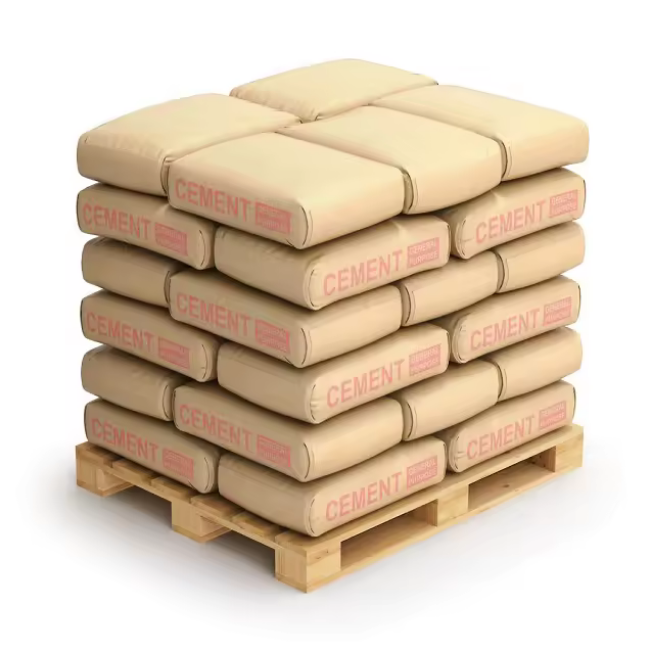
What makes construction grade cement different? It’s designed for heavy-duty building projects. This cement needs to withstand high pressure and harsh weather. Regular cement might not offer the same strength or durability. Builders rely on it for foundations, beams, and structural walls. It provides the necessary stability.
How strong is construction grade cement? Its compressive strength is very high. After 28 days, it typically reaches strengths like 40 MPa or more. This strength ensures structures remain solid for decades. It supports significant weight without cracking. This reliability is crucial for safety.
How long does construction cement take to set? Initial setting happens within a few hours. Final hardening requires about 28 days for full strength. Temperature affects this timeline. Colder weather slows down the setting process. Proper curing is essential during this period.
What’s the right mix for construction cement? Follow the instructions on the bag precisely. The standard ratio is often one part cement, two parts sand, and three parts coarse aggregate. Adding too much water weakens the concrete. Use clean water for mixing. Consistency should be workable but not soupy.
How should I store construction cement? Keep the bags in a cool, dry place. Moisture ruins cement quickly. Use stored cement within a few months for best results. Old cement may lose some effectiveness. Seal opened bags tightly to prevent air exposure.