Concrete-mesa | Concrete Admixtures, Tools, and Production Machines

concrete Admixture And Construction Hpmc Industry Grade
PRODUCT PARAMETERS
Description
Overview of concrete Admixture And Construction Hpmc Industry Grade
concrete Admixture And Construction Hpmc Industry Grade is chemical compounds added to concrete mixtures to improve various properties of the material, such as workability, strength, durability, and curing time. These additives include plasticizers, retarders, accelerators, waterproofing agents, and air-entraining agents, each designed to meet specific needs in concrete production. Concrete additives are commonly used in both commercial and residential construction, as well as in the production of precast and ready-mix concrete. By enhancing the performance and quality of concrete, these additives help improve the overall efficiency of construction projects while ensuring the durability and longevity of the finished structure. They are easy to incorporate into the mix and provide cost-effective solutions for optimizing concrete properties in a wide range of applications.
Characteristics of concrete Admixture And Construction Hpmc Industry Grade
Enhanced Strength: Concrete additives can significantly increase the compressive strength of concrete, making it more resilient to pressure and stress. This ensures the longevity and durability of structures, reducing the likelihood of cracking or failure.
Improved Workability: Additives such as plasticizers and superplasticizers improve the flowability and consistency of concrete, making it easier to handle, pour, and finish. This enhances productivity on the construction site and reduces labor costs.
Faster Curing: Accelerators, a type of concrete additive, help speed up the curing process, allowing for quicker setting times and faster completion of projects. This is especially useful in cold weather or when fast-tracking construction timelines.
Increased Durability: Many additives, like water-reducing agents and waterproofing compounds, increase the resistance of concrete to harsh environmental conditions such as freeze-thaw cycles, water ingress, and chemical exposure, ensuring long-term performance.
Better Adhesion and Bonding: Certain additives improve the bonding between the concrete and other materials, such as reinforcing steel or aggregates, enhancing the overall structural integrity and reducing the chances of delamination or separation.
Versatility for Various Applications: Concrete additives are highly versatile and can be used in a wide range of applications, from residential buildings to large-scale infrastructure projects. They are formulated to meet specific needs such as high-strength concrete, self-compacting concrete, or durable concrete for extreme conditions.
Cost-Efficient: By improving the quality and performance of concrete, additives reduce the need for additional maintenance and repairs, leading to significant cost savings in the long term. Additionally, they help optimize the mix design, reducing material waste.
Environmentally Friendly: Many modern concrete additives are formulated with eco-friendly ingredients, contributing to more sustainable construction practices. These additives help minimize the carbon footprint and improve the environmental performance of the concrete.
Enhanced Surface Finish: Additives like air-entraining agents can improve the finish and appearance of concrete by preventing defects like cracking, honeycombing, or surface dusting, ensuring a smooth, professional-grade surface.

Specification of concrete Admixture And Construction Hpmc Industry Grade
Concrete admixtures are unique active ingredients added to concrete mixes. They transform just how the concrete acts. This assists contractors accomplish details objectives. Building contractors make use of these products to make concrete easier to collaborate with. They also use them to make concrete stronger and a lot more resilient. Various types of admixtures exist. Each one offers a distinctive function.
Plasticizers and superplasticizers are common kinds. These make the concrete mix circulation much better without including extra water. This causes stronger concrete. Accelerators speed up how rapid concrete hardens. This serves in cold weather. Retarders do the opposite. They decrease the solidifying process. This is good for large pours or hot weather. Air-entraining admixtures develop small air bubbles inside the concrete. These bubbles assist the concrete withstand damage from cold and thawing. They likewise make it a lot more practical.
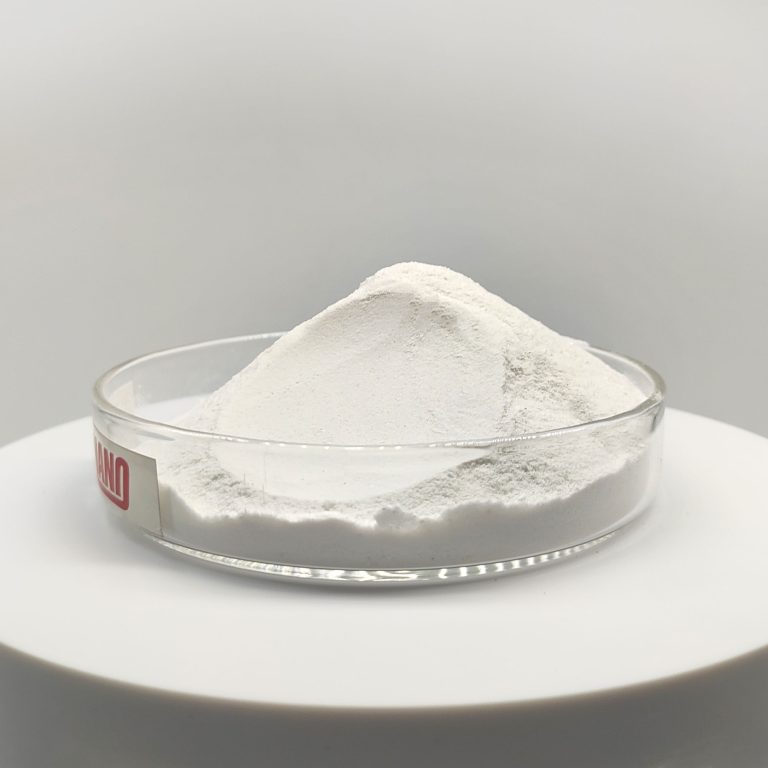
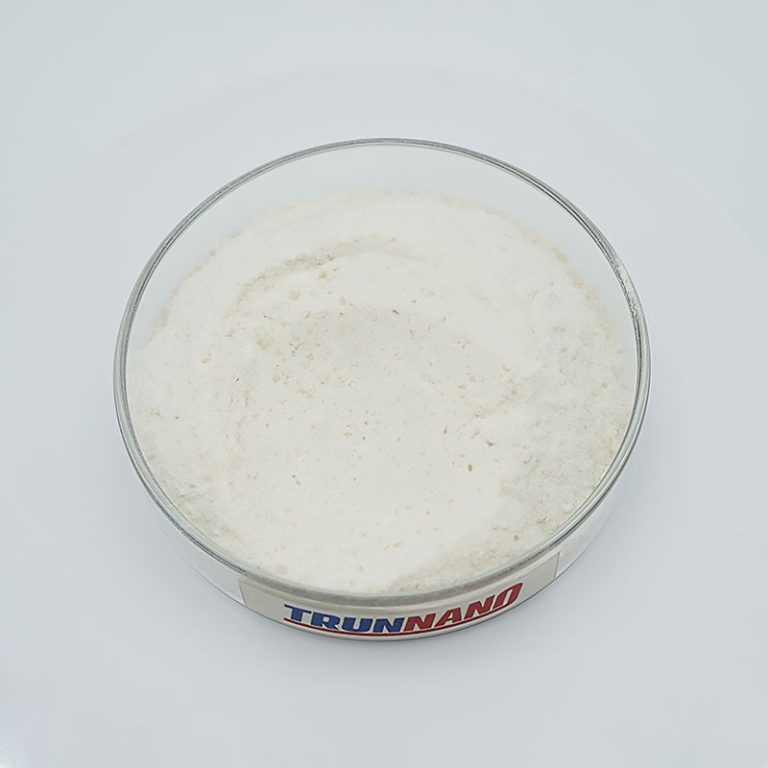
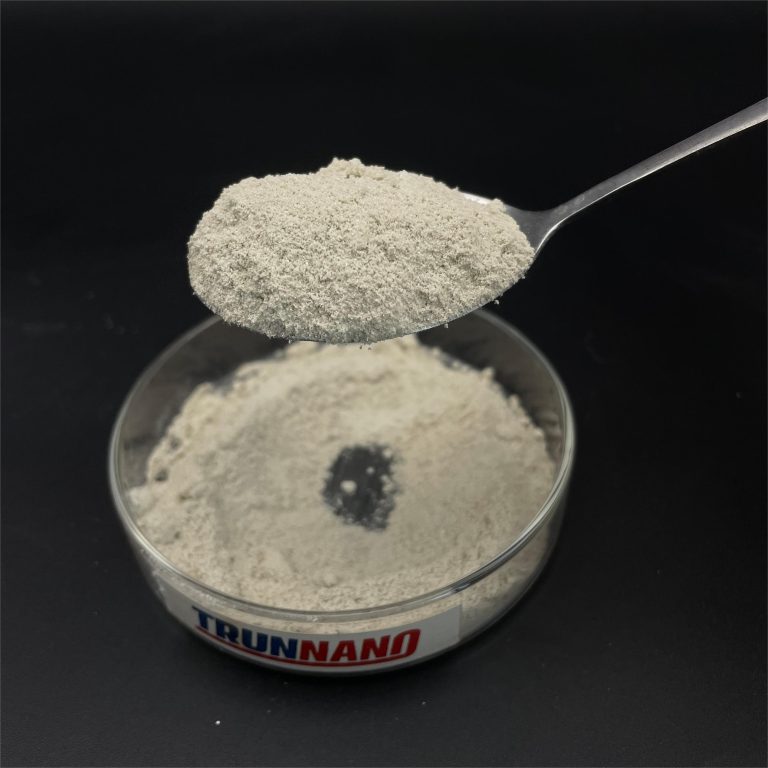
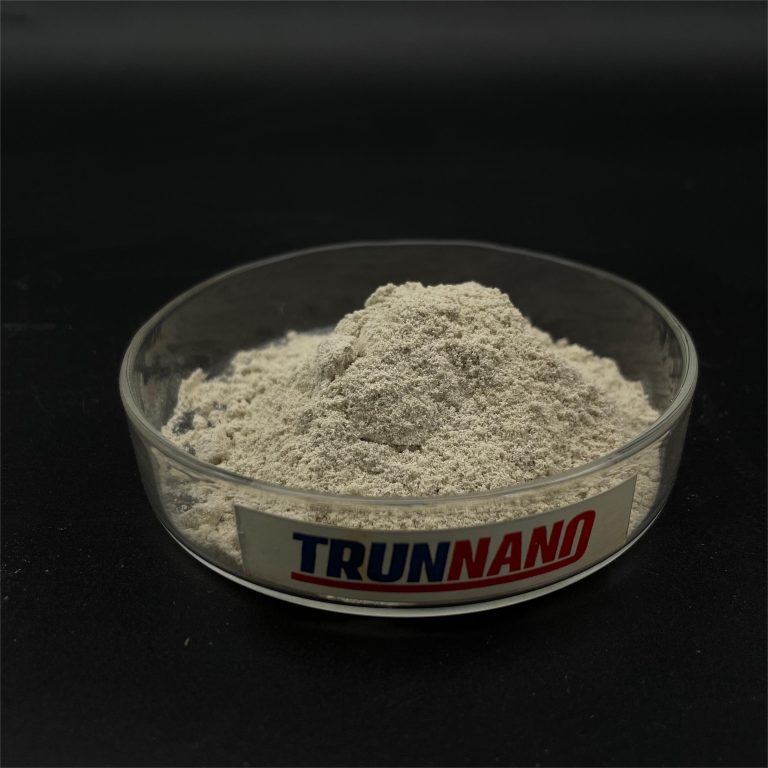
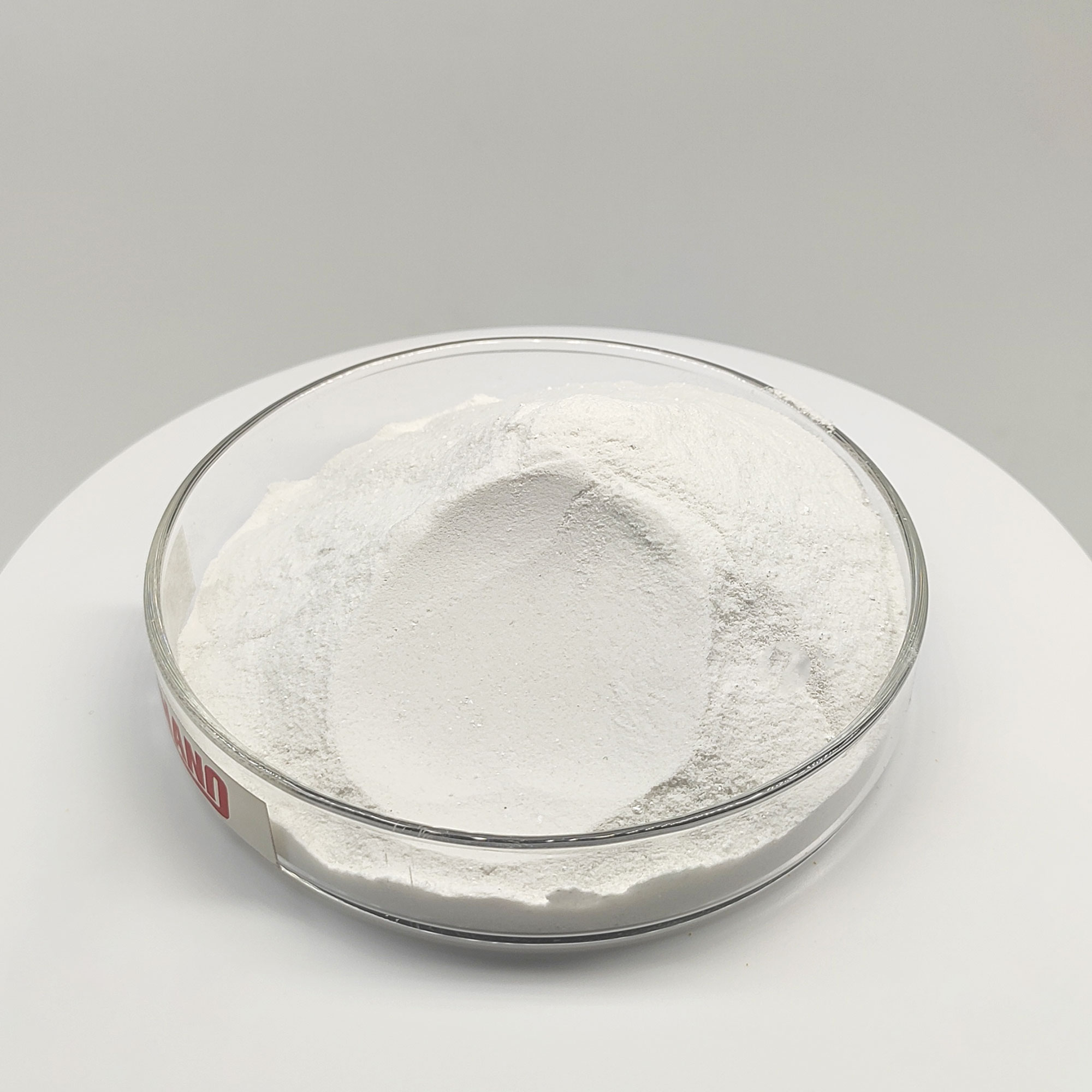
HPMC means Hydroxypropyl Methylcellulose. It is an essential material in construction-grade applications. HPMC is essential in dry-mix mortars and plasters. It works as a thickener and binder. HPMC boosts exactly how well the mixture sticks to surfaces. It aids avoid the mixture from drooping on upright surfaces. Water retention is one more significant advantage of HPMC. It maintains the water in the mix much longer. This permits concrete to moisten appropriately. Appropriate hydration results in much better strength development. It also decreases the chance of cracks forming. Contractors appreciate the boosted workability HPMC gives. Workers discover the mortar simpler to use and smooth. HPMC aids keep consistency in the mix in time. It stops the mix from drying also quickly throughout application. Construction-grade HPMC should satisfy details requirements. It requires consistent quality and performance. Home builders count on these residential or commercial properties for reputable results.
Applications of concrete Admixture And Construction Hpmc Industry Grade
Concrete admixtures are chemicals added to concrete. Builders add them during blending. They alter the concrete’s homes. This assists builders collaborate with the concrete far better. It also makes the last concrete more powerful. Contractors deal with issues on building sites. Concrete may set as well quick or too slow-moving. It may be difficult to pump or position. Admixtures take care of these troubles. They let home builders pour concrete simpler. They assist concrete flow into limited rooms. Contractors utilize water reducers. These make the concrete smoother without adding additional water. Additional water compromises concrete. Plasticizers make concrete keep convenient much longer. This benefits big puts or warm days. Building contractors utilize air-entraining representatives as well. These place little air bubbles in the concrete. The bubbles assist concrete make it through cold and thawing. This is important in cool places.
Builders additionally make use of set controllers. Accelerators make concrete harden quicker. This serves in winter. Retarders slow down the setup time. Builders require this for long runs or complicated jobs. Some admixtures make concrete more powerful. Building contractors use these for high-rise buildings or bridges. Various other admixtures lower contraction. Concrete shrinks as it dries. This can trigger fractures. Contraction reducers assist protect against fracturing. Contractors additionally use deterioration preventions. These secure the steel bars inside concrete. Salt and water can rust the steel. Rust preventions quit this.
HPMC represents Hydroxypropyl Methylcellulose. It is a powder used in building products. Contractors add HPMC to dry mix mortars. This consists of ceramic tile adhesives, plasters, and renders. HPMC imitates a thickener. It makes the wet mortar stickier. This provides building contractors more time to function. The mortar doesn’t slump or droop on the wall. HPMC also helps the mortar hold water. The concrete needs water to harden effectively. HPMC prevents the water from soaking right into the wall as well quick. This aids the mortar establish strength. Contractors get a better bond. HPMC improves the mortar’s smoothness too. Builders find it simpler to spread out. HPMC minimizes dust when the mortar dries out. Contractors choose the ideal type of HPMC. The grade relies on the particular mortar application. Different tasks require various buildings. Building contractors depend on these ingredients daily. They make building job much easier. They cause stronger, longer-lasting buildings.
Company Profile
We are the global leader in lightweight concrete and advanced engineered foam solutions. Known globally for its commitment to research, innovation, and applied expertise, we have been providing engineered foam solutions since the early 2012’s.
We can supply high-quality concrete admixture and foam concrete related products all over the world.
The company has a professional technical department and quality supervision department, a well-equipped laboratory, and equipped with advanced testing equipment and after-sales customer service center.
If you are interested, please feel free and contact us.
Payment
T/T, Western Union, Paypal, Credit Card etc.
Shipment
By air, by sea, by express, as customers request.
5 FAQs of concrete Admixture And Construction Hpmc Industry Grade
What is a concrete admixture?
Concrete admixtures are special chemicals added to concrete mixes. They change specific properties of the concrete. Common types help reduce the water needed. Others make the concrete stronger. Some make the concrete easier to work with. Admixtures help achieve better results in different conditions.
What is HPMC used for?
HPMC stands for Hydroxypropyl Methylcellulose. It is a thickener. Builders use it in construction materials. HPMC makes cement-based products hold water better. This prevents drying too fast. It improves how the material sticks to surfaces. HPMC makes application smoother.
What are the main benefits?
Admixtures offer several advantages. They allow less water in the mix. This increases the concrete’s final strength. It also improves durability. Admixtures can speed up or slow down setting time. This helps in hot or cold weather. HPMC improves workability. It reduces cracks from shrinkage. It gives a better finish.
How do I use them?
Follow the manufacturer’s instructions precisely. Add the admixture or HPMC during the mixing stage. Ensure it disperses evenly throughout the mixture. Use the correct dosage. Too much can cause problems. Too little might not work. Test small batches first if unsure.
Are they safe? How to store?
Handle all chemicals with care. Wear appropriate protective gear. Read the safety data sheet for details. Store products in a cool, dry place. Keep containers tightly sealed. Protect them from moisture. Keep them away from extreme heat or cold. Follow the expiry dates.