Concrete-mesa | Concrete Admixtures, Tools, and Production Machines

High Performance Gfrp Fiberglass Bar Glass Fiber Rebar Epoxy Composite Fiberglass Rebar For Concrete Reinforcement

PRODUCT PARAMETERS
Description
Overview of High Performance Gfrp Fiberglass Bar Glass Fiber Rebar Epoxy Composite Fiberglass Rebar For Concrete Reinforcement
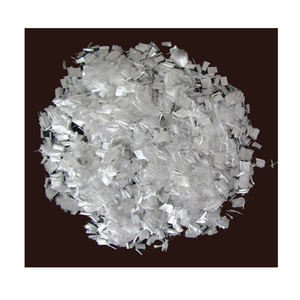
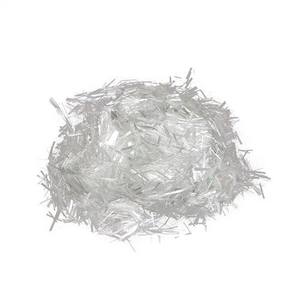
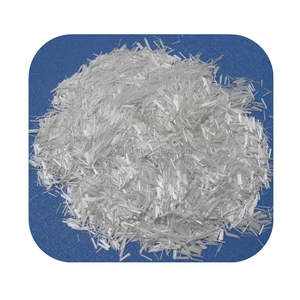
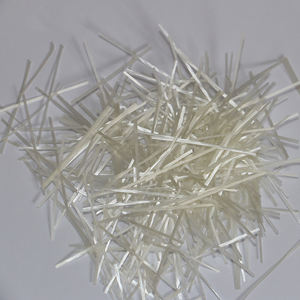
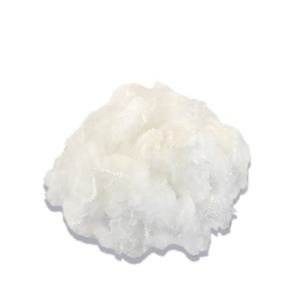
For high-impact resistance, we offer Steel Fibers, an ideal replacement for welded wire mesh in industrial floors and pre-cast elements. We also provide specialized Structural Synthetic Fibers that offer high tensile strength for demanding applications. These fibers are uniformly dispersed throughout the concrete mix, creating a multi-dimensional reinforcement network that traditional methods cannot achieve. This integrated approach simplifies construction, accelerates placement, and enhances the overall integrity and longevity of the concrete, providing a modern answer to age-old cracking and durability challenges.
Features of High Performance Gfrp Fiberglass Bar Glass Fiber Rebar Epoxy Composite Fiberglass Rebar For Concrete Reinforcement
1. Superior Crack Control and Enhanced Durability:
The primary feature of our fibers is their ability to bridge both micro-cracks that form during the plastic state and larger cracks in hardened concrete. This three-dimensional dispersion creates a more cohesive matrix that resists crack propagation. The direct benefit is a significant reduction in both plastic shrinkage cracking and long-term crack width. This leads to a much more durable concrete with lower permeability, which in turn enhances resistance to water ingress, freeze-thaw damage, and corrosion of any embedded steel. The result is a structure with a longer service life and reduced maintenance costs.
2. Increased Impact and Abrasion Resistance:
Fibers, particularly steel and robust synthetic macro fibers, dramatically improve the concrete’s toughness and post-crack performance. They absorb and distribute energy upon impact or loading. This feature provides the benefit of a more resilient surface that is less prone to spalling, chipping, and abrasion under heavy traffic or mechanical wear. This is a critical advantage for industrial floors, warehouse pavements, and infrastructure projects, leading to a harder-wearing surface that maintains its integrity over time.
3. Construction Efficiency and Cost Savings:
A key feature of using fiber reinforcement is the elimination of welded wire mesh (WWF) in many applications. This provides immense on-site benefits: it simplifies placement, as there is no mesh to be set up or potentially displaced, and it accelerates the entire construction process. By removing a labor-intensive step, projects see reduced labor costs and faster project timelines. The uniform distribution of fibers also ensures consistent reinforcement throughout the entire concrete section, unlike mesh, which can be improperly placed, leading to more reliable and predictable performance.

Specifications of High Performance Gfrp Fiberglass Bar Glass Fiber Rebar Epoxy Composite Fiberglass Rebar For Concrete Reinforcement
Concrete support deals with a large trouble: steel corrosions. Rust weakens structures with time. High Performance GFRP Fiberglass Rebar resolves this problem. This epoxy composite rebar offers a modern-day choice.
This glass fiber rebar is exceptionally solid. It has a tensile toughness going beyond 1000 MPa. This stamina opponents steel. It supports hefty loads successfully. The product is extremely lightweight. It considers regarding one-quarter the weight of steel rebar. Handling and installment come to be much easier. Employees save time and effort on the job website.
Deterioration is a major concern for steel. GFRP rebar is entirely unsusceptible to corrosion. It won’t wear away like steel. It stays solid in harsh settings. These include places subjected to salt water, deicing salts, or chemicals. Frameworks last much longer. Maintenance prices go down substantially. This rebar is non-conductive. It does not carry out electrical energy. It gets rid of threats related to stray electrical currents. Security boosts around source of power.
GFRP rebar deals with chemicals well. It resists several acids, alkalis, and solvents. This makes it perfect for commercial settings. Chemical plants and wastewater treatment centers benefit significantly. The product shows exceptional fatigue resistance. It performs accurately under duplicated tension cycles. Structures maintain their integrity over decades. Thermal expansion residential or commercial properties are favorable. They match concrete very closely. This lowers the threat of cracking or delamination.
Applications of High Performance Gfrp Fiberglass Bar Glass Fiber Rebar Epoxy Composite Fiberglass Rebar For Concrete Reinforcement
High efficiency GFRP fiberglass rebar uses a wise alternative to steel for strengthening concrete. It’s made from glass fibers embeded in epoxy material. This makes it strong yet very light. It doesn’t rust whatsoever. This is a huge advantage over steel. Steel can rust and cause concrete to crack. GFRP rebar prevents this trouble completely.
It functions well in places where corrosion is a huge worry. Marine settings like ports, piers, and seawalls are excellent. Salt water rapidly damages steel rebar. GFRP rebar lasts a lot longer right here. Chemical plants and wastewater facilities profit too. The chemicals in these places eat away at steel. GFRP rebar takes care of these extreme chemicals much better.
Bridges and parking garages likewise use this material. Deicing salts utilized on roads in wintertime cause steel to rust fast. GFRP rebar does not respond to these salts. This brings about longer-lasting structures. It also helps protect against pricey repair work later on. Power plants and substations utilize it as well. Steel rebar can hinder electric areas or electromagnetic fields. GFRP rebar is non-conductive and non-magnetic. It does not cause these concerns.
Road building and construction utilizes it for obstacles or walkways. The lighter weight makes setup easier and much faster. Employees discover it easier to handle on site. It needs less hefty devices as well. This can conserve money and time on tasks. Its toughness is comparable to steel. Yet it does not experience rust. This ensures concrete remains strong for decades.
Company Profile
We are the global leader in lightweight concrete and advanced engineered foam solutions. Known globally for its commitment to research, innovation, and applied expertise, we have been providing engineered foam solutions since the early 2012’s.
We can supply high-quality concrete admixture and foam concrete related products all over the world.
The company has a professional technical department and quality supervision department, a well-equipped laboratory, and equipped with advanced testing equipment and after-sales customer service center.
If you are interested, please feel free and contact us.
Payment
T/T, Western Union, Paypal, Credit Card etc.
Shipment
By air, by sea, by express, as customers request.
5 FAQs of High Performance Gfrp Fiberglass Bar Glass Fiber Rebar Epoxy Composite Fiberglass Rebar For Concrete Reinforcement
Here are five common questions about High Performance GFRP Fiberglass Rebar:
What exactly is GFRP Rebar? It’s a concrete reinforcement bar made differently from steel. Instead of metal, it uses strong glass fibers bound together with plastic resin. This creates a very strong, lightweight bar that won’t rust.
Why choose fiberglass rebar over traditional steel? The biggest reason is it doesn’t corrode. Steel bars rust, especially near salt water or de-icing salts. This rust can crack the concrete. GFRP rebar avoids that problem entirely. It also weighs much less, about one-quarter the weight of steel. This makes it easier to handle and transport on site. Plus, it doesn’t conduct electricity or heat like steel does.
Does GFRP Rebar need an epoxy coating like some steel bars? No, it doesn’t. The material itself is naturally immune to corrosion. Adding an epoxy coating isn’t necessary. The non-corrosive nature is built right into the fiberglass and resin material.
Is it hard to install? Installing it is somewhat similar to steel rebar. You cut it, bend it (though carefully to avoid cracking), and tie it together using plastic ties or clips. Workers need some training because the material behaves differently. You must follow the manufacturer’s instructions for bending and handling to prevent damage.
Is GFRP Rebar as strong as steel? It’s strong, but in a different way. Its tensile strength, meaning its resistance to being pulled apart, is often higher than steel. But it’s more flexible. Its modulus of elasticity is lower. This means it bends more under load compared to steel. Designs using GFRP rebar must account for this difference in stiffness. Engineers need to calculate the right amount and placement for the concrete structure.