Concrete4U | Concrete Admixtures, Tools, and Production Machines

Low Thermal Conductivity Aerogel blanket Insulation Materials For Construction
PRODUCT PARAMETERS
Description
Overview of Low Thermal Conductivity Aerogel blanket Insulation Materials For Construction
Low Thermal Conductivity Aerogel blanket Insulation Materials For Construction can meet the most demanding thermal insulation challenges across various industries. Our portfolio includes aerogel powder, aerogel thermal insulation coating, and aerogel insulation felts in various specifications, each engineered for superior performance.
Characteristics of Low Thermal Conductivity Aerogel blanket Insulation Materials For Construction
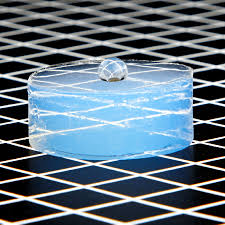
Aerogel Powder is the fundamental form of this revolutionary material, characterized by its extremely low density and high surface area. It serves as a critical additive for enhancing thermal properties in composites, plastics, coatings, and functional materials, bringing nano-scale insulation power to your formulations.
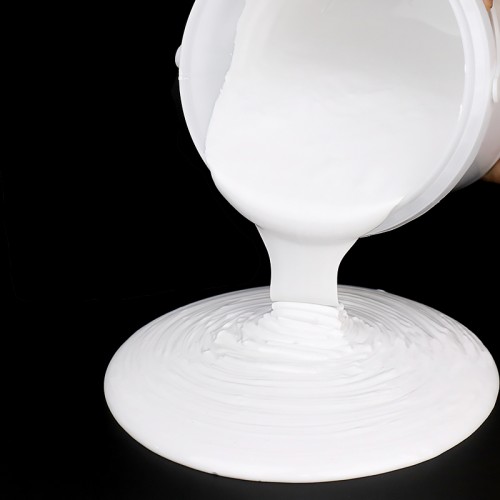
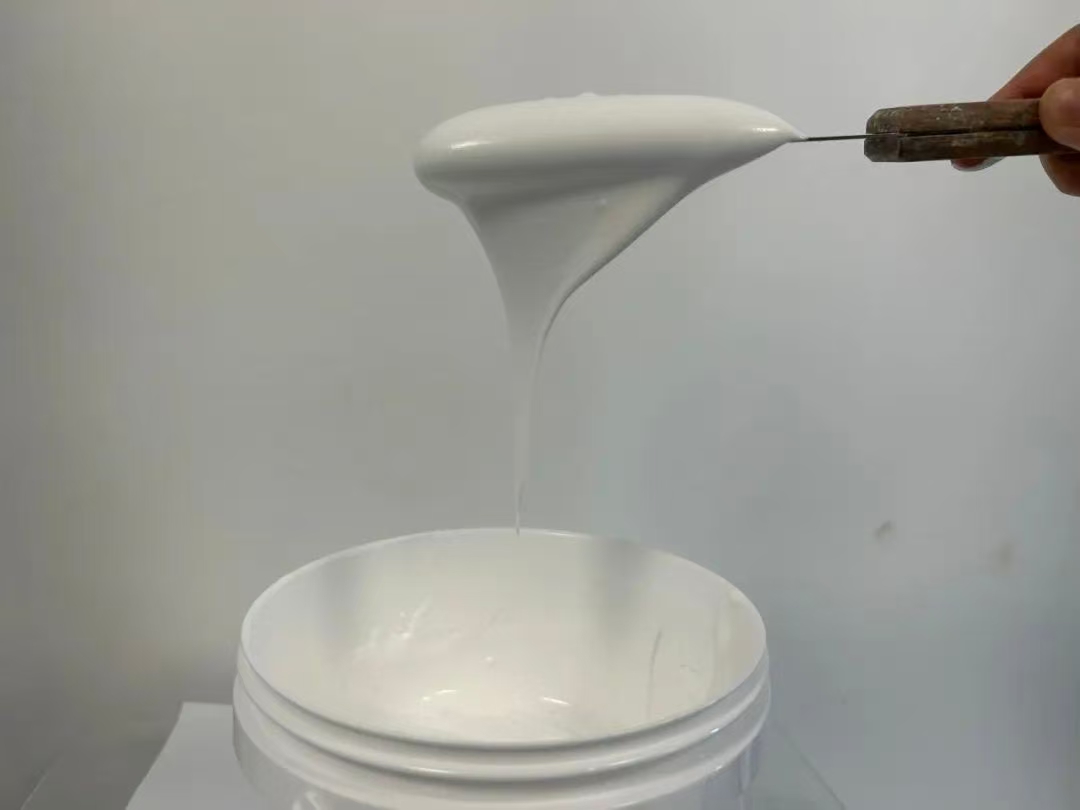
The Aerogel Thermal Insulation Coating integrates our proprietary powder into a robust, easy-to-apply solution. This coating provides exceptional thermal resistance, weatherproofing, and corrosion protection for pipes, tanks, and industrial structures. It is ideal for complex geometries where traditional insulation is impractical, sealing heat loss effectively.
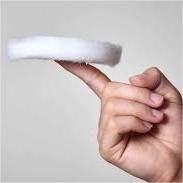
Our Aerogel Insulation Felts are flexible, durable blankets available in various thicknesses, densities, and dimensions to suit diverse applications. Combining the phenomenal insulating power of aerogel with a practical, roll-out format, they are perfect for high-temperature industrial piping, HVAC systems, building envelopes, and more. They offer maximum thermal efficiency with minimal space requirements.

Specifications of Low Thermal Conductivity Aerogel blanket Insulation Materials For Construction
Low thermal conductivity aerogel blanket insulation is a top choice for construction projects. This material keeps heat in very well. Its thermal conductivity is extremely low. This means it prevents heat from escaping buildings efficiently. Builders use it to make structures more energy-efficient. It helps reduce heating and cooling costs significantly.
The blankets come in various thicknesses. Common thicknesses range from 5mm to 20mm. The right thickness depends on the building design and local climate needs. Thicker blankets offer higher insulation performance. They provide better resistance against heat flow. Builders select the thickness based on specific project requirements.
Aerogel blankets handle a wide temperature range. They perform well in both very cold and very hot conditions. They stay stable from sub-zero temperatures up to several hundred degrees Celsius. This makes them suitable for diverse climates and building types. They work effectively in walls, roofs, and around pipes. They maintain their insulating properties across different seasons.
Fire safety is a critical feature. Aerogel insulation is non-combustible. It does not easily catch fire. It meets important building fire safety standards. This characteristic provides added protection for occupants. It helps prevent the spread of flames in case of a fire. Builders value this enhanced safety aspect.
Water resistance is another advantage. Aerogel materials repel moisture effectively. They do not absorb water easily. This prevents the insulation from getting wet and losing effectiveness. It stops mold growth inside walls. This contributes to healthier indoor air quality. It protects the building structure from water damage.
Installation is relatively straightforward. The blankets are flexible and easy to cut. Workers can fit them neatly into different spaces. They conform well to pipes and irregular surfaces. This ensures a tight fit and minimizes gaps. Proper installation maximizes energy savings and comfort inside the building. It creates a more consistent indoor temperature.
Applications of Low Thermal Conductivity Aerogel blanket Insulation Materials For Construction
Aerogel blanket insulation offers unique advantages for construction projects. This material has incredibly low thermal conductivity. This means it stops heat transfer extremely well. Builders find it valuable in many situations.
One common use is insulating walls. Traditional insulation takes up significant space. Aerogel blankets provide high performance in thin layers. This saves valuable interior room. You can achieve required insulation values without thick wall builds. This is ideal for renovations where space matters.
Roof applications benefit too. Aerogel withstands compression under heavy loads like snow. Its thin profile helps maintain ceiling height inside attics. Adding substantial insulation becomes possible without major structural changes. Energy savings increase noticeably.
Window and door installations are another key area. Gaps around frames cause significant heat loss. Thin aerogel strips seal these areas effectively. They fit into tight spaces where bulkier materials fail. Preventing drafts improves comfort and lowers heating bills.
Pipe and duct insulation is straightforward. Aerogel wraps easily around complex shapes. It maintains consistent temperatures for hot water lines and HVAC systems. Preventing condensation is critical. This insulation performs well in moist environments.
Historical building preservation relies on such materials. Thick insulation often damages original structures. Aerogel provides sufficient thermal protection minimally. Retrofitting becomes feasible without altering historic fabric. Protecting heritage while improving efficiency is achievable.
Builders appreciate the versatility. It works for new builds and retrofits. The thin layer fits behind existing finishes easily. Achieving modern energy standards in old buildings is simpler. Reducing heating and cooling costs is the main goal. This insulation helps meet that target effectively.
Company Profile
We are the global leader in lightweight concrete and advanced engineered foam solutions. Known globally for its commitment to research, innovation, and applied expertise, we have been providing engineered foam solutions since the early 2012’s.
We can supply high-quality concrete admixture and foam concrete related products all over the world.
The company has a professional technical department and quality supervision department, a well-equipped laboratory, and equipped with advanced testing equipment and after-sales customer service center.
If you are interested, please feel free and contact us.
Payment
T/T, Western Union, Paypal, Credit Card etc.
Shipment
By air, by sea, by express, as customers request.
5 FAQs of Low Thermal Conductivity Aerogel blanket Insulation Materials For Construction
What are low thermal conductivity aerogel blankets?
These are special insulation materials. They are made mostly from silica aerogel. Silica aerogel is a unique substance. It has very tiny pores. These pores trap air. Trapped air stops heat moving easily. The aerogel is mixed with fibers. This makes a flexible blanket. It is thin. It is also strong. It insulates buildings well.
Why pick aerogel over regular insulation?
Aerogel blankets are much thinner than old insulation. Old insulation needs thick layers. Aerogel gives the same insulation with less thickness. This saves space. It is very light too. It does not add heavy weight to structures. It handles high heat. It does not melt or burn easily. It lasts a long time. It does not break down fast.
Where do people use aerogel blankets in buildings?
Use them where space is tight. Walls are a good place. Roofs also need good insulation. Pipes get hot or cold. Cover pipes with aerogel to save energy. Windows sometimes leak heat. Aerogel helps stop this loss. It fits into small gaps easily. Older buildings need upgrades. Aerogel works well for this.
How long do aerogel blankets last?
They last many years. The material does not rot. Moisture does not ruin it. It stays flexible. It does not become brittle. It keeps its shape. It keeps insulating well. It needs little care. You rarely need to replace it. It offers good value over time.
Are aerogel blankets safe?
Yes, they are safe for building use. The silica material is non-toxic. It does not release harmful dust. It does not burn easily. Fire safety ratings are good. It works in many climates. Hot or cold weather is fine. It is safe around people.