Concrete-mesa | Concrete Admixtures, Tools, and Production Machines

Thermocol Raw Material Core Components Manufacturing Plants Pump Foam Machinery FIPFG Foam Sealing
PRODUCT PARAMETERS
Description
Overview of Thermocol Raw Material Core Components Manufacturing Plants Pump Foam Machinery FIPFG Foam Sealing
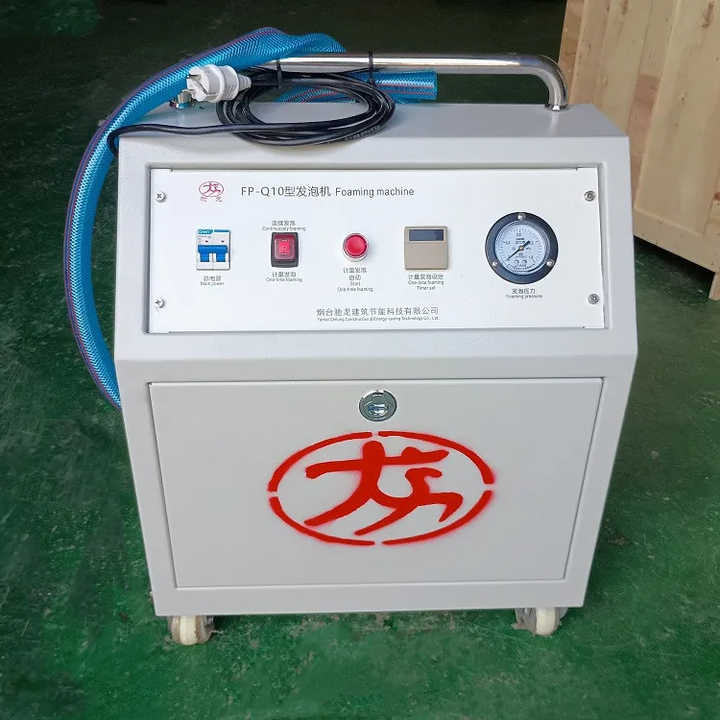
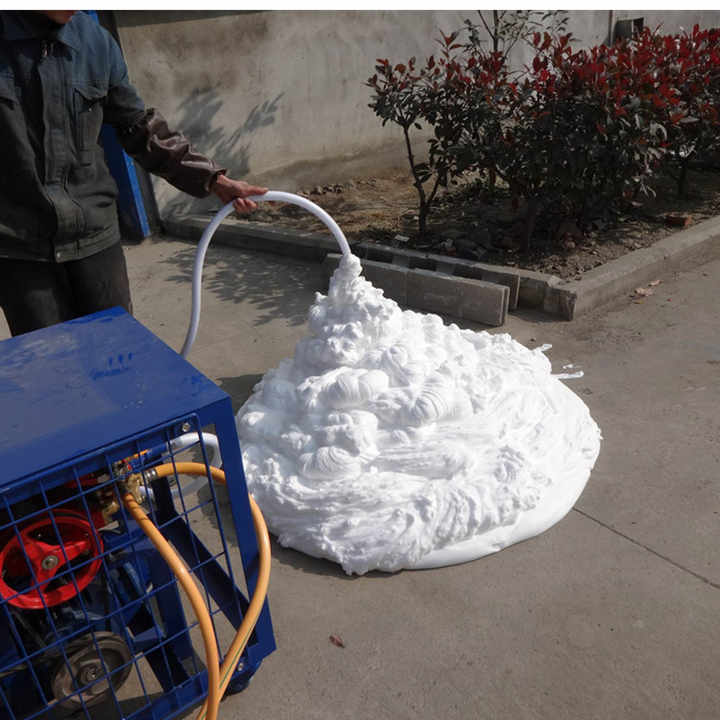
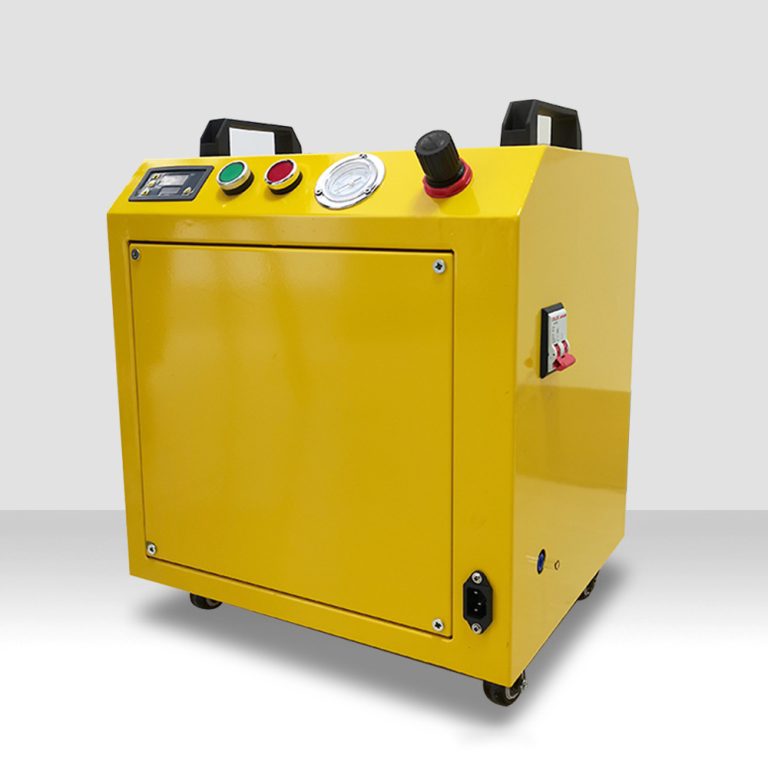
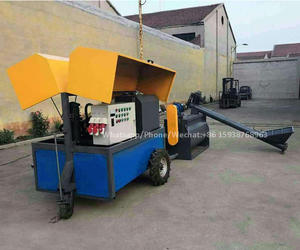
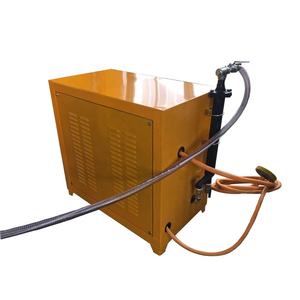
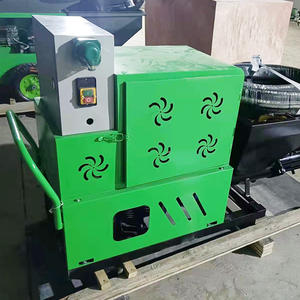
Thermocol Raw Material Core Components Manufacturing Plants Pump Foam Machinery FIPFG Foam Sealing is essential equipment for the production of foam concrete, a versatile building material used in a wide range of applications such as insulation, fireproofing, and lightweight construction. The foam generator is responsible for generating stable and consistent foam, which is mixed with cement to create foam concrete with specific properties. There are various types of foam generators, including manual, semi-automatic, and fully automatic models, each suitable for different production scales and material requirements. Proper maintenance and calibration of the generator are essential to ensure foam stability and mix uniformity. By choosing the right generator, manufacturers can ensure efficient production of high-quality foam concrete, meeting industry standards and customer needs.
Characteristics of Thermocol Raw Material Core Components Manufacturing Plants Pump Foam Machinery FIPFG Foam Sealing
High Foam Stability: Equipped with advanced foam-making technology, these generators produce stable, consistent foam, ensuring uniformity in the foam concrete mixture. This leads to better performance and durability of the final product.
Wide Foam Density Range: Concrete foam generators can produce a wide range of foam densities, from low-density foam for lightweight insulation panels to high-density foam for structural applications. This flexibility allows users to tailor foam concrete to their specific needs.
High Efficiency: Designed to optimize foam production, these generators deliver high output with minimal energy consumption. This makes them ideal for large-scale industrial production while maintaining cost-effectiveness.
Multiple Control Modes: Many foam generators offer adjustable control modes, such as manual, semi-automatic, or fully automatic operation. These modes can be selected based on production requirements and operator preference, ensuring precise control over foam quality.
Easy Operation and Maintenance: Concrete foam generators are designed with user-friendly interfaces and easy-to-follow instructions, making them simple to operate. Regular maintenance requirements are minimal, ensuring long-term, hassle-free performance.
Compact Design: Despite their powerful capabilities, these foam generators are typically compact and easy to install in existing production lines, optimizing space in industrial environments.
Durability and Reliability: Constructed from high-quality materials, concrete foam generators are built for long-term reliability and robust performance, even in demanding industrial environments. This ensures consistent output and reduced downtime.
Customizable Foam Output: The foam output can be adjusted according to the required consistency and volume, offering users the flexibility to meet varying production demands.
Environmental Friendly: Foam concrete production with these generators is environmentally friendly due to reduced energy usage and the ability to recycle waste materials, contributing to a more sustainable construction process.
Safety Features: Equipped with built-in safety measures, including overload protection, automatic shut-off functions, and fault detection alarms, concrete foam generators ensure safe operation and prevent damage during unexpected conditions.

Specification of Thermocol Raw Material Core Components Manufacturing Plants Pump Foam Machinery FIPFG Foam Sealing
Thermocol raw material core components form the foundation for expanded polystyrene (EPS) manufacturing plants. These plants use specialized equipment. The core material starts as tiny polystyrene beads. These beads contain pentane gas. The beads are expanded using steam. This makes them grow much larger. The expanded beads are then molded into shape. Heat and pressure fuse the beads together. This creates solid blocks or custom shapes. These shapes are the thermocol products people use.
Pump foam machinery is vital in this process. This machinery handles the raw beads. It moves them through different stages. Pumps transport beads into pre-expanders. Pre-expanders use steam to puff up the beads. Other pumps move the expanded beads to storage silos. More pumps feed the beads into molding machines. The molding machines shape the final products. Good pump systems ensure smooth production. They prevent blockages and maintain steady flow.
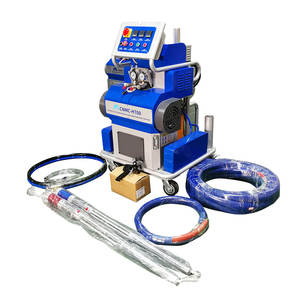
FIPFG Foam Sealing stands for Foam-In-Place-Foam Gasket. This is a different application. It involves applying liquid foam directly onto parts. Special machines mix liquid components. These components react quickly. They expand into a foam seal. The machine dispenses the foam precisely. It forms a custom gasket right where needed. This seals gaps effectively. It is used in automotive and appliance industries. It provides excellent sealing against dust, water, and noise. The machinery for FIPFG is highly automated. It ensures consistent and reliable seals every time.
Applications of Thermocol Raw Material Core Components Manufacturing Plants Pump Foam Machinery FIPFG Foam Sealing
Thermocol raw material core components manufacturing plants focus on creating expanded polystyrene foam products. They turn raw EPS beads into finished items. Specialized machinery handles the entire process. This equipment helps shape and form the foam efficiently.
Pump foam machinery is vital in these plants. It moves the liquid foam mixture accurately. This ensures consistent product quality. Operators control the flow and pressure easily. This machinery lets plants produce various foam shapes reliably.
FIPFG Foam Sealing systems are another key application. FIPFG stands for Foam-In-Place-Foam-Gasketing. These systems apply liquid foam directly onto parts. The foam expands quickly. It forms a tight, custom seal within seconds. This method seals enclosures perfectly.
Manufacturers use this sealing for electronics, appliances, automotive parts. It protects against dust, water, noise. The process is fast and automated. It reduces waste compared to cut gaskets. The foam adapts to any shape. This guarantees a complete seal every time.
The core component plants produce blocks, sheets, custom shapes. They also produce insulated packaging, construction panels, decorative items. The machinery includes pre-expanders, molds, cutting tools. Pump foam systems feed the molds precisely. They ensure even density throughout the product. This results in strong, lightweight foam items.
FIPFG machines integrate into assembly lines smoothly. Workers load the parts needing sealing. The machine dispenses the foam mixture. The part moves to the next station sealed and ready. This boosts production speed significantly. It offers a dependable sealing solution for complex geometries.
Company Profile
We are the global leader in lightweight concrete and advanced engineered foam solutions. Known globally for its commitment to research, innovation, and applied expertise, we have been providing engineered foam solutions since the early 2012’s.
We can supply high-quality concrete admixture and foam concrete related products all over the world.
The company has a professional technical department and quality supervision department, a well-equipped laboratory, and equipped with advanced testing equipment and after-sales customer service center.
If you are interested, please feel free and contact us.
Payment
T/T, Western Union, Paypal, Credit Card etc.
Shipment
By air, by sea, by express, as customers request.
5 FAQs of Thermocol Raw Material Core Components Manufacturing Plants Pump Foam Machinery FIPFG Foam Sealing
Here are 5 common questions about Thermocol raw material, core components, and the machinery used for manufacturing, especially FIPFG foam sealing:
What is Thermocol exactly? Thermocol is expanded polystyrene foam. Manufacturers start with small polystyrene beads. They use steam and pressure inside special machines to expand these beads. The expanded beads fuse together forming lightweight, insulating blocks or sheets. This material is widely used for packaging and insulation.
What are the core components of Thermocol manufacturing plants? The main machines needed are bead pre-expanders and block molding machines. Pre-expanders puff up the raw polystyrene beads using steam. Block molding machines take these expanded beads. They shape them into solid blocks using more steam and pressure. These blocks are then cut into sheets or custom shapes. Plants also need storage for raw materials and finished goods.
What does the pump foam machinery do? Pump foam systems handle liquid chemical mixtures. They pump these mixtures into molds. Inside the molds, the mixture expands and hardens into foam shapes. This method makes complex foam parts. It is different from expanding solid beads like Thermocol. This machinery is often used for polyurethane or similar foams.
What is FIPFG foam sealing? FIPFG stands for Foam-In-Place for Gasketing. It is a specific application. Machinery mixes two liquid chemicals. It sprays this mixture directly onto a part surface. The mixture expands rapidly forming a tight, custom foam seal or gasket. This creates seals on-site, eliminating the need for pre-made gaskets. It improves sealing efficiency.
What features are important in FIPFG machinery? Good FIPFG machines offer precise control. They control the mixing ratio of the chemicals perfectly. They control the flow rate accurately. They provide consistent application. Reliable temperature control is vital. The machine must also be easy to clean and maintain. This ensures consistent, high-quality seals every time.