Concrete4U | Concrete Admixtures, Tools, and Production Machines

Lightweight Foam Cement Machine in Construction Cement Foam Wall Insulation Concrete Panel Hollow Core Paneling Machinery
PRODUCT PARAMETERS
Description
Overview of Lightweight Foam Cement Machine in Construction Cement Foam Wall Insulation Concrete Panel Hollow Core Paneling Machinery
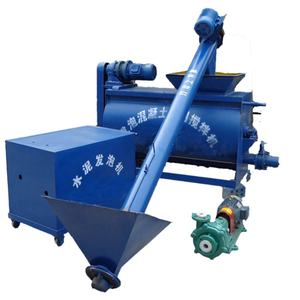
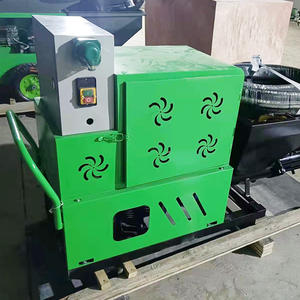
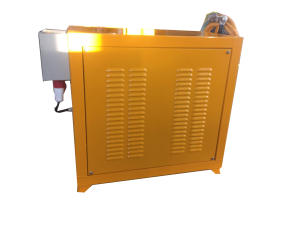
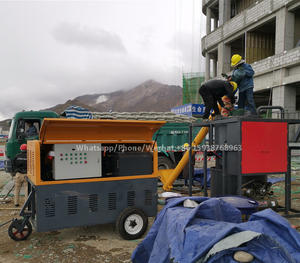
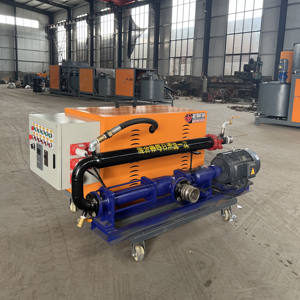
Lightweight Foam Cement Machine in Construction Cement Foam Wall Insulation Concrete Panel Hollow Core Paneling Machinery is essential equipment for the production of foam concrete, a versatile building material used in a wide range of applications such as insulation, fireproofing, and lightweight construction. The foam generator is responsible for generating stable and consistent foam, which is mixed with cement to create foam concrete with specific properties. There are various types of foam generators, including manual, semi-automatic, and fully automatic models, each suitable for different production scales and material requirements. Proper maintenance and calibration of the generator are essential to ensure foam stability and mix uniformity. By choosing the right generator, manufacturers can ensure efficient production of high-quality foam concrete, meeting industry standards and customer needs.
Characteristics of Lightweight Foam Cement Machine in Construction Cement Foam Wall Insulation Concrete Panel Hollow Core Paneling Machinery
High Foam Stability: Equipped with advanced foam-making technology, these generators produce stable, consistent foam, ensuring uniformity in the foam concrete mixture. This leads to better performance and durability of the final product.
Wide Foam Density Range: Concrete foam generators can produce a wide range of foam densities, from low-density foam for lightweight insulation panels to high-density foam for structural applications. This flexibility allows users to tailor foam concrete to their specific needs.
High Efficiency: Designed to optimize foam production, these generators deliver high output with minimal energy consumption. This makes them ideal for large-scale industrial production while maintaining cost-effectiveness.
Multiple Control Modes: Many foam generators offer adjustable control modes, such as manual, semi-automatic, or fully automatic operation. These modes can be selected based on production requirements and operator preference, ensuring precise control over foam quality.
Easy Operation and Maintenance: Concrete foam generators are designed with user-friendly interfaces and easy-to-follow instructions, making them simple to operate. Regular maintenance requirements are minimal, ensuring long-term, hassle-free performance.
Compact Design: Despite their powerful capabilities, these foam generators are typically compact and easy to install in existing production lines, optimizing space in industrial environments.
Durability and Reliability: Constructed from high-quality materials, concrete foam generators are built for long-term reliability and robust performance, even in demanding industrial environments. This ensures consistent output and reduced downtime.
Customizable Foam Output: The foam output can be adjusted according to the required consistency and volume, offering users the flexibility to meet varying production demands.
Environmental Friendly: Foam concrete production with these generators is environmentally friendly due to reduced energy usage and the ability to recycle waste materials, contributing to a more sustainable construction process.
Safety Features: Equipped with built-in safety measures, including overload protection, automatic shut-off functions, and fault detection alarms, concrete foam generators ensure safe operation and prevent damage during unexpected conditions.

Specification of Lightweight Foam Cement Machine in Construction Cement Foam Wall Insulation Concrete Panel Hollow Core Paneling Machinery
Here is the product content for the Lightweight Foam Cement Machine:
Our lightweight foam cement machine makes foam concrete panels efficiently. It mixes cement paste with stable foam. The cement paste comes from cement and water. The foam generator produces the foam. The machine combines these automatically. It controls the mix ratio precisely. This creates lightweight foam concrete. The foam concrete flows into molds easily. Then it sets into solid panels.
The machine produces foam with consistent density. The foam density ranges from 30 to 80 kg/m³. Operators adjust the density easily. Higher density gives stronger panels. Lower density gives better insulation. The cement-to-water ratio is important. Common ratios are 1:0.6 to 1:0.7. The machine maintains this ratio accurately. This ensures reliable material quality.
The foam concrete panels have many uses. They are perfect for wall insulation. They provide excellent thermal performance. They are also used for hollow core flooring. The panels are strong but very light. This reduces structural load. Handling and installation become simpler. Construction speed increases significantly.
The machine has a good production capacity. It makes about 10 cubic meters per hour. This meets typical project demands. It operates reliably with low maintenance needs. The control system is user-friendly. Operators learn it quickly. It requires standard electrical power. Setup is straightforward. It fits well in precast factories or construction sites. The machine ensures consistent panel quality batch after batch.
Applications of Lightweight Foam Cement Machine in Construction Cement Foam Wall Insulation Concrete Panel Hollow Core Paneling Machinery
Lightweight foam cement machines are important tools in modern construction. These machines make foam cement. They mix cement, water, and a special foaming agent together. Air gets trapped inside the mix. This creates a light, bubbly concrete material. Builders use this foam cement for several jobs.
Wall insulation is a major use. Foam cement gets pumped into wall cavities. It fills all the gaps and spaces completely. The air bubbles inside the cement act like tiny insulators. This significantly slows down heat transfer. Buildings stay warmer in winter. Buildings stay cooler in summer. Energy bills go down. The foam cement bonds tightly to the wall surfaces. This prevents drafts and air leaks.
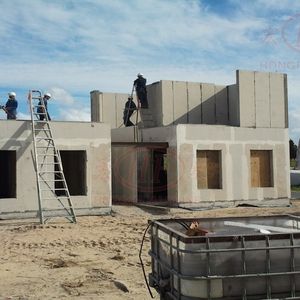
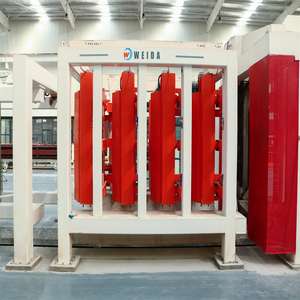
These machines also help make prefabricated concrete panels. Foam cement is poured into large molds. The molds shape the panels. Hollow core slabs often use this material. The foam cement flows easily into the hollow sections. It fills the complex mold shapes well. The finished panels are much lighter than solid concrete. Workers can handle and install them easier. Lifting equipment needs less power. Transport costs are lower. The foam core still provides good strength.
The foam cement itself has useful properties. It is not heavy like regular concrete. This reduces the total weight on building structures. Foundations can be smaller. The air bubbles give it natural thermal insulation. Builders often need less extra insulation material. The foam cement also blocks sound well. It helps create quieter rooms. The material is fire resistant too. It adds safety to buildings. Using a foam cement machine speeds up the process. It ensures a consistent foam mix every time. This leads to reliable results. Construction projects finish faster.
Company Profile
We are the global leader in lightweight concrete and advanced engineered foam solutions. Known globally for its commitment to research, innovation, and applied expertise, we have been providing engineered foam solutions since the early 2012’s.
We can supply high-quality concrete admixture and foam concrete related products all over the world.
The company has a professional technical department and quality supervision department, a well-equipped laboratory, and equipped with advanced testing equipment and after-sales customer service center.
If you are interested, please feel free and contact us.
Payment
T/T, Western Union, Paypal, Credit Card etc.
Shipment
By air, by sea, by express, as customers request.
5 FAQs of Lightweight Foam Cement Machine in Construction Cement Foam Wall Insulation Concrete Panel Hollow Core Paneling Machinery
What is a lightweight foam cement machine?
It makes special concrete. This concrete has bubbles inside. These bubbles make the concrete light. It is also good for keeping heat in or out. The machine mixes cement, water, and a special foam agent. This makes the foam concrete mix. This mix is used for walls, floors, and roofs. It saves money and time on building projects.
How does the foam cement machine work?
It mixes cement, water, and foam together. The machine has tanks for water and foam liquid. It also has pumps. The pumps push the liquids into the mixing area. The mixing area combines everything. The foam agent creates the bubbles. The result is a light, foamy concrete mixture. This mixture is then poured or pumped into molds or onto surfaces. The machine controls the mix. It makes sure the foam concrete is just right.
Where is this machine used?
It is used on building sites. It is used for walls, floors, and roofs. Builders use it for insulation panels. They also use it for hollow core panels. The foam concrete fills the hollow parts. It provides strength and insulation. This machine is common in big construction jobs. It is also used for smaller projects. It is useful anywhere you need lightweight, insulating concrete.
What are the key features of a good machine?
A good machine is reliable. It mixes the foam concrete evenly. It should be easy to operate. Controls should be simple. It must be tough for site conditions. Portability is a plus. A smaller machine can move around the site. Efficiency matters. It should do the job quickly. Durability is important. It needs to last. Look for good support from the supplier.
How do I choose the right machine?
Think about your project size. Big projects need a bigger machine. Small jobs need a smaller one. Check the machine’s output. How much foam concrete can it make per hour? Consider site space. Will the machine fit? Look at your power supply. Does it need electricity or a generator? Think about your budget. Good machines cost money. But they save money later. Ask about training. You need to know how to use it safely. Check for spare parts. You need them if something breaks.