Concrete-mesa | Concrete Admixtures, Tools, and Production Machines

Best Performance 1800 C Refractory Fibre Board Polycrystalline Mullite Insulation Ceramic Fiber Cotton Board
PRODUCT PARAMETERS
Description
Overview of Best Performance 1800 C Refractory Fibre Board Polycrystalline Mullite Insulation Ceramic Fiber Cotton Board
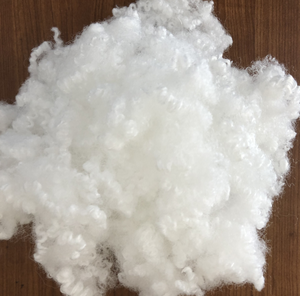
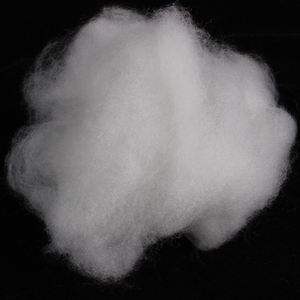
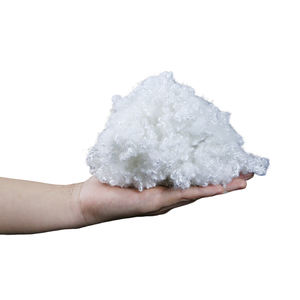
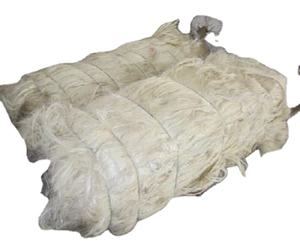
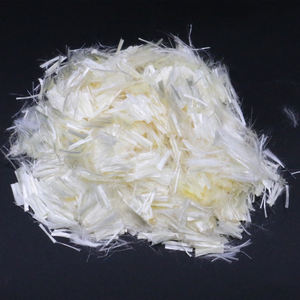
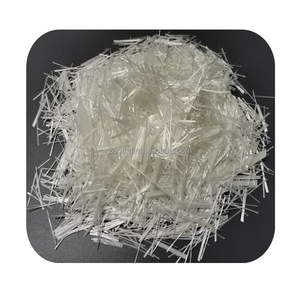
For high-impact resistance, we offer Steel Fibers, an ideal replacement for welded wire mesh in industrial floors and pre-cast elements. We also provide specialized Structural Synthetic Fibers that offer high tensile strength for demanding applications. These fibers are uniformly dispersed throughout the concrete mix, creating a multi-dimensional reinforcement network that traditional methods cannot achieve. This integrated approach simplifies construction, accelerates placement, and enhances the overall integrity and longevity of the concrete, providing a modern answer to age-old cracking and durability challenges.
Features of Best Performance 1800 C Refractory Fibre Board Polycrystalline Mullite Insulation Ceramic Fiber Cotton Board
1. Superior Crack Control and Enhanced Durability:
The primary feature of our fibers is their ability to bridge both micro-cracks that form during the plastic state and larger cracks in hardened concrete. This three-dimensional dispersion creates a more cohesive matrix that resists crack propagation. The direct benefit is a significant reduction in both plastic shrinkage cracking and long-term crack width. This leads to a much more durable concrete with lower permeability, which in turn enhances resistance to water ingress, freeze-thaw damage, and corrosion of any embedded steel. The result is a structure with a longer service life and reduced maintenance costs.
2. Increased Impact and Abrasion Resistance:
Fibers, particularly steel and robust synthetic macro fibers, dramatically improve the concrete’s toughness and post-crack performance. They absorb and distribute energy upon impact or loading. This feature provides the benefit of a more resilient surface that is less prone to spalling, chipping, and abrasion under heavy traffic or mechanical wear. This is a critical advantage for industrial floors, warehouse pavements, and infrastructure projects, leading to a harder-wearing surface that maintains its integrity over time.
3. Construction Efficiency and Cost Savings:
A key feature of using fiber reinforcement is the elimination of welded wire mesh (WWF) in many applications. This provides immense on-site benefits: it simplifies placement, as there is no mesh to be set up or potentially displaced, and it accelerates the entire construction process. By removing a labor-intensive step, projects see reduced labor costs and faster project timelines. The uniform distribution of fibers also ensures consistent reinforcement throughout the entire concrete section, unlike mesh, which can be improperly placed, leading to more reliable and predictable performance.

Specifications of Best Performance 1800 C Refractory Fibre Board Polycrystalline Mullite Insulation Ceramic Fiber Cotton Board
This insulation board deals with severe warmth. It works up to 1800 degrees Celsius. This is extremely hot. The product is unique. It utilizes polycrystalline mullite. Ceramic fiber cotton is also utilized. These materials make it strong. They make it last lengthy at heats. The board insulates well. Warmth avoids or stays in. This saves energy. Furnaces need this. Kilns require this. High-temperature tools requires this.
The board has reduced thermal conductivity. Warmth relocations slowly with it. This makes insulation better. It handles sudden temperature level adjustments well. It won’t split quickly. It won’t damage easily. This is thermal shock resistance. The board is lightweight. It has low bulk density. This makes installation simpler. Handling is easier. It sustains itself well. It has excellent chilly squashing toughness. The board can be reduced. It can be shaped. This fits different demands. Custom sizes are possible.
The fibers are fine. The board structure is uniform. Warm circulation is managed. Efficiency corresponds. It is chemically secure. It resists most chemicals. Heating system environments won’t damage it quickly. Corrosion is reduced. The board saves area. Less insulation product might be required. Furnace styles are a lot more reliable. Heating cycles are much faster. Gas expenses decrease. Maintenance costs go down. This product is trustworthy. It works for a long time. It is secure. It works. It operates in steel plants. It operates in glass factories. It works in petrochemical plants. It operates in ceramic kilns. It functions anywhere very high warmth exists.
Applications of Best Performance 1800 C Refractory Fibre Board Polycrystalline Mullite Insulation Ceramic Fiber Cotton Board
This insulation board handles extreme heat. It stands up to temperature levels approximately 1800 degrees Celsius. People call it the very best Efficiency 1800 C Refractory Fibre Board. It makes use of polycrystalline mullite and ceramic fiber cotton. This makes it really strong and secure. The board supplies exceptional thermal insulation. It keeps warm where you need it. Furnaces and kilns lose less energy. This saves money on fuel. The board is light-weight. Installation is easier than heavy bricks. Workers can put it quicker. It withstands sudden temperature level modifications well. Thermal shock doesn’t break it conveniently. The product lasts longer under tough conditions. You see this board in several sectors. Steel plants utilize it inside furnaces. Glass manufacturing facilities line their ovens with it. Petrochemical plants install it near reactors. Power generation centers put it around boilers. Factories apply it to thaw metal containers. It helps backup insulation layers also. The board reduces heat loss substantially. Manufacturing equipment remains hotter. Much less power gets wasted. Gas expenses drop. The product is simple to reduce and shape. Workers fit it around pipelines and weird shapes. This guarantees great insurance coverage everywhere. The board does not reduce a lot at high warmth. Heater cellular linings stay intact much longer. Upkeep prices decline. Chemical resistance is one more advantage. It does not respond terribly with heater environments. Corrosion is marginal. The board helps attain accurate temperature control. Regular heat boosts item quality. Industrial procedures run smoother.
Company Profile
We are the global leader in lightweight concrete and advanced engineered foam solutions. Known globally for its commitment to research, innovation, and applied expertise, we have been providing engineered foam solutions since the early 2012’s.
We can supply high-quality concrete admixture and foam concrete related products all over the world.
The company has a professional technical department and quality supervision department, a well-equipped laboratory, and equipped with advanced testing equipment and after-sales customer service center.
If you are interested, please feel free and contact us.
Payment
T/T, Western Union, Paypal, Credit Card etc.
Shipment
By air, by sea, by express, as customers request.
5 FAQs of Best Performance 1800 C Refractory Fibre Board Polycrystalline Mullite Insulation Ceramic Fiber Cotton Board
Customers often ask about our Best Performance 1800 C Refractory Fibre Board. Here are five common questions and their answers.
What is the highest temperature this board can handle? This board is made for very hot conditions. It can handle temperatures up to 1800 degrees Celsius continuously. It’s built to last under intense heat.
What is the board made from? The main material is polycrystalline mullite fibre. This is a special ceramic fibre known for its strength and heat resistance. It provides excellent insulation and stability. It’s much better than older types of fibre boards.
How do you install this board? You can cut it easily using regular woodworking tools. Fix it in place using ceramic anchors or special high-temperature adhesives. Make sure the surface is clean before sticking it down. Follow the maker’s instructions for the adhesive.
Where is this insulation board typically used? You see it in high-temperature industrial settings. It’s perfect for lining furnaces and kilns. It works well in thermal processing equipment too. It’s good anywhere needing strong heat insulation.
What thicknesses are available? We offer several thicknesses. Common sizes include 20mm, 25mm, 30mm, and 50mm. You can pick the thickness that fits your specific insulation needs. Thicker boards give better insulation performance.