Concrete-mesa | Concrete Admixtures, Tools, and Production Machines

Polypropylene Fiber Fibrillated Mesh Form for Construction Concrete and Mortar Model PP Fiber
PRODUCT PARAMETERS
Description
Overview of Polypropylene Fiber Fibrillated Mesh Form for Construction Concrete and Mortar Model PP Fiber
For high-impact resistance, we offer Steel Fibers, an ideal replacement for welded wire mesh in industrial floors and pre-cast elements. We also provide specialized Structural Synthetic Fibers that offer high tensile strength for demanding applications. These fibers are uniformly dispersed throughout the concrete mix, creating a multi-dimensional reinforcement network that traditional methods cannot achieve. This integrated approach simplifies construction, accelerates placement, and enhances the overall integrity and longevity of the concrete, providing a modern answer to age-old cracking and durability challenges.
Features of Polypropylene Fiber Fibrillated Mesh Form for Construction Concrete and Mortar Model PP Fiber
1. Superior Crack Control and Enhanced Durability:
The primary feature of our fibers is their ability to bridge both micro-cracks that form during the plastic state and larger cracks in hardened concrete. This three-dimensional dispersion creates a more cohesive matrix that resists crack propagation. The direct benefit is a significant reduction in both plastic shrinkage cracking and long-term crack width. This leads to a much more durable concrete with lower permeability, which in turn enhances resistance to water ingress, freeze-thaw damage, and corrosion of any embedded steel. The result is a structure with a longer service life and reduced maintenance costs.
2. Increased Impact and Abrasion Resistance:
Fibers, particularly steel and robust synthetic macro fibers, dramatically improve the concrete’s toughness and post-crack performance. They absorb and distribute energy upon impact or loading. This feature provides the benefit of a more resilient surface that is less prone to spalling, chipping, and abrasion under heavy traffic or mechanical wear. This is a critical advantage for industrial floors, warehouse pavements, and infrastructure projects, leading to a harder-wearing surface that maintains its integrity over time.
3. Construction Efficiency and Cost Savings:
A key feature of using fiber reinforcement is the elimination of welded wire mesh (WWF) in many applications. This provides immense on-site benefits: it simplifies placement, as there is no mesh to be set up or potentially displaced, and it accelerates the entire construction process. By removing a labor-intensive step, projects see reduced labor costs and faster project timelines. The uniform distribution of fibers also ensures consistent reinforcement throughout the entire concrete section, unlike mesh, which can be improperly placed, leading to more reliable and predictable performance.

Specifications of Polypropylene Fiber Fibrillated Mesh Form for Construction Concrete and Mortar Model PP Fiber
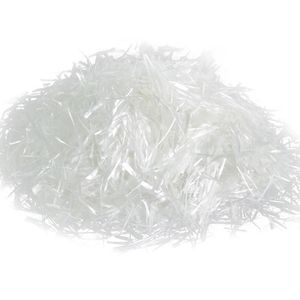
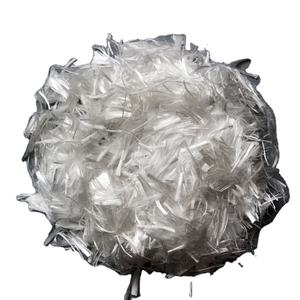
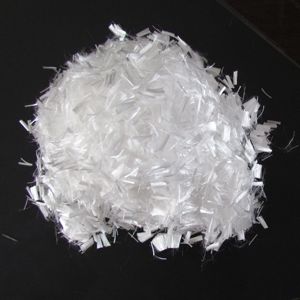
PP Fiber strengthens concrete and mortar. It is polypropylene fiber. The fiber has a fibrillated mesh kind. This unique shape helps it bond firmly with the mix. It improves performance dramatically.
The fiber is made from pure polypropylene. This material resists chemicals well. It does not corrosion. Alkalis in concrete do not damage it. The fiber stays strong for a long period of time. It lasts.
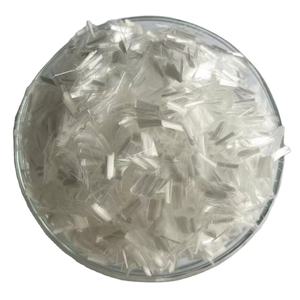
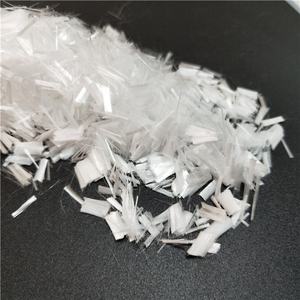
Typical fiber sizes prevail. Lengths like 12mm, 18mm, or 25mm are available. The size is little. The particular surface is huge. This aids the fiber spread uniformly. Good dispersion is important. It makes sure constant reinforcement throughout the concrete or mortar set.
PP Fiber enhances tensile stamina. It controls fracturing properly. It battles plastic shrinking splits. It lowers drying shrinkage cracks too. The fiber enhances impact resistance. It assists the product deal with shocks better. Longevity increases. The fiber stands up to deterioration.
Adding PP Fiber is simple. Mix it into the dry components first. Then add water. Adhere to typical blending procedures. The fiber collaborates with all common concrete admixtures. Compatibility is excellent. It does not cause troubles.
Usage PP Fiber in several jobs. Utilize it in flooring pieces. Use it in pavements. Utilize it in overlays. Utilize it in precast concrete aspects. Utilize it in shotcrete applications. Use it in masonry mortars. It is a functional item. It improves architectural stability across different uses. It provides trusted secondary reinforcement.
Applications of Polypropylene Fiber Fibrillated Mesh Form for Construction Concrete and Mortar Model PP Fiber
Polypropylene fiber in its fibrillated mesh kind is a prominent option for enhancing concrete and mortar. This fiber appears like a web. It obtains combined right into the concrete or mortar set. The mesh framework aids it spread out well. This also spread out is important. It strengthens the material throughout.
Adding this fiber aids manage fracturing. It holds things with each other when splits first begin. This quits little cracks from growing huge. It makes slabs and structures last much longer. The fiber likewise reduces surface water blood loss. Less water on the top methods a much better surface. It aids stop cleaning too.
This PP fiber mesh boosts influence resistance. Things like floorings or pavements deal with hits better. It improves sturdiness against freezing and thawing. This means less surface area molting in time. It includes toughness without needing hefty steel support. The fiber itself doesn’t corrosion. It won’t create staining.
Contractors use it in many locations. Industrial floors see a great deal of wear. Including this fiber helps them last. Pavements and pieces take advantage of the fracture control. Shotcrete and precast products get stamina. Repair mortars hold much better with the fiber blended in. Thin garnishes and overlays stick well and resist cracking. It’s a simple method to make concrete execute far better. Many professionals like it for reputable results. It’s about making structures stronger and longer long-term.
Company Profile
We are the global leader in lightweight concrete and advanced engineered foam solutions. Known globally for its commitment to research, innovation, and applied expertise, we have been providing engineered foam solutions since the early 2012’s.
We can supply high-quality concrete admixture and foam concrete related products all over the world.
The company has a professional technical department and quality supervision department, a well-equipped laboratory, and equipped with advanced testing equipment and after-sales customer service center.
If you are interested, please feel free and contact us.
Payment
T/T, Western Union, Paypal, Credit Card etc.
Shipment
By air, by sea, by express, as customers request.
5 FAQs of Polypropylene Fiber Fibrillated Mesh Form for Construction Concrete and Mortar Model PP Fiber
What is polypropylene fiber fibrillated mesh form used for in construction?
This fiber strengthens concrete and mortar. Builders add it to the mix. It helps stop cracks. It makes slabs and structures tougher. It fights against cracking from shrinking and temperature changes.
Why use this PP fiber instead of just regular concrete?
Concrete cracks easily as it dries and hardens. It also cracks under heavy loads or freeze-thaw cycles. This fiber helps hold it together. It reduces the number of cracks. It makes the concrete last longer. It also helps stop surface water and dust.
How does this fiber actually work inside the concrete?
The fiber looks like a net. It spreads out randomly in the mix. It forms a network. This network holds the concrete together. It stops cracks from starting. It also stops small cracks from getting bigger. This gives the concrete better toughness.
Is this PP fiber a replacement for steel rebar or mesh?
No, it is not a direct replacement. It works differently. Steel rebar handles big structural loads. This fiber handles micro-cracks and shrinkage. They are often used together. The fiber improves durability. It might let builders use less steel in some non-structural parts. Ask an engineer for advice on your project.
How much fiber do you add to the concrete mix?
The amount depends on the job. It depends on the concrete mix design. It depends on what strength you need. Common amounts are between 1.5 and 4.5 kilograms per cubic meter of concrete. Follow the supplier’s guidelines. Always mix it properly. Make sure it spreads evenly throughout the batch.