Concrete4U | Concrete Admixtures, Tools, and Production Machines

Factory Vacuum insulation panel/aerogel insulation for building materials

PRODUCT PARAMETERS
Description
Overview of Factory Vacuum insulation panel/aerogel insulation for building materials
Factory Vacuum insulation panel/aerogel insulation for building materials can meet the most demanding thermal insulation challenges across various industries. Our portfolio includes aerogel powder, aerogel thermal insulation coating, and aerogel insulation felts in various specifications, each engineered for superior performance.
Characteristics of Factory Vacuum insulation panel/aerogel insulation for building materials
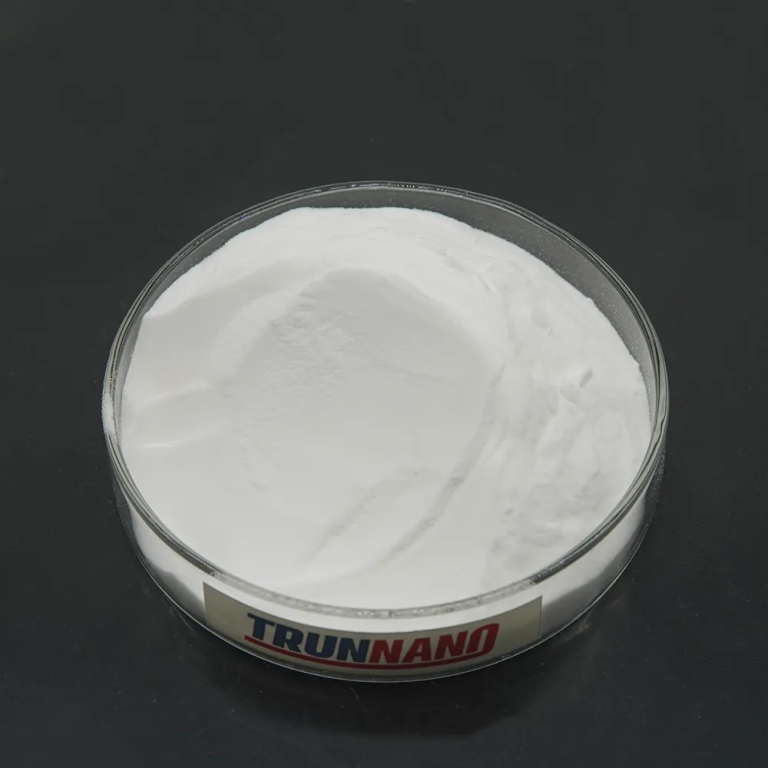
Aerogel Powder is the fundamental form of this revolutionary material, characterized by its extremely low density and high surface area. It serves as a critical additive for enhancing thermal properties in composites, plastics, coatings, and functional materials, bringing nano-scale insulation power to your formulations.
The Aerogel Thermal Insulation Coating integrates our proprietary powder into a robust, easy-to-apply solution. This coating provides exceptional thermal resistance, weatherproofing, and corrosion protection for pipes, tanks, and industrial structures. It is ideal for complex geometries where traditional insulation is impractical, sealing heat loss effectively.
Our Aerogel Insulation Felts are flexible, durable blankets available in various thicknesses, densities, and dimensions to suit diverse applications. Combining the phenomenal insulating power of aerogel with a practical, roll-out format, they are perfect for high-temperature industrial piping, HVAC systems, building envelopes, and more. They offer maximum thermal efficiency with minimal space requirements.

Specifications of Factory Vacuum insulation panel/aerogel insulation for building materials
Here are the specifications for factory-made vacuum insulation panels and aerogel insulation designed for building materials. These advanced insulation solutions offer superior thermal performance compared to traditional options.
Vacuum insulation panels, or VIPs, provide extremely high thermal resistance. Their core material is sealed inside an airtight envelope under vacuum. This vacuum stops heat flow effectively. VIPs are very thin, often just 20-40 millimeters thick. They achieve the same insulation level as much thicker fiberglass or foam. This thin profile saves valuable space inside walls and roofs. VIPs are rigid boards, easy to handle during construction. They offer excellent long-term thermal stability. VIPs need careful installation. Avoid puncturing the panel surface. Damaged panels lose vacuum and insulation power. Use VIPs where space is limited and high performance is critical.
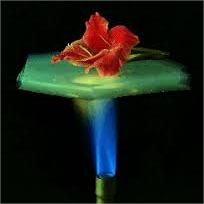
Aerogel insulation uses a unique silica-based material filled with tiny trapped air pockets. This structure gives aerogel very low thermal conductivity. Aerogel mats are flexible and easy to cut. They fit around pipes, ducts, and uneven surfaces well. Aerogel comes in thicknesses ranging from 5 to 20 millimeters typically. It adds minimal thickness to walls. Aerogel is naturally fire resistant. It does not burn easily. Aerogel is water repellent, resisting moisture damage. Aerogel needs a protective layer during construction. It can be fragile if handled roughly. Use aerogel for complex shapes and retrofit projects.
Both VIPs and aerogel significantly outperform standard insulation materials. They deliver high R-values per inch of thickness. This allows thinner building assemblies. Thinner walls mean more usable interior space. These materials help meet strict energy codes. They reduce heating and cooling costs effectively. Install them in walls, roofs, and foundations. They are suitable for new construction and renovation work. Proper installation is essential for optimal performance. Follow the manufacturer’s guidelines precisely.
Applications of Factory Vacuum insulation panel/aerogel insulation for building materials
Factory vacuum insulation panels (VIPs) and aerogel insulation offer big advantages for buildings. They are much thinner than old-style insulation like fiberglass. This saves valuable space. Builders like them because they provide top thermal performance without thick layers. They help keep buildings warm in winter and cool in summer. This saves energy and money on heating and cooling bills.
One key use is in exterior walls. VIPs and aerogels fit into tight wall cavities. They boost the wall’s R-value significantly. This means better heat retention. Walls stay warmer inside during cold weather. The insulation blocks heat loss effectively. This is crucial for energy efficiency standards. Builders achieve high performance without making walls overly thick.
Roofs also benefit greatly. Applying VIPs or aerogels under roofing materials improves thermal protection. It prevents heat from escaping upward. This keeps top floors comfortable. It also reduces strain on HVAC systems. Summer heat gain is minimized too. These materials work well in both new construction and re-roofing projects.
Floors need good insulation, especially above unheated spaces like garages or crawlspaces. VIPs and aerogels provide excellent underfloor insulation. They stop cold air from creeping up. This makes floors warmer underfoot. It contributes to overall building comfort. Energy loss through the floor slab is reduced.
Doors and windows present thermal challenges. VIPs and aerogels are perfect for insulating around frames and within door cores. They seal gaps efficiently. This cuts down drafts significantly. The thin profile allows for sleek designs. Manufacturers integrate them into high-performance windows and doors easily. Thermal bridging is minimized.
Existing buildings often need insulation upgrades. VIPs and aerogels are ideal for retrofits. Their thinness allows installation without major reconstruction. Interior or exterior applications are possible. They add substantial insulation value. Building owners improve comfort without losing interior space. Energy savings are noticeable quickly.
Company Profile
We are the global leader in lightweight concrete and advanced engineered foam solutions. Known globally for its commitment to research, innovation, and applied expertise, we have been providing engineered foam solutions since the early 2012’s.
We can supply high-quality concrete admixture and foam concrete related products all over the world.
The company has a professional technical department and quality supervision department, a well-equipped laboratory, and equipped with advanced testing equipment and after-sales customer service center.
If you are interested, please feel free and contact us.
Payment
T/T, Western Union, Paypal, Credit Card etc.
Shipment
By air, by sea, by express, as customers request.
5 FAQs of Factory Vacuum insulation panel/aerogel insulation for building materials
What are vacuum insulation panels and aerogel insulation? These are advanced building insulation materials. They are much thinner than traditional options like fiberglass. They provide superior thermal performance in a slim profile. This makes them ideal for space-limited applications.
How do these materials work differently? Vacuum insulation panels (VIPs) trap heat using a vacuum core inside a sealed envelope. Aerogel insulation uses a porous structure that hinders heat transfer extremely well. Both materials stop heat flow much more effectively than standard insulation. Their thermal conductivity is very low.
Where are VIPs and aerogel typically used? You find them where space is tight but high insulation is needed. Common uses include curtain walls, roofs, and around structural elements. They are perfect for renovations needing insulation without losing interior space. They also work well behind cladding systems.
Can I install these like regular insulation? Not exactly. VIPs require careful handling. They are fragile. You must avoid puncturing the vacuum seal. Aerogel is more flexible but still needs proper installation methods. Always follow the manufacturer’s specific guidelines. Improper installation reduces their effectiveness.
Do these insulation materials last long? Aerogel insulation generally offers good long-term stability. Its performance stays consistent over time. VIPs have a finite lifespan. The vacuum can slowly degrade over many years. This might slightly reduce their insulating power eventually. Consider the expected service life for your project.