Concrete4U | Concrete Admixtures, Tools, and Production Machines

Popular Construction Building Systems Insulated Exterior Wall Insulation Material Aerogel
PRODUCT PARAMETERS
Description
Overview of Popular Construction Building Systems Insulated Exterior Wall Insulation Material Aerogel
Popular Construction Building Systems Insulated Exterior Wall Insulation Material Aerogel can meet the most demanding thermal insulation challenges across various industries. Our portfolio includes aerogel powder, aerogel thermal insulation coating, and aerogel insulation felts in various specifications, each engineered for superior performance.
Characteristics of Popular Construction Building Systems Insulated Exterior Wall Insulation Material Aerogel
Aerogel Powder is the fundamental form of this revolutionary material, characterized by its extremely low density and high surface area. It serves as a critical additive for enhancing thermal properties in composites, plastics, coatings, and functional materials, bringing nano-scale insulation power to your formulations.
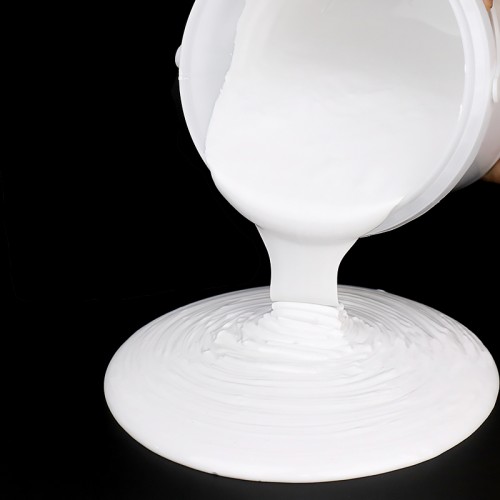
The Aerogel Thermal Insulation Coating integrates our proprietary powder into a robust, easy-to-apply solution. This coating provides exceptional thermal resistance, weatherproofing, and corrosion protection for pipes, tanks, and industrial structures. It is ideal for complex geometries where traditional insulation is impractical, sealing heat loss effectively.
Our Aerogel Insulation Felts are flexible, durable blankets available in various thicknesses, densities, and dimensions to suit diverse applications. Combining the phenomenal insulating power of aerogel with a practical, roll-out format, they are perfect for high-temperature industrial piping, HVAC systems, building envelopes, and more. They offer maximum thermal efficiency with minimal space requirements.

Specifications of Popular Construction Building Systems Insulated Exterior Wall Insulation Material Aerogel
Aerogel insulation stands apart in building and construction for outside wall surfaces. It gives impressive thermal efficiency. This material traps warm extremely well. Aerogel forms a super-light strong with great deals of tiny air pockets. These pockets block warmth transfer efficiently. Home builders value its slim account. Aerogel accomplishes high insulation values without taking much space. This suggests thinner wall surfaces. Architects obtain more usable inside area. Contractors find it simpler to deal with than bulkier options. Energy financial savings are considerable with aerogel. Buildings remain warmer in wintertime. They remain cooler in summer. Cooling and heating prices go down visibly.
This insulation deals with moisture well. It resists water absorption. Mold and mildew development is discouraged. Fire safety is another plus. Aerogel does not quickly burn. It includes defense to the building envelope. Setup is straightforward. Panels or coverings are common kinds. They suit basic wall surface assemblies. Compatibility with various other products is good. Aerogel works with steel framing, concrete, and wood structures. Lasting longevity is verified. The material holds its form. Insulation efficiency remains constant over years. Very little settling happens.
Key specs matter. Thermal resistance worths are high. R-values per inch frequently surpass 10. This defeats standard foam or fiberglass insulation. Density alternatives differ. Typical panels are 10mm or 20mm thick. Custom-made sizes are readily available. The material holds up against compression forces. Architectural stability continues to be strong. Temperature resistance is large. Aerogel performs from severe chilly to high heat. It matches all climate areas. Vapor leaks in the structure is flexible. Different formulas handle moisture diffusion in a different way. Constantly check the item information sheet for precise worths. Specific building ordinance need to be adhered to. Fire scores and various other certifications are crucial for conformity.
Applications of Popular Construction Building Systems Insulated Exterior Wall Insulation Material Aerogel
Aerogel is an advanced insulation material. It works well for outside walls in buildings. This material supplies extremely high thermal resistance. It maintains heat inside during winter season. It keeps warmth out during summer season. Aerogel is primarily air. Its structure traps air particles successfully. Heat struggles to move through it. This makes it a superb insulator. Aerogel panels are very thin. They provide high insulation values. This is a key benefit. Building contractors save area on walls. They accomplish called for power efficiency. Thinner wall surfaces indicate more usable interior area. Aerogel handles moisture well. It resists water absorption. This protects the building structure. Wetness damage is much less likely. The material is resilient in time. Aerogel insulation mounts easily. Employees use it straight to wall surface substratums. They can cover concrete, steel, or wood frameworks. The panels fit comfortably. They produce a constant thermal obstacle. This decreases heat loss places significantly. Cold bridges are decreased. Buildings stay warmer constantly. Energy costs reduce significantly. Passengers really feel more comfy. Aerogel is fire-resistant. It does not conveniently melt. This enhances structure security. The material satisfies rigorous fire codes. Architects specify aerogel for high-performance structures. They utilize it in offices, homes, and factories. Retrofitting old buildings is common too. Adding aerogel boosts existing wall surface insulation. The upgrade is effective and space-saving. This product uses a solid service for modern building requirements.
Company Profile
We are the global leader in lightweight concrete and advanced engineered foam solutions. Known globally for its commitment to research, innovation, and applied expertise, we have been providing engineered foam solutions since the early 2012’s.
We can supply high-quality concrete admixture and foam concrete related products all over the world.
The company has a professional technical department and quality supervision department, a well-equipped laboratory, and equipped with advanced testing equipment and after-sales customer service center.
If you are interested, please feel free and contact us.
Payment
T/T, Western Union, Paypal, Credit Card etc.
Shipment
By air, by sea, by express, as customers request.
5 FAQs of Popular Construction Building Systems Insulated Exterior Wall Insulation Material Aerogel
Aerogel insulation is a special material for insulating walls. It is made mostly of air trapped in a gel. This gel is dried to become a solid. It feels light and looks like a foam. People use it on the outside walls of buildings. It keeps heat inside very well. It stops cold air from getting in. This material works much better than older insulation types. It is also much thinner than fiberglass or foam boards. You need less space on your wall for the same warmth.
Why choose aerogel over other insulation? Aerogel has the best thermal performance. It provides the highest R-value per inch. R-value measures how well something blocks heat flow. A high R-value means better insulation. Aerogel gives a lot of warmth in a thin layer. Other materials need more thickness to work as well. This saves space on the building. Aerogel is also very strong. It resists crushing and lasts a long time. It does not absorb water easily. Water ruins many other insulations. Aerogel keeps its insulating power even when wet.
How thick does aerogel insulation need to be? The thickness depends on the climate and building rules. Warmer places need less insulation. Colder places need more. Aerogel panels are usually thin. They often measure between 10mm and 50mm thick. This thinness is a big advantage. It lets builders add insulation without changing the building’s look. It also saves interior space. Even thin layers stop a lot of heat loss. A professional can tell you the right thickness for your project.
How is aerogel insulation installed? Workers attach it directly to the outside wall surface. They use special adhesives or mechanical fasteners. The panels are placed tightly together. Gaps let heat escape. After fixing the panels, workers cover them. They apply a protective render or cladding system. This outer layer shields the aerogel from weather and damage. Installation needs care and trained workers. Proper installation is key for good performance.
What is the cost of aerogel insulation? Aerogel costs more than standard insulation materials. You pay more upfront for the material itself. But it saves money over time. Its superior insulation lowers heating and cooling bills significantly. These energy savings offset the higher initial cost. The thin profile can also reduce other construction costs. It might mean smaller foundations or less structural material. Consider both the purchase price and the long-term savings.