Concrete4U | Concrete Admixtures, Tools, and Production Machines

foam machine EPS construction block styrofoam production line machinery icf building blocks insulated concrete forms block icf
PRODUCT PARAMETERS
Description
Overview of foam machine EPS construction block styrofoam production line machinery icf building blocks insulated concrete forms block icf
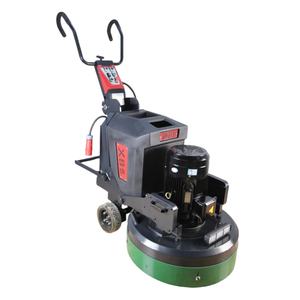
foam machine EPS construction block styrofoam production line machinery icf building blocks insulated concrete forms block icf is essential tools for surface preparation in construction and renovation projects. They are used to smooth, level, and polish concrete floors by removing imperfections, stains, adhesives, and coatings. With varying sizes and configurations, they cater to different grinding needs, whether for light-duty residential tasks or heavy-duty industrial applications. Equipped with multiple grinding attachments, dust control systems, and adjustable settings, concrete grinders provide a versatile and effective solution for achieving high-quality, durable floor finishes. Available in both manual and electric models, these grinders are designed to deliver superior results, reducing time and labor costs while ensuring the safety and cleanliness of the worksite.
Characteristics of foam machine EPS construction block styrofoam production line machinery icf building blocks insulated concrete forms block icf
Efficient Grinding Performance: Concrete grinders are designed for high-speed, efficient grinding and polishing of concrete surfaces, allowing for faster completion of projects while maintaining high-quality finishes.
Versatile Applications: Whether you’re preparing surfaces for new flooring, polishing existing concrete, or removing coatings like epoxy and adhesives, these grinders can handle it all. They are suitable for both residential and commercial use.
Dust-Free Operation: Many concrete grinders come with built-in dust collection systems that capture dust during operation, ensuring a cleaner and safer work environment by reducing airborne particles.
Adjustable Grinding Settings: With customizable settings, operators can adjust the grinder to suit specific surface conditions and desired outcomes, ensuring precision in depth control and uniformity.
Multiple Grinding Attachments: Concrete grinders often feature interchangeable diamond and abrasive discs, providing flexibility to tackle different types of surface work, such as light grinding, heavy grinding, or polishing.
Ergonomic Design: Designed with user comfort in mind, these grinders are equipped with ergonomic handles and adjustable heights, reducing operator fatigue and making it easier to handle during extended use.
Durability and Reliability: Constructed from high-quality, durable materials, concrete grinders are built to withstand the rigors of industrial use, offering long-lasting performance with minimal maintenance.
Compact and Portable: Many models are compact and lightweight, making them easy to transport and maneuver around job sites, even in tight spaces or for small-scale projects.
Safety Features: To ensure safe operation, these grinders include essential safety features such as overload protection, automatic shut-off, and sturdy, non-slip handles, reducing the risk of accidents.
Cost-Effective: With low maintenance requirements and long service life, concrete grinders offer an excellent return on investment, making them a cost-effective solution for contractors and flooring professionals.

Specification of foam machine EPS construction block styrofoam production line machinery icf building blocks insulated concrete forms block icf
This machinery makes EPS construction blocks. It uses expanding polystyrene beads. Workers feed raw grains into a pre-expander. Steam heats up the beads inside. The grains expand lot of times bigger. This makes pre-expanded EPS grains. Employees store these beads to remainder. Then they move the grains to block molds. The molds allow steel boxes. Workers fill the molds with the beads. Vapor gets in the molds once again. The vapor cooks the grains. The beads fuse together snugly. This forms huge, solid EPS blocks. Employees cool the blocks fast. After that they open the mold and mildews. They take the large EPS shuts out. Employees move the blocks to a reducing area. Warm wire cutting makers shape the blocks. The cords reduced the blocks precisely. The blocks end up being details dimensions. These are the finished ICF blocks. ICF implies protected concrete kinds. These blocks are for developing wall surfaces. Employees stack the blocks on website. The blocks secure with each other easily. Workers pour concrete right into the center. The concrete sets hard. The EPS foam stays on both sides. This creates a solid, protected wall surface. The machinery requires heavy steam central heating boilers. It needs air compressors. It requires storage space silos for beads. Workers regulate the process. The equipments make regular blocks. The blocks have good insulation. They make constructing quicker. This line generates the core product for ICF building.
Applications of foam machine EPS construction block styrofoam production line machinery icf building blocks insulated concrete forms block icf
This foam device makes EPS building obstructs. Individuals utilize these blocks for developing protected concrete forms. The assembly line begins with tiny plastic beads. These grains enter into a pre-expander device. Heavy steam heats the grains inside. The grains expand like popcorn. They become much larger. This makes expanding polystyrene foam grains.
The broadened beads require time to rest. They support. Then employees relocate them to a block mold and mildew machine. The machine fills up a large mold and mildew form with the loose grains. Steam fires into the mold and mildew once again. This warmth makes the grains melt somewhat. They stick together strongly. The steam likewise forms the block. The mold and mildew holds the block under pressure. This pressure makes certain the block forms properly. The block cools down inside the mold and mildew. Cooling down sets the final shape.
Workers remove the big foam block. It needs much more drying out time. The block remedies entirely. Then it transfers to a reducing terminal. Large warm cord makers cut the large block. They slice it into specific smaller sized shapes. These forms are ICF building blocks. ICF indicates Protected Concrete Forms.
The finished ICF blocks have unique styles. They interlace easily. Builders stack them quick on website. The blocks develop hollow wall surfaces. Workers position steel support bars inside the walls. Then they pour concrete right into the hollow area. The concrete fills up the forms. The foam blocks remain in location. They end up being long-term insulation. This creates strong, energy-efficient wall surfaces. The foam insulates the concrete. It keeps warmth inside structures. This system is popular for houses and various other structures. The machinery generates these vital blocks effectively. The process transforms raw grains into ready building parts. Builders get trusted products for contemporary construction.
Company Profile
We are the global leader in lightweight concrete and advanced engineered foam solutions. Known globally for its commitment to research, innovation, and applied expertise, we have been providing engineered foam solutions since the early 2012’s.
We can supply high-quality concrete admixture and foam concrete related products all over the world.
The company has a professional technical department and quality supervision department, a well-equipped laboratory, and equipped with advanced testing equipment and after-sales customer service center.
If you are interested, please feel free and contact us.
Payment
T/T, Western Union, Paypal, Credit Card etc.
Shipment
By air, by sea, by express, as customers request.
5 FAQs of foam machine EPS construction block styrofoam production line machinery icf building blocks insulated concrete forms block icf
Here are common questions about our foam machine EPS construction block production lines for ICF building blocks:
What determines the cost of a full EPS block production line? Several factors affect the price. The main factors are production capacity and automation level. High-output machines cost more. Custom features add expense. The choice of auxiliary equipment matters too. Request a detailed quote based on your specific needs.
Can the machine produce different block sizes and shapes? Yes. Our machines are designed for flexibility. Standard models make common ICF block sizes. Custom molds create unique shapes and dimensions. This allows various insulated concrete form designs. Changing molds is usually straightforward.
What maintenance does the EPS foam machinery need? Regular upkeep is crucial. Daily checks ensure smooth operation. Weekly cleaning prevents foam buildup. Key parts like cutters and steam systems need periodic inspection. Follow the maintenance schedule strictly. Proper care extends machine life and prevents costly downtime.
How many ICF blocks can one production line make per day? Output depends heavily on the machine model. Smaller lines produce several hundred blocks daily. Larger, automated systems make thousands per shift. Block size and thickness also impact daily totals. Discuss your volume targets with our engineers for the best match.
Why choose your machines specifically for ICF blocks? Our lines are engineered for ICF requirements. They deliver precise density control essential for insulation. The cutting systems ensure perfect interlocking edges. Consistent block quality is guaranteed. This results in strong, energy-efficient insulated concrete forms.