Concrete4U | Concrete Admixtures, Tools, and Production Machines

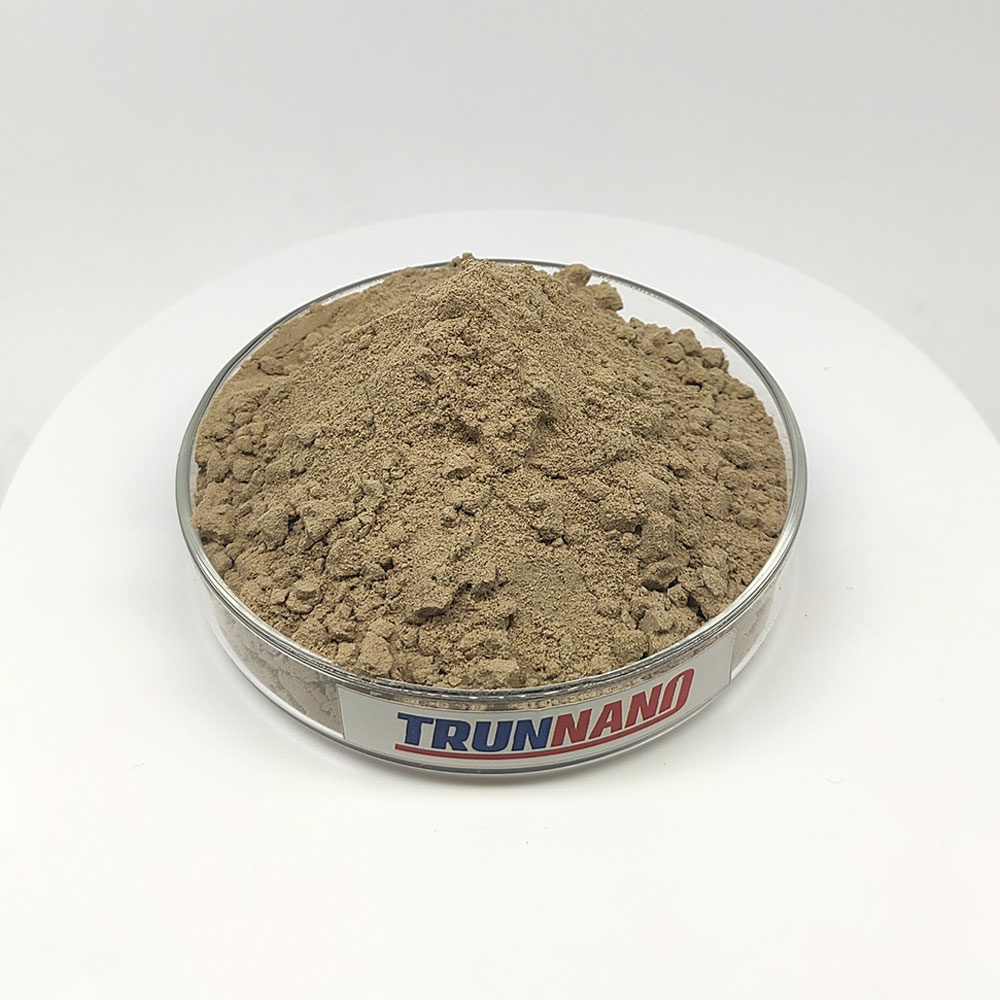
Cement additives Whole Cement concrete can be redispersible polymer powder additives
PRODUCT PARAMETERS
Description
Overview of Cement additives Whole Cement concrete can be redispersible polymer powder additives
Cement additives Whole Cement concrete can be redispersible polymer powder additives is chemical compounds added to concrete mixtures to improve various properties of the material, such as workability, strength, durability, and curing time. These additives include plasticizers, retarders, accelerators, waterproofing agents, and air-entraining agents, each designed to meet specific needs in concrete production. Concrete additives are commonly used in both commercial and residential construction, as well as in the production of precast and ready-mix concrete. By enhancing the performance and quality of concrete, these additives help improve the overall efficiency of construction projects while ensuring the durability and longevity of the finished structure. They are easy to incorporate into the mix and provide cost-effective solutions for optimizing concrete properties in a wide range of applications.
Characteristics of Cement additives Whole Cement concrete can be redispersible polymer powder additives
Enhanced Strength: Concrete additives can significantly increase the compressive strength of concrete, making it more resilient to pressure and stress. This ensures the longevity and durability of structures, reducing the likelihood of cracking or failure.
Improved Workability: Additives such as plasticizers and superplasticizers improve the flowability and consistency of concrete, making it easier to handle, pour, and finish. This enhances productivity on the construction site and reduces labor costs.
Faster Curing: Accelerators, a type of concrete additive, help speed up the curing process, allowing for quicker setting times and faster completion of projects. This is especially useful in cold weather or when fast-tracking construction timelines.
Increased Durability: Many additives, like water-reducing agents and waterproofing compounds, increase the resistance of concrete to harsh environmental conditions such as freeze-thaw cycles, water ingress, and chemical exposure, ensuring long-term performance.
Better Adhesion and Bonding: Certain additives improve the bonding between the concrete and other materials, such as reinforcing steel or aggregates, enhancing the overall structural integrity and reducing the chances of delamination or separation.
Versatility for Various Applications: Concrete additives are highly versatile and can be used in a wide range of applications, from residential buildings to large-scale infrastructure projects. They are formulated to meet specific needs such as high-strength concrete, self-compacting concrete, or durable concrete for extreme conditions.
Cost-Efficient: By improving the quality and performance of concrete, additives reduce the need for additional maintenance and repairs, leading to significant cost savings in the long term. Additionally, they help optimize the mix design, reducing material waste.
Environmentally Friendly: Many modern concrete additives are formulated with eco-friendly ingredients, contributing to more sustainable construction practices. These additives help minimize the carbon footprint and improve the environmental performance of the concrete.
Enhanced Surface Finish: Additives like air-entraining agents can improve the finish and appearance of concrete by preventing defects like cracking, honeycombing, or surface dusting, ensuring a smooth, professional-grade surface.

Specification of Cement additives Whole Cement concrete can be redispersible polymer powder additives
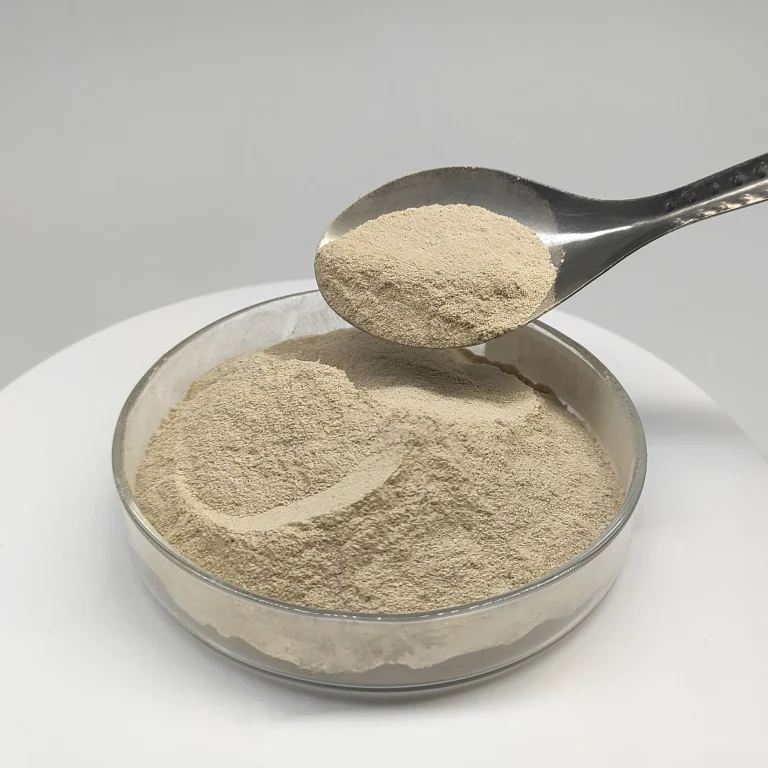
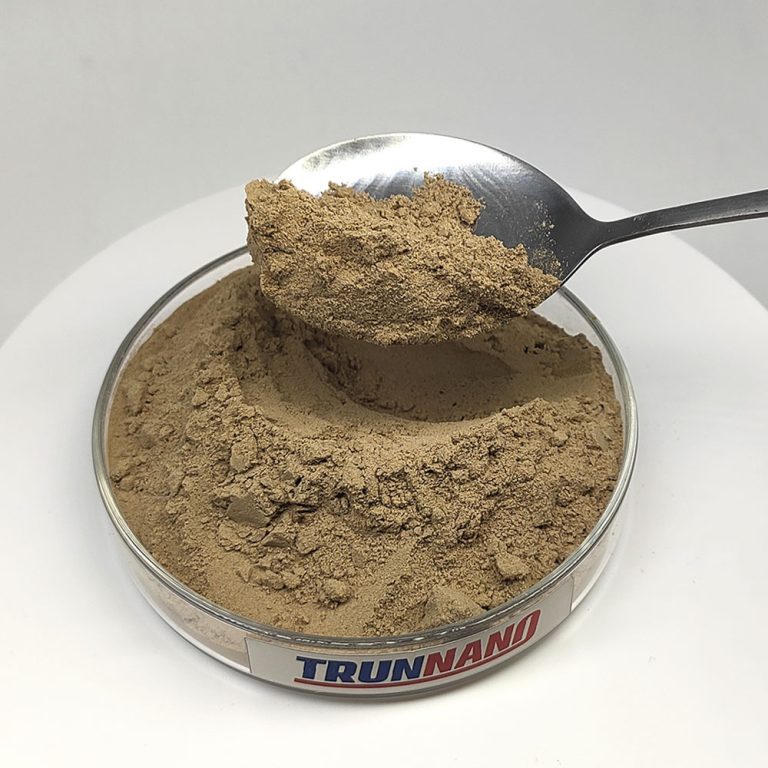
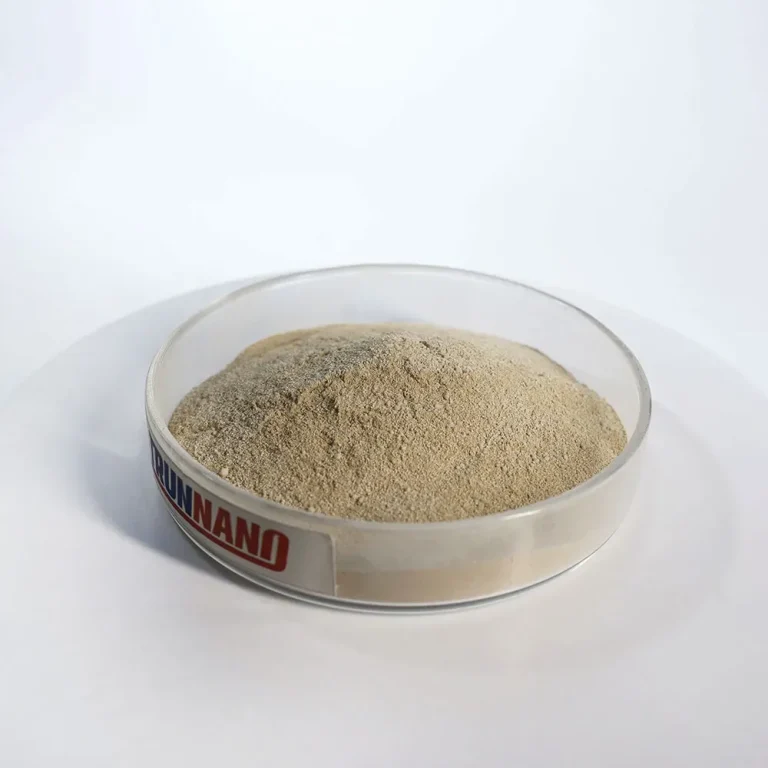
Cement additives boost concrete performance. Redispersible polymer powder additives are a popular choice. They are dry powders that easily mix into cement. When water is added, these powders redisperse. They form a polymer film throughout the concrete. This film acts like glue. It binds everything together better.
The polymer film makes concrete tougher. It improves flexibility. Concrete becomes less brittle. It can handle stress better. This helps prevent cracking. Cracks are a big problem in concrete. The polymer film bridges small cracks. It stops them from getting bigger.
Adhesion improves significantly with these additives. Concrete sticks much better to surfaces. This is vital for repair mortars. It helps tiles stick securely too. Water resistance gets a major upgrade. The polymer film reduces water penetration. This protects concrete from damage. Freeze-thaw cycles cause less harm. Concrete lasts longer outdoors.
These powders are easy to use. They are added dry to the cement mix. No extra steps are needed. They work with standard mixing methods. Workers don’t need special training. This makes them practical on the job site.
Common applications include tile adhesives. They are used in exterior insulation systems. Repair mortars often contain them. Self-leveling floor compounds use them. Waterproofing renders benefit greatly. The polymer film enhances overall durability. The concrete structure becomes more reliable. Maintenance needs decrease over time.
Applications of Cement additives Whole Cement concrete can be redispersible polymer powder additives
Cement additives change how cement and concrete work. Redispersible polymer powder is one important kind. These powders mix into cement and concrete. They make things better. Builders use them for many jobs.
One big reason is sticking power. The polymer helps cement stick to old surfaces. Fixing old concrete becomes easier. It helps cement stick to tricky things like tiles too. Tiling work uses this a lot. The bond gets much stronger.
These powders also help with flexibility. Normal cement cracks easily. It’s too stiff. Adding polymer powder changes that. The mix can bend a little without breaking. This is good for places that move. It helps outside walls handle weather changes. Floors that get walked on a lot last longer.
Water resistance is another big plus. Water often damages cement. The polymer forms a protective film. This keeps water out. Bathrooms and wet areas need this. Basements stay drier. Concrete surfaces last longer outside.
Workability improves too. Builders find the mix easier to handle. It spreads better and sticks to tools less. Finishing surfaces is smoother. This saves time and effort on the job site.
Durability gets a boost. The concrete becomes tougher. It resists everyday wear better. Floors in busy places like stores hold up. Roads and driveways handle traffic longer. Abrasion damage is less.
Curing speed can be faster sometimes. The polymer helps the concrete gain strength quicker. Projects might finish sooner. This is helpful when time is tight.
These polymer powders are very useful additives. They solve common cement problems. Builders get better results. The finished work performs well for years.
Company Profile
We are the global leader in lightweight concrete and advanced engineered foam solutions. Known globally for its commitment to research, innovation, and applied expertise, we have been providing engineered foam solutions since the early 2012’s.
We can supply high-quality concrete admixture and foam concrete related products all over the world.
The company has a professional technical department and quality supervision department, a well-equipped laboratory, and equipped with advanced testing equipment and after-sales customer service center.
If you are interested, please feel free and contact us.
Payment
T/T, Western Union, Paypal, Credit Card etc.
Shipment
By air, by sea, by express, as customers request.
5 FAQs of Cement additives Whole Cement concrete can be redispersible polymer powder additives
People have questions about redispersible polymer powder additives for cement concrete. Here are answers to the most common ones.
What exactly is redispersible polymer powder? It’s a special powder made from polymers. You mix it dry into cement or mortar blends. When you add water later, this powder turns back into a sticky polymer. This helps bind everything together better.
How do you use this powder additive? It’s simple. Just add the powder directly to your dry cement mix. Blend everything thoroughly. Add water when you’re ready to make concrete or mortar. The powder dissolves and spreads evenly through the wet mix.
Why add this powder to concrete? It makes concrete better. The polymer film makes the concrete stickier. It improves flexibility. It reduces cracking. It helps the concrete resist water better. This makes concrete stronger and longer-lasting.
Is dry powder better than liquid additives? Yes, often it is. Liquid polymer additives are messy. They are harder to mix evenly. Powder is easier to handle and store. Powder mixes more uniformly with dry cement. You get consistent results batch after batch.
How should you store this powder? Keep it cool and dry. Store bags off the floor. Use sealed bags. Use it before the expiry date printed on the bag. Old powder might not work as well. Proper storage keeps the powder good for use.