Concrete-mesa | Concrete Admixtures, Tools, and Production Machines

Concrete Reinforcement/Cellulose Fiber Road Construction House Insulation
PRODUCT PARAMETERS
Description
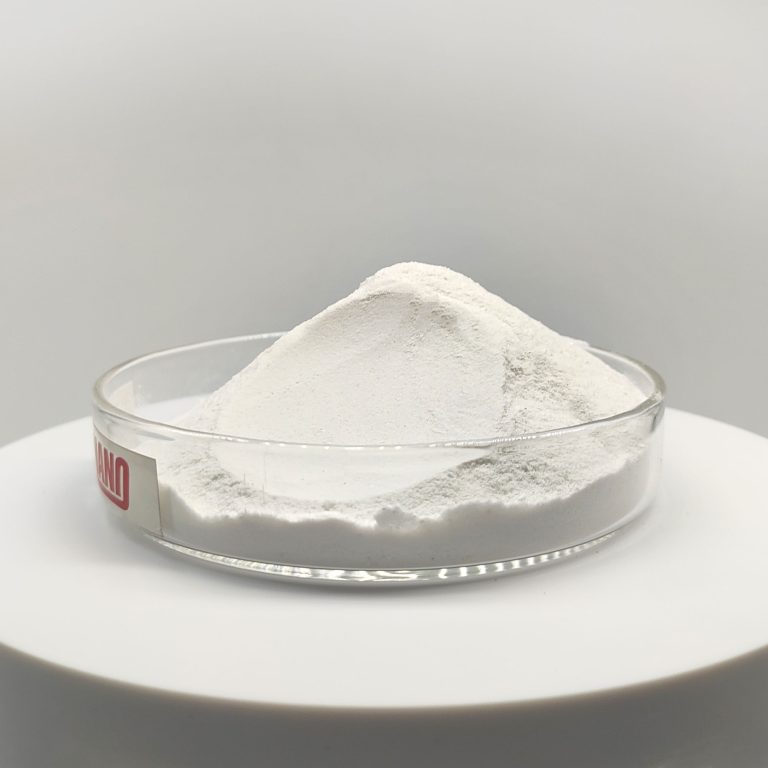
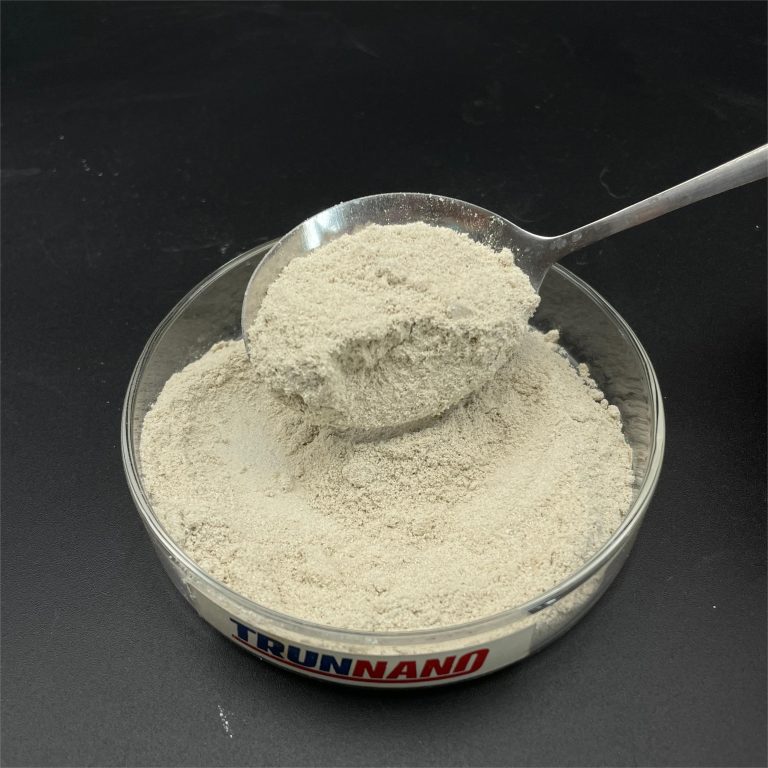
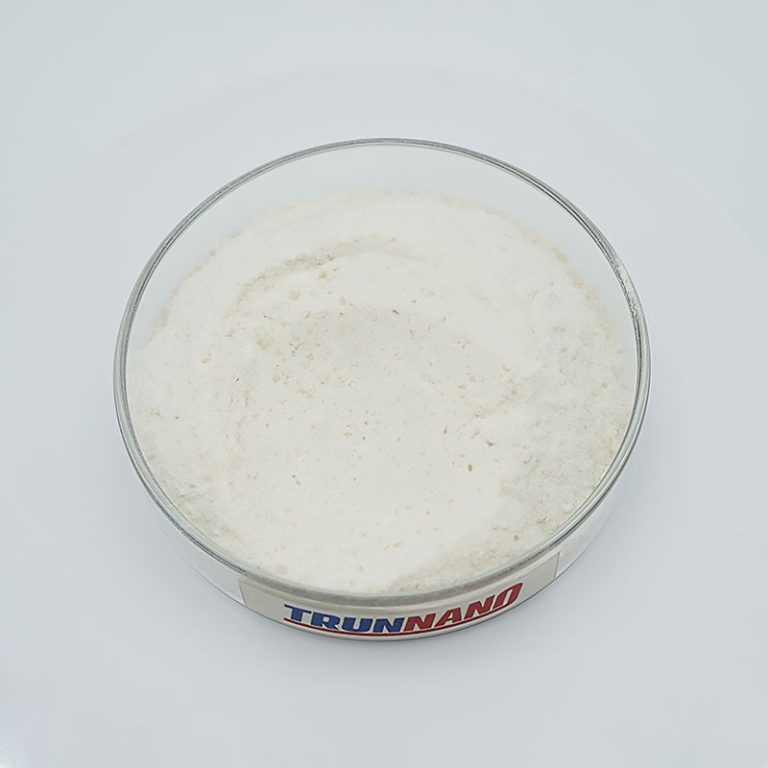
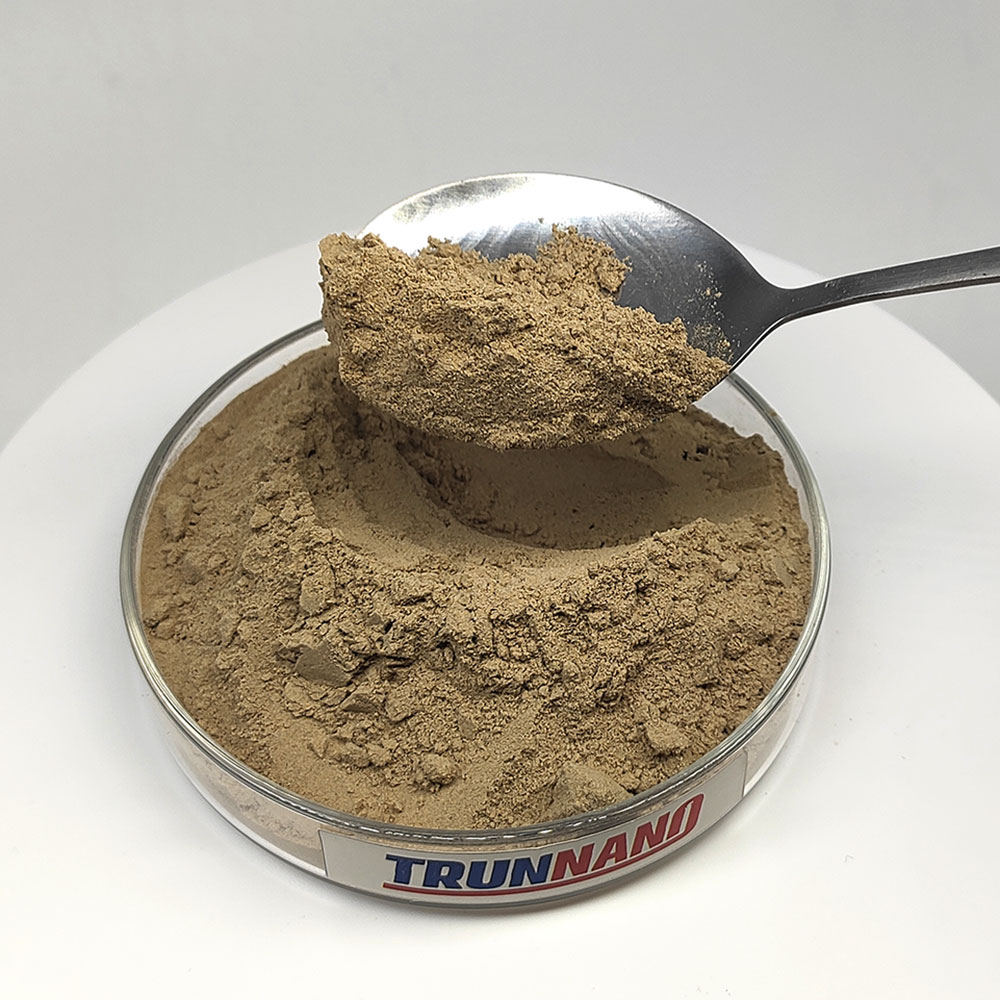
Overview of Concrete Reinforcement/Cellulose Fiber Road Construction House Insulation
Concrete Reinforcement/Cellulose Fiber Road Construction House Insulation is chemical compounds added to concrete mixtures to improve various properties of the material, such as workability, strength, durability, and curing time. These additives include plasticizers, retarders, accelerators, waterproofing agents, and air-entraining agents, each designed to meet specific needs in concrete production. Concrete additives are commonly used in both commercial and residential construction, as well as in the production of precast and ready-mix concrete. By enhancing the performance and quality of concrete, these additives help improve the overall efficiency of construction projects while ensuring the durability and longevity of the finished structure. They are easy to incorporate into the mix and provide cost-effective solutions for optimizing concrete properties in a wide range of applications.
Characteristics of Concrete Reinforcement/Cellulose Fiber Road Construction House Insulation
Enhanced Strength: Concrete additives can significantly increase the compressive strength of concrete, making it more resilient to pressure and stress. This ensures the longevity and durability of structures, reducing the likelihood of cracking or failure.
Improved Workability: Additives such as plasticizers and superplasticizers improve the flowability and consistency of concrete, making it easier to handle, pour, and finish. This enhances productivity on the construction site and reduces labor costs.
Faster Curing: Accelerators, a type of concrete additive, help speed up the curing process, allowing for quicker setting times and faster completion of projects. This is especially useful in cold weather or when fast-tracking construction timelines.
Increased Durability: Many additives, like water-reducing agents and waterproofing compounds, increase the resistance of concrete to harsh environmental conditions such as freeze-thaw cycles, water ingress, and chemical exposure, ensuring long-term performance.
Better Adhesion and Bonding: Certain additives improve the bonding between the concrete and other materials, such as reinforcing steel or aggregates, enhancing the overall structural integrity and reducing the chances of delamination or separation.
Versatility for Various Applications: Concrete additives are highly versatile and can be used in a wide range of applications, from residential buildings to large-scale infrastructure projects. They are formulated to meet specific needs such as high-strength concrete, self-compacting concrete, or durable concrete for extreme conditions.
Cost-Efficient: By improving the quality and performance of concrete, additives reduce the need for additional maintenance and repairs, leading to significant cost savings in the long term. Additionally, they help optimize the mix design, reducing material waste.
Environmentally Friendly: Many modern concrete additives are formulated with eco-friendly ingredients, contributing to more sustainable construction practices. These additives help minimize the carbon footprint and improve the environmental performance of the concrete.
Enhanced Surface Finish: Additives like air-entraining agents can improve the finish and appearance of concrete by preventing defects like cracking, honeycombing, or surface dusting, ensuring a smooth, professional-grade surface.

Specification of Concrete Reinforcement/Cellulose Fiber Road Construction House Insulation
Our concrete reinforcement cellulose fiber improves roadway building and construction. It reinforces concrete mixes. This fiber avoids fractures creating. It quits splits spreading also. Concrete longevity boosts considerably. Roads last much longer this way. Upkeep prices drop. Surface top quality gets better. Pits end up being much less most likely. This fiber mixes quickly into concrete. Application stays straightforward. Employees handle it without trouble. Time cost savings happen usually. This product matches several climates. Hot weather or cool, it carries out. Road jobs end up much faster occasionally.
Cellulose fiber residence insulation provides wonderful thermal security. It keeps heat inside throughout wintertime. It obstructs heat access during summer season. Energy expenses reduce noticeably. Convenience levels rise inside. This insulation fits inside walls. Attics benefit from it as well. Existing homes retrofit simply. New develops install it swiftly. Sound reduction occurs naturally. Sound trips less between rooms. Peace and quiet increase.
Fire resistance matters significantly. Our cellulose insulation stands up to flames well. It slows down fire spread substantially. Safety and security boosts for family members. Houses end up being much more safe locations.
Ecological elements are essential. This insulation makes use of recycled materials. Paper waste becomes useful products. Sustainability ends up being an actual feature. Home owners appreciate that facet. Installation produces very little mess. Cleaning happens quickly afterwards.
Both items deliver reliable results. They solve common building and construction troubles. Home builders rely on these solutions daily. Efficiency fulfills expectations consistently.
Applications of Concrete Reinforcement/Cellulose Fiber Road Construction House Insulation
Concrete support with cellulose fibers makes concrete stronger. It reduces fracturing. Roads last much longer. They deal with rush hour much better. This saves money on fixings. Concrete structures like foundations stay hard. They withstand damages from weather and usage. Cellulose fiber is natural. It originates from recycled paper. This benefits the setting. Including fiber is simple. Mix it right into the concrete. The fiber spreads out uniformly. This creates a solid network inside the concrete. It assists hold things with each other. Tiny splits do not grow quickly. This boosts the life of concrete projects.
Cellulose fiber excels in home insulation. It maintains homes cozy in winter. It keeps homes cool in summertime. This insulation is blown into wall surfaces. It fills up attic rooms too. It fills every tiny area. This stops drafts and heat loss. Home owners conserve power. Cooling and heating bills drop. Cellulose fiber is secure. It stands up to fire well. It additionally wets sound. Areas are quieter. Utilizing recycled paper makes this insulation environmentally friendly. Installment fasts. Experts make use of special makers. The insulation fits snugly around pipes and wires. This creates a limited thermal obstacle. Convenience enhances considerably.
Company Profile
We are the global leader in lightweight concrete and advanced engineered foam solutions. Known globally for its commitment to research, innovation, and applied expertise, we have been providing engineered foam solutions since the early 2012’s.
We can supply high-quality concrete admixture and foam concrete related products all over the world.
The company has a professional technical department and quality supervision department, a well-equipped laboratory, and equipped with advanced testing equipment and after-sales customer service center.
If you are interested, please feel free and contact us.
Payment
T/T, Western Union, Paypal, Credit Card etc.
Shipment
By air, by sea, by express, as customers request.
5 FAQs of Concrete Reinforcement/Cellulose Fiber Road Construction House Insulation
What is cellulose fiber? It’s made from recycled paper. It gets processed into tiny fibers. Builders add it to concrete mixes. They also use it for house insulation.
How does cellulose fiber make concrete stronger? The fibers spread throughout the wet concrete. They act like a reinforcement net. This net holds the concrete together as it dries. It reduces cracking. It helps prevent shrinkage. Concrete lasts longer this way.
Why use cellulose fiber in road construction? Roads face heavy traffic and weather. They need durable concrete. Cellulose fiber helps. It improves the concrete’s toughness. It minimizes cracks forming. This means roads need fewer repairs. It saves money over time.
How does cellulose fiber insulate houses? It’s blown into walls and attics. The fibers create a dense layer. This layer traps air pockets. Trapped air stops heat movement. It keeps warm air inside during winter. It keeps hot air outside during summer. Homeowners save on heating and cooling bills.
Is cellulose fiber environmentally friendly? Yes. It comes from recycled paper waste. Using it gives paper a second life. It reduces landfill use. It requires less energy to make than some other materials. Builders choose it for greener projects.