Concrete4U | Concrete Admixtures, Tools, and Production Machines

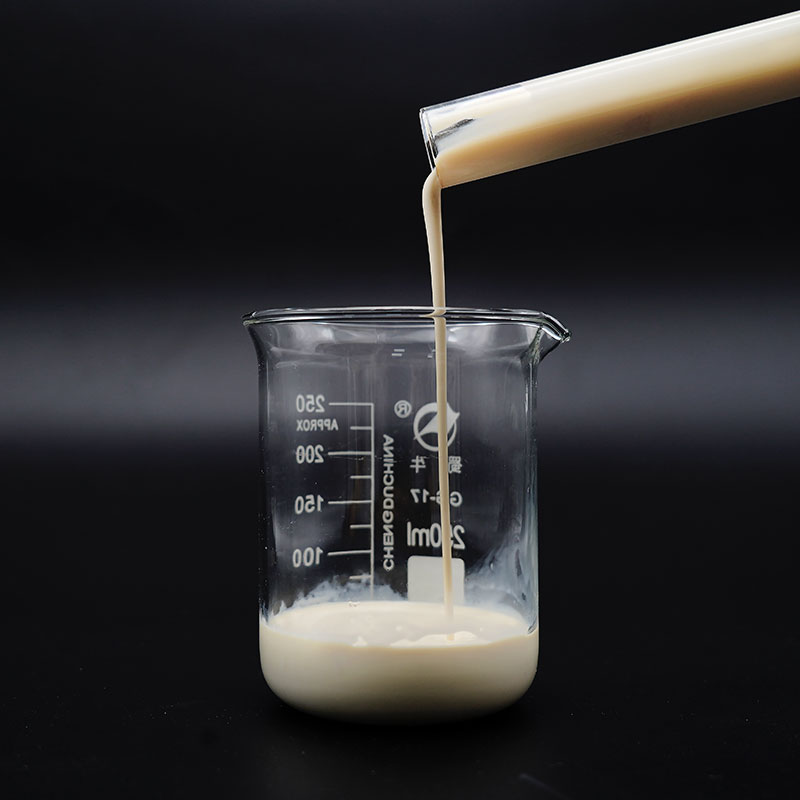
foam concrete foaming agent for Lightweight Concrete admixture foam concrete admixture
PRODUCT PARAMETERS
Description
Overview of foam concrete foaming agent for Lightweight Concrete admixture foam concrete admixture
foam concrete foaming agent for Lightweight Concrete admixture foam concrete admixture is chemical compounds added to concrete mixtures to improve various properties of the material, such as workability, strength, durability, and curing time. These additives include plasticizers, retarders, accelerators, waterproofing agents, and air-entraining agents, each designed to meet specific needs in concrete production. Concrete additives are commonly used in both commercial and residential construction, as well as in the production of precast and ready-mix concrete. By enhancing the performance and quality of concrete, these additives help improve the overall efficiency of construction projects while ensuring the durability and longevity of the finished structure. They are easy to incorporate into the mix and provide cost-effective solutions for optimizing concrete properties in a wide range of applications.
Characteristics of foam concrete foaming agent for Lightweight Concrete admixture foam concrete admixture
Enhanced Strength: Concrete additives can significantly increase the compressive strength of concrete, making it more resilient to pressure and stress. This ensures the longevity and durability of structures, reducing the likelihood of cracking or failure.
Improved Workability: Additives such as plasticizers and superplasticizers improve the flowability and consistency of concrete, making it easier to handle, pour, and finish. This enhances productivity on the construction site and reduces labor costs.
Faster Curing: Accelerators, a type of concrete additive, help speed up the curing process, allowing for quicker setting times and faster completion of projects. This is especially useful in cold weather or when fast-tracking construction timelines.
Increased Durability: Many additives, like water-reducing agents and waterproofing compounds, increase the resistance of concrete to harsh environmental conditions such as freeze-thaw cycles, water ingress, and chemical exposure, ensuring long-term performance.
Better Adhesion and Bonding: Certain additives improve the bonding between the concrete and other materials, such as reinforcing steel or aggregates, enhancing the overall structural integrity and reducing the chances of delamination or separation.
Versatility for Various Applications: Concrete additives are highly versatile and can be used in a wide range of applications, from residential buildings to large-scale infrastructure projects. They are formulated to meet specific needs such as high-strength concrete, self-compacting concrete, or durable concrete for extreme conditions.
Cost-Efficient: By improving the quality and performance of concrete, additives reduce the need for additional maintenance and repairs, leading to significant cost savings in the long term. Additionally, they help optimize the mix design, reducing material waste.
Environmentally Friendly: Many modern concrete additives are formulated with eco-friendly ingredients, contributing to more sustainable construction practices. These additives help minimize the carbon footprint and improve the environmental performance of the concrete.
Enhanced Surface Finish: Additives like air-entraining agents can improve the finish and appearance of concrete by preventing defects like cracking, honeycombing, or surface dusting, ensuring a smooth, professional-grade surface.

Specification of foam concrete foaming agent for Lightweight Concrete admixture foam concrete admixture
This foam concrete frothing representative makes light-weight concrete. It produces stable, little air bubbles in the concrete mix. This is critical for producing foam concrete blocks, panels, and cast-in-place applications.
The representative substantially reduces the concrete’s thickness. You get much lighter frameworks. This alleviates handling and cuts transportation expenses. The air bubbles additionally improve thermal insulation. Structures remain warmer in winter season and cooler in summer season. This saves power.
You discover various sorts of frothing agents. Artificial agents are common and economical. They supply great foam volume and security. Protein-based representatives often provide finer, more powerful bubbles. This causes higher stamina concrete at the exact same density. Select based on your job’s needs for stamina and spending plan.
Great foaming agents blend conveniently with water. They generate foam quick utilizing a typical foam generator. The foam remains secure enough time for mixing and putting. This stops collapse before the concrete collections. Consistent foam quality is essential. It makes sure consistent thickness and strength throughout your concrete aspect.
Try to find agents suitable with cement and other admixtures. They should not hinder establishing times. The representative must be concentrated. A little goes a long way. This saves storage area and reduces delivery weight. Always follow the maker’s dose directions. Excessive or too little foam damages the concrete.
Correct storage issues. Keep the representative secured in a cool, dry area. Safeguard it from cold or severe heat. This keeps its efficiency. Manage focused remedies thoroughly. Usage handwear covers and eye security. Thin down the representative appropriately before generating foam. Reputable efficiency depends upon correct usage and storage space.
Applications of foam concrete foaming agent for Lightweight Concrete admixture foam concrete admixture
Foam concrete foaming agent makes lightweight concrete. This additive creates stable air bubbles inside the concrete mix. Think of it as trapping millions of tiny air pockets. This process is called aeration. The result is foam concrete. This material is much lighter than regular concrete.
The main job is reducing weight. Foam concrete weighs significantly less. This is crucial for many building projects. Heavy structures need strong foundations. Lighter concrete means smaller foundations. This saves materials. It also cuts costs. Less heavy concrete is easier to handle too. Workers move and place it faster.
Weight reduction is important. Insulation is another big benefit. The trapped air pockets act like a barrier. Heat struggles to pass through all those air bubbles. So foam concrete keeps heat in during winter. It keeps heat out during summer. This improves building energy efficiency. Lower heating and cooling bills result.
This material offers good fire resistance. Concrete itself doesn’t burn. The air bubbles add extra protection. Heat moves slowly through the air pockets. This delays fire spread. Structures gain more time for evacuation.
Foam concrete works well for filling spaces. It flows easily into awkward gaps and voids. Examples include old pipes or tunnels. It fills areas under floors too. It prevents ground settling. This material is self-leveling. It requires minimal compacting.
Using foam concrete saves money. Less raw material is needed. Transport costs are lower because it’s lighter. Installation is often quicker. Its insulating properties cut long-term energy expenses.
Builders use it for many applications. Roof insulation is common. Lightweight floor screeds are another use. Void filling in civil engineering projects happens often. Backfilling retaining walls uses it too. It replaces heavier materials like soil or gravel. It also replaces less stable materials like expanded polystyrene boards. Foam concrete provides a strong, stable, fireproof alternative.
Company Profile
We are the global leader in lightweight concrete and advanced engineered foam solutions. Known globally for its commitment to research, innovation, and applied expertise, we have been providing engineered foam solutions since the early 2012’s.
We can supply high-quality concrete admixture and foam concrete related products all over the world.
The company has a professional technical department and quality supervision department, a well-equipped laboratory, and equipped with advanced testing equipment and after-sales customer service center.
If you are interested, please feel free and contact us.
Payment
T/T, Western Union, Paypal, Credit Card etc.
Shipment
By air, by sea, by express, as customers request.
5 FAQs of foam concrete foaming agent for Lightweight Concrete admixture foam concrete admixture
Here’s what you need to know about foam concrete foaming agents:
What is a foam concrete foaming agent?
This is a special chemical. You add it to a concrete mix. It creates stable air bubbles throughout the mix. These bubbles make the concrete much lighter. Foam concrete is good for insulation and filling spaces.
Why use a foam concrete foaming agent?
The main reason is weight reduction. Lighter concrete is easier to handle. It puts less stress on structures. This concrete also has good thermal insulation properties. It flows easily into difficult shapes. It reduces material costs overall.
How do you use a foam concrete foaming agent?
You dilute the concentrated agent with water first. Then you generate foam using a special machine. This foam generator pumps air into the diluted solution. You mix this stable foam directly into the cement slurry. The mixing process must be controlled carefully. This ensures even bubble distribution.
What makes a good foam concrete foaming agent?
Look for an agent that creates very stable bubbles. The bubbles must resist collapsing during mixing and pouring. The foam should have a uniform bubble size. The agent must be compatible with other materials in your mix. Good agents work well in different water conditions. Consistent performance batch after batch is essential.
Is the foaming agent safe?
Reputable manufacturers design their agents for safety. Always follow the handling instructions on the product label. Wear basic protective gear like gloves and goggles. Avoid direct skin contact. Work in areas with good ventilation. Store the agent properly.