Concrete-mesa | Concrete Admixtures, Tools, and Production Machines

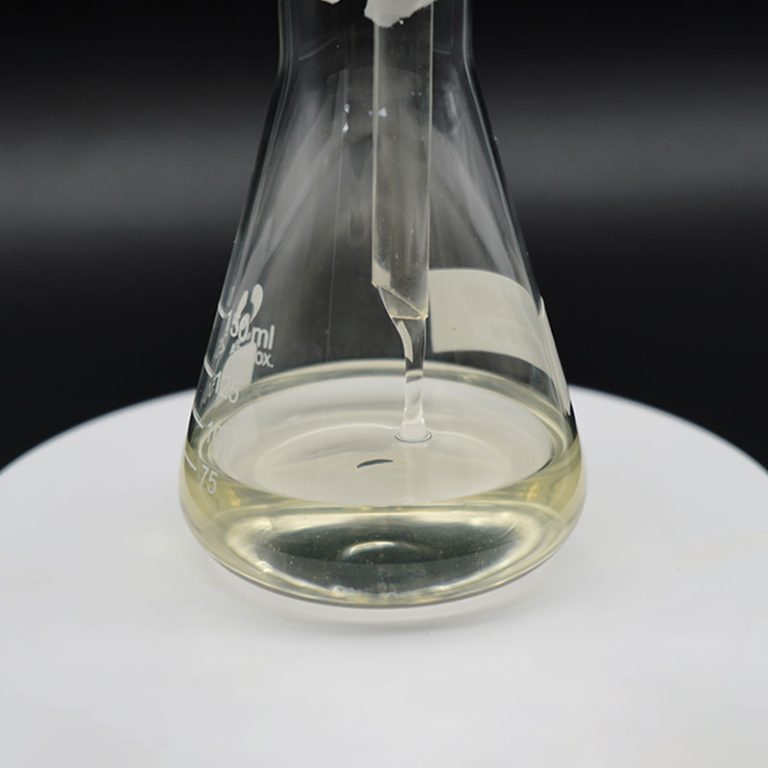
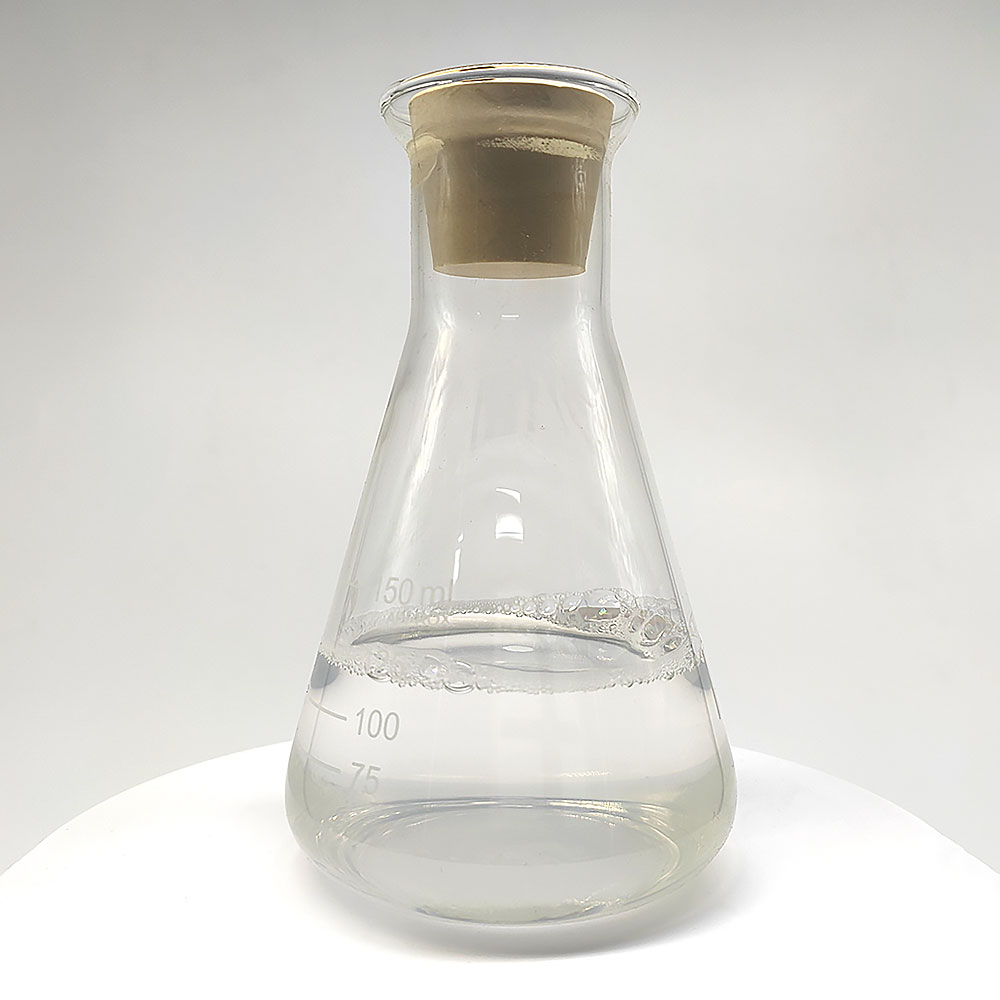
High Strength Foam Concrete Additive Foam Stabilizer Foam Anti-collapsing Agent
PRODUCT PARAMETERS
Description
Overview of High Strength Foam Concrete Additive Foam Stabilizer Foam Anti-collapsing Agent
High Strength Foam Concrete Additive Foam Stabilizer Foam Anti-collapsing Agent is chemical compounds added to concrete mixtures to improve various properties of the material, such as workability, strength, durability, and curing time. These additives include plasticizers, retarders, accelerators, waterproofing agents, and air-entraining agents, each designed to meet specific needs in concrete production. Concrete additives are commonly used in both commercial and residential construction, as well as in the production of precast and ready-mix concrete. By enhancing the performance and quality of concrete, these additives help improve the overall efficiency of construction projects while ensuring the durability and longevity of the finished structure. They are easy to incorporate into the mix and provide cost-effective solutions for optimizing concrete properties in a wide range of applications.
Characteristics of High Strength Foam Concrete Additive Foam Stabilizer Foam Anti-collapsing Agent
Enhanced Strength: Concrete additives can significantly increase the compressive strength of concrete, making it more resilient to pressure and stress. This ensures the longevity and durability of structures, reducing the likelihood of cracking or failure.
Improved Workability: Additives such as plasticizers and superplasticizers improve the flowability and consistency of concrete, making it easier to handle, pour, and finish. This enhances productivity on the construction site and reduces labor costs.
Faster Curing: Accelerators, a type of concrete additive, help speed up the curing process, allowing for quicker setting times and faster completion of projects. This is especially useful in cold weather or when fast-tracking construction timelines.
Increased Durability: Many additives, like water-reducing agents and waterproofing compounds, increase the resistance of concrete to harsh environmental conditions such as freeze-thaw cycles, water ingress, and chemical exposure, ensuring long-term performance.
Better Adhesion and Bonding: Certain additives improve the bonding between the concrete and other materials, such as reinforcing steel or aggregates, enhancing the overall structural integrity and reducing the chances of delamination or separation.
Versatility for Various Applications: Concrete additives are highly versatile and can be used in a wide range of applications, from residential buildings to large-scale infrastructure projects. They are formulated to meet specific needs such as high-strength concrete, self-compacting concrete, or durable concrete for extreme conditions.
Cost-Efficient: By improving the quality and performance of concrete, additives reduce the need for additional maintenance and repairs, leading to significant cost savings in the long term. Additionally, they help optimize the mix design, reducing material waste.
Environmentally Friendly: Many modern concrete additives are formulated with eco-friendly ingredients, contributing to more sustainable construction practices. These additives help minimize the carbon footprint and improve the environmental performance of the concrete.
Enhanced Surface Finish: Additives like air-entraining agents can improve the finish and appearance of concrete by preventing defects like cracking, honeycombing, or surface dusting, ensuring a smooth, professional-grade surface.

Specification of High Strength Foam Concrete Additive Foam Stabilizer Foam Anti-collapsing Agent
This additive helps make foam concrete more powerful. It quits bubbles from damaging. This maintains the mix stable. You obtain a much better foam structure. The foam remains longer during mixing. This makes positioning concrete less complicated. It lowers downturn loss too. The mix remains practical much longer. You have even more time to put it effectively. Air bubbles stay in area better. This protects against collapse and uneven density. You avoid vulnerable points in the final product. The solidified concrete is much more consistent. It has less holes and defects. Stamina rises substantially. The additive boosts both early and later stamina. It makes the concrete harder. This implies less cracking and damage. You can use less concrete in some cases. This saves money. It also reduces the carbon footprint. The product deals with many materials. It suits various foaming agents. Use it with healthy protein or synthetic foams. It fits numerous cement types as well. Portland cement and slag blends are fine. The additive adjusts conveniently for various thickness. You regulate the mix weight well. It benefits light and heavier foam concrete. Include it directly to the mixing water. Follow the suggested dosage very closely. Begin with the amount given up the technical sheet. Readjust it based upon your particular mix layout. Evaluating helps locate the most effective amount.
Applications of High Strength Foam Concrete Additive Foam Stabilizer Foam Anti-collapsing Agent
High stamina foam concrete ingredients transform how foam concrete works. Foam stabilizers are one essential part. They help the little air bubbles inside the combination remain solid. These bubbles provide foam concrete its lightweight feel. Without stabilizers, the bubbles could damage ahead of time. This results in weak concrete. Foam anti-collapsing agents do similar work. They quit the foam structure from breaking down while the concrete is still damp. This is crucial for making regular, dependable material. Both ingredients interact. They make sure the foam stays stable from blending until the concrete hardens. This process creates a solid, light-weight end product.
Contractors use this improved foam concrete in many ways. Insulation is a significant use. The entraped air bubbles supply superb warmth resistance. Wall surfaces and roof coverings usually have foam concrete for this reason. Gap filling is an additional typical job. Foam concrete moves conveniently right into voids under the ground or inside frameworks. It loads spaces without adding much weight. Contractors appreciate this function. Lightweight building blocks and panels likewise rely upon this material. It minimizes the lots on structures. This is valuable for high structures or weak soil foundations. Framework projects utilize it too. Bridge techniques and tunnel linings benefit from its lightness and insulating residential properties. It conserves products and improves power effectiveness.
Foam stabilizers and anti-collapsing representatives increase the strength significantly. Regular foam concrete can be breakable. These ingredients make it a lot harder. This toughness allows broader applications. It can take care of even more weight and stress. Building rate often boosts. The product establishes predictably. Workers can put it quickly. This conserves time on duty site. The final foam concrete reveals excellent efficiency. It supplies high strength without losing its lightness. Contractors get a functional material.
Company Profile
We are the global leader in lightweight concrete and advanced engineered foam solutions. Known globally for its commitment to research, innovation, and applied expertise, we have been providing engineered foam solutions since the early 2012’s.
We can supply high-quality concrete admixture and foam concrete related products all over the world.
The company has a professional technical department and quality supervision department, a well-equipped laboratory, and equipped with advanced testing equipment and after-sales customer service center.
If you are interested, please feel free and contact us.
Payment
T/T, Western Union, Paypal, Credit Card etc.
Shipment
By air, by sea, by express, as customers request.
5 FAQs of High Strength Foam Concrete Additive Foam Stabilizer Foam Anti-collapsing Agent
What is High Strength Foam Concrete Additive Foam Stabilizer Foam Anti-collapsing Agent?
This product is a special liquid. Builders add it to foam concrete mixes. Its main job is to keep the foam stable. It stops the bubbles from bursting too soon. This is vital for making strong foam concrete.
How does the Foam Stabilizer work?
The stabilizer acts on the foam bubbles. It makes the bubble walls tougher. It reduces the chance of bubbles collapsing. This keeps the air evenly spread throughout the mix. Then the concrete sets properly with lots of tiny air pockets.
Why choose this stabilizer over regular foam?
Regular foam breaks down easily. This causes weak concrete. This stabilizer fights that collapse. It lets the concrete hold its shape better while it hardens. The result is concrete that is much stronger. It also has fewer cracks and shrinks less.
Can this stabilizer be used with other additives?
Yes. It works well with most common foam concrete additives. This includes things like accelerators or water reducers. Always test a small batch first. Check how it reacts with your specific mix. This avoids any unexpected problems.
How much Foam Stabilizer should be used?
The exact amount needed varies. It depends on your mix design. It depends on the quality of your foam generator. Follow the supplier’s guidelines as a starting point. Start with a lower dose. Then adjust upwards slowly. Observe the foam stability carefully. Find the best amount for your project.