Concrete-mesa | Concrete Admixtures, Tools, and Production Machines

Antifoam , Defoamer, Defoaming Agent
PRODUCT PARAMETERS
Description
Overview of Antifoam , Defoamer, Defoaming Agent
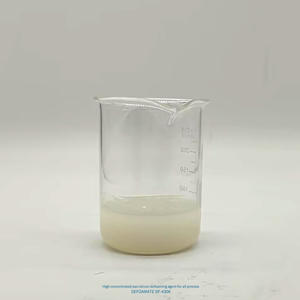
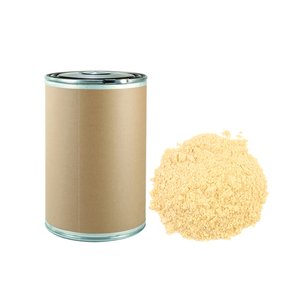
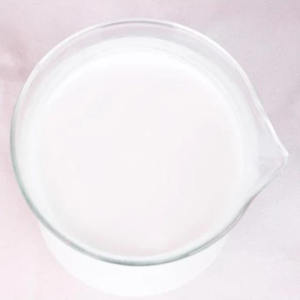
Antifoam , Defoamer, Defoaming Agent is specialized chemical additives used in concrete production to control and eliminate excess foam. Foam in concrete can interfere with the mixing process, leading to air pockets, reduced strength, and uneven curing. Concrete defoamers effectively break down unwanted foam without affecting the properties of the concrete. They are ideal for use in ready-mix concrete, precast production, and other concrete applications where foam control is essential. Available in various forms, such as liquid or powder, these defoamers are added during mixing to ensure smooth, high-quality, and durable concrete. By preventing the formation of excessive air bubbles, concrete defoamers help enhance the overall quality and appearance of the final product.
Characteristics of Antifoam , Defoamer, Defoaming Agent
Effective Foam Control: Concrete defoamers are highly effective at reducing or completely eliminating foam during the mixing process, which helps avoid air pockets, voids, and inconsistent textures in the final concrete product.
Improves Workability: By minimizing foam, defoamers enhance the workability of concrete, making it easier to handle and pour. This leads to improved placement and finishing, reducing labor time and improving overall project efficiency.
Prevents Strength Reduction: Excess foam can weaken concrete by creating air pockets that reduce its strength. Concrete defoamers help maintain the integrity and strength of the concrete mix by ensuring a denser and more solid structure.
Compatible with Various Mixes: Suitable for use with a wide range of concrete mixes, including ready-mix, precast, and high-performance concrete. Concrete defoamers can be tailored to different formulations, ensuring consistency and reliability across different projects.
Non-Interfering with Chemical Properties: These additives do not interfere with the hydration process or the setting time of concrete. They are designed to work seamlessly with other concrete admixtures, ensuring no adverse effects on strength, durability, or curing.
Cost-Effective: By improving concrete quality and consistency, defoamers help reduce the chances of product defects, rework, and material waste. This results in cost savings in both labor and materials.
Environmentally Friendly: Many modern concrete defoamers are formulated with environmentally friendly ingredients that are safe for both users and the environment, contributing to sustainable construction practices.
Versatile Application: Concrete defoamers can be used in various applications, including commercial, residential, and industrial projects. They are effective for different types of concrete, including those used in pavements, foundations, and structural elements.
Improved Finish Quality: By preventing the formation of bubbles or voids, concrete defoamers contribute to a smooth and even finish. This enhances both the appearance and performance of the final concrete product, particularly for decorative concrete or high-end finishes.
Easy to Use: Concrete defoamers are easy to incorporate into the mix, with simple dosage guidelines. Whether in liquid or powder form, they can be added during the mixing process without the need for specialized equipment, making them convenient for both small and large-scale projects.
Long Shelf Life: These additives have a long shelf life, ensuring that they maintain their effectiveness even when stored for extended periods, making them ideal for long-term use on multiple projects.

Specification of Antifoam , Defoamer, Defoaming Agent
Foam creates issues. It uses up room in containers. It reduces production. It can cause spills. Antifoam agents stop foam. They break bubbles. They protect against foam from developing. Defoamers function similarly. They get rid of existing foam. These agents conserve area. They boost effectiveness. They lower mess.
Our antifoam representatives are effective. They function quick. They are durable. You need only a percentage. They work in lots of liquids. They operate in warm fluids. They work in cool fluids. They work in acidic fluids. They operate in basic fluids.
We offer various types. Silicone-based representatives are common. They are very powerful. They work promptly. Oil-based representatives are one more choice. They are good for specific uses. Water-based agents are offered too. They are simple to mix. They are risk-free to deal with.
Our products leave no residue. They do not damage your procedure. They do not influence product quality. They are steady with time. They work continually. They are simple to contribute to your system. You can include them straight. You can dilute them initially.
Pick the right agent for your needs. Consider your fluid kind. Think about your temperature level. Think about your process speed. Think about your foam issue. Our representatives resolve difficult foam concerns. They keep things running smoothly. They save you time and money.
Applications of Antifoam , Defoamer, Defoaming Agent
Antifoam, defoamer, defoaming agent. These names all imply products made to manage foam. Foam is an issue in numerous sectors. It slows things down. It squanders products. It triggers messes and spills. It can even destroy end products. These representatives step in to stop foam fast.
Consider making food or beverages. Foam can overflow storage tanks throughout mixing or filling up. It looks poor. It squanders components. Defoamers aid below. They maintain production lines relocating efficiently. They protect against item loss.
Wastewater therapy plants encounter foam problems too. Foam can cover storage tanks. It makes it tough to see levels. It can lug dirt over edges. Antifoams break down this foam. They allow the therapy procedure job properly.
Manufacturing facilities utilize defoamers in numerous methods. Paint and coating manufacturers add them to their blends. Foam creates bubbles. Bubbles leave problems on painted surfaces. Adhesive makers utilize them. Foam damages the adhesive bond. Paper mills require them. Foam hinders pulp moving with devices. It creates breaks and uneven paper. Defoamers repair this.
Chemical handling commonly includes blending liquids. This blending produces foam quickly. Foam reduces container room. It slows reactions. It makes separating chemicals harder. Defoamers permit efficient chemical manufacturing.
Farmers make use of these agents in pesticide sprays. Foam in the spray storage tank implies unequal insurance coverage. It squanders expensive chemicals. Adding a defoamer makes sure the spray works precisely the crops.
These representatives come as fluids or powders. They are included small amounts. They work by breaking foam bubbles promptly. They stop new foam from developing. They are important devices across numerous fields. They save time. They conserve money. They boost high quality. They prevent migraines triggered by unwanted foam.
Company Profile
We are the global leader in lightweight concrete and advanced engineered foam solutions. Known globally for its commitment to research, innovation, and applied expertise, we have been providing engineered foam solutions since the early 2012’s.
We can supply high-quality concrete admixture and foam concrete related products all over the world.
The company has a professional technical department and quality supervision department, a well-equipped laboratory, and equipped with advanced testing equipment and after-sales customer service center.
If you are interested, please feel free and contact us.
Payment
T/T, Western Union, Paypal, Credit Card etc.
Shipment
By air, by sea, by express, as customers request.
5 FAQs of Antifoam , Defoamer, Defoaming Agent
Here are five common questions about antifoams and defoamers.
What exactly are antifoams and defoamers? They are special chemicals. Their job is controlling foam. Foam is unwanted bubbles in liquids. These chemicals stop foam forming. They also break foam already there. People use them in many industries.
How do these chemicals actually stop foam? They work by changing the liquid surface. Foam happens because bubbles trap air. Defoamers break these bubbles. They make the bubbles pop. Antifoams stop new bubbles forming. They spread quickly on the liquid surface. This breaks the bubble walls easily.
Why is foam a problem needing control? Foam causes real trouble in processes. It can fill tanks and spill over. This creates mess and safety risks. Foam slows down production. It makes filling bottles harder. It can ruin product quality. Controlling foam keeps things running smoothly.
Where are antifoams and defoamers typically used? You find them in many places. Factories use them for making paper. They are important in processing food. They help in making paints and coatings. Wastewater treatment plants rely on them. The oil and gas industry uses them too. Breweries need them for beer production.
How do you pick the right antifoam or defoamer? Choosing depends on your specific situation. Consider your process liquid carefully. Check the temperature and pH level. Think about how much foam you have. Look at how fast mixing happens. The type of foam matters too. Testing different options is wise. Suppliers can offer good advice.