Concrete-mesa | Concrete Admixtures, Tools, and Production Machines

Antifoaming Agents Polyether Defoaming Agents Organic Silicone Oil Defoamer
PRODUCT PARAMETERS
Description
Overview of Antifoaming Agents Polyether Defoaming Agents Organic Silicone Oil Defoamer
Antifoaming Agents Polyether Defoaming Agents Organic Silicone Oil Defoamer is specialized chemical additives used in concrete production to control and eliminate excess foam. Foam in concrete can interfere with the mixing process, leading to air pockets, reduced strength, and uneven curing. Concrete defoamers effectively break down unwanted foam without affecting the properties of the concrete. They are ideal for use in ready-mix concrete, precast production, and other concrete applications where foam control is essential. Available in various forms, such as liquid or powder, these defoamers are added during mixing to ensure smooth, high-quality, and durable concrete. By preventing the formation of excessive air bubbles, concrete defoamers help enhance the overall quality and appearance of the final product.
Characteristics of Antifoaming Agents Polyether Defoaming Agents Organic Silicone Oil Defoamer
Effective Foam Control: Concrete defoamers are highly effective at reducing or completely eliminating foam during the mixing process, which helps avoid air pockets, voids, and inconsistent textures in the final concrete product.
Improves Workability: By minimizing foam, defoamers enhance the workability of concrete, making it easier to handle and pour. This leads to improved placement and finishing, reducing labor time and improving overall project efficiency.
Prevents Strength Reduction: Excess foam can weaken concrete by creating air pockets that reduce its strength. Concrete defoamers help maintain the integrity and strength of the concrete mix by ensuring a denser and more solid structure.
Compatible with Various Mixes: Suitable for use with a wide range of concrete mixes, including ready-mix, precast, and high-performance concrete. Concrete defoamers can be tailored to different formulations, ensuring consistency and reliability across different projects.
Non-Interfering with Chemical Properties: These additives do not interfere with the hydration process or the setting time of concrete. They are designed to work seamlessly with other concrete admixtures, ensuring no adverse effects on strength, durability, or curing.
Cost-Effective: By improving concrete quality and consistency, defoamers help reduce the chances of product defects, rework, and material waste. This results in cost savings in both labor and materials.
Environmentally Friendly: Many modern concrete defoamers are formulated with environmentally friendly ingredients that are safe for both users and the environment, contributing to sustainable construction practices.
Versatile Application: Concrete defoamers can be used in various applications, including commercial, residential, and industrial projects. They are effective for different types of concrete, including those used in pavements, foundations, and structural elements.
Improved Finish Quality: By preventing the formation of bubbles or voids, concrete defoamers contribute to a smooth and even finish. This enhances both the appearance and performance of the final concrete product, particularly for decorative concrete or high-end finishes.
Easy to Use: Concrete defoamers are easy to incorporate into the mix, with simple dosage guidelines. Whether in liquid or powder form, they can be added during the mixing process without the need for specialized equipment, making them convenient for both small and large-scale projects.
Long Shelf Life: These additives have a long shelf life, ensuring that they maintain their effectiveness even when stored for extended periods, making them ideal for long-term use on multiple projects.

Specification of Antifoaming Agents Polyether Defoaming Agents Organic Silicone Oil Defoamer
Antifoaming agents deal with foam problems. Foam creates problem in several sectors. It slows manufacturing. It throws away space. It reduces item high quality. Defoamers stop foam fast. They damage foam bubbles. They protect against new foam. Picking the best defoamer issues. Different situations need various remedies. Below are common types.
Polyether defoamers are preferred. They use polyether chains. These chains can be EO or PO based. The framework controls efficiency. Polyethers work well in warm water systems. They manage alkaline conditions. They benefit washing powders. They are stable in liquid cleaning agents. They stop foam throughout production. They stop foam throughout usage. Some polyethers dissolve slowly. This gives durable foam control. The HLB worth is necessary. It influences how the defoamer spreads. This impacts breaking speed.
Organic silicone oil defoamers are effective. Silicone oil is the main part. It has reduced surface stress. This aids it break foam swiftly. Silicone oil alone isn’t sufficient. It needs hydrophobic fragments. Silica is typically made use of. The bits puncture foam wall surfaces. They assist oil get in the bubble. Silicone defoamers operate at reduced doses. They are effective. They manage many pH degrees. They operate in high temperature processes. They operate in chemical handling. They operate in fermentation containers. They work in wastewater therapy. They are chemically inert. They do not react a lot. They are secure.
General defoamers use different chemicals. They could have mineral oil. They could include vegetable oil. They may have esters. They usually have hydrophobic solids. These solids assist damage foam. These defoamers are cost-effective. They deal with many usual foam problems. They are utilized in paints. They are utilized in adhesives. They are utilized in food processing. They are utilized in paper making. They are flexible. They are easy to make use of. They are readily offered.
Applications of Antifoaming Agents Polyether Defoaming Agents Organic Silicone Oil Defoamer
Foam causes issues in lots of industries. It slows down production. It decreases performance. Antifoaming agents deal with these problems. They damage down foam bubbles. They quit brand-new foam from developing. Different antifoaming agents work best in different situations.
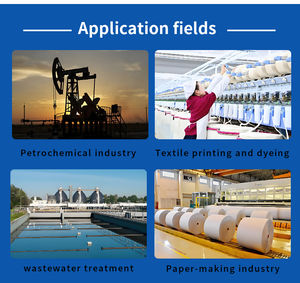
Polyether defoaming representatives are very useful. They handle high temperatures well. They resist strong chemicals. This makes them ideal for cleaning agents and cleaning products. They function well in cleaning equipments. They quit foam from overruning. The fabric sector uses them also. They regulate foam in dyeing bathrooms. They keep the process running smoothly. Paper mills count on them. Foam can destroy paper high quality. Polyether representatives protect against that.
Organic silicone oil defoamers are another essential kind. They are extremely reliable at low focus. They spread out promptly over foam surfaces. They damage foam fast. They operate in several liquids. They are secure over a vast temperature range. This adaptability is beneficial. The food and drink sector uses silicone defoamers. They manage foam in cooking oils. They prevent overflow in sugar handling. They are risk-free for food get in touch with when approved. Drug manufacturing requires them too. Foam can destroy medication sets. Silicone defoamers quit that trouble. Water therapy plants depend on them. Foam can clog systems. Silicone defoamers keep water moving.
Choosing the ideal antifoam is essential. It depends on the details process. Temperature matters. The type of liquid issues. Chemical compatibility is vital. Polyether representatives excel in extreme conditions. Silicone oils provide broad effectiveness. Both kinds save money and time. They maintain production lines moving.
Company Profile
We are the global leader in lightweight concrete and advanced engineered foam solutions. Known globally for its commitment to research, innovation, and applied expertise, we have been providing engineered foam solutions since the early 2012’s.
We can supply high-quality concrete admixture and foam concrete related products all over the world.
The company has a professional technical department and quality supervision department, a well-equipped laboratory, and equipped with advanced testing equipment and after-sales customer service center.
If you are interested, please feel free and contact us.
Payment
T/T, Western Union, Paypal, Credit Card etc.
Shipment
By air, by sea, by express, as customers request.
5 FAQs of Antifoaming Agents Polyether Defoaming Agents Organic Silicone Oil Defoamer
What are antifoaming agents? Antifoaming agents stop foam from forming. They also break foam that already exists. Foam can cause big problems in many industries. It makes processes inefficient. It can even damage equipment.
Why is foam a problem? Foam takes up too much space in tanks. It slows down production lines. Foam can cause spills. This creates safety hazards. Foam can ruin product quality. It affects how things look or work. Controlling foam is very important.
How do polyether defoaming agents work? Polyether agents work inside the liquid. They spread quickly through the foam. They break the bubbles from within. Polyether agents are good for hot processes. They handle high temperatures well. They work in systems with strong chemicals.
How do organic silicone oil defoamers work? Silicone defoamers work on the liquid’s surface. They reduce the surface tension. This makes the foam bubbles unstable. The bubbles collapse fast. Silicone defoamers work fast. They are effective at low temperatures too. They are very stable.
Where are these defoamers used? They are used in many industries. Factories use them in making paints and coatings. Food plants use them in processing. Wastewater treatment plants need them. They are used in oil drilling. Many chemical manufacturing processes rely on them.
How do I choose the right defoamer? Choosing depends on your specific need. Think about your process temperature. Consider the chemical environment. Look at the type of foam problem. Decide if you need long-term foam prevention. Or if you need fast foam knockdown. Testing small samples is always smart.