Concrete-mesa | Concrete Admixtures, Tools, and Production Machines

Chemical Auxiliary Agent Antifoam Additive Defoamer for Concrete & Industrial Applications
PRODUCT PARAMETERS
Description
Overview of Chemical Auxiliary Agent Antifoam Additive Defoamer for Concrete & Industrial Applications
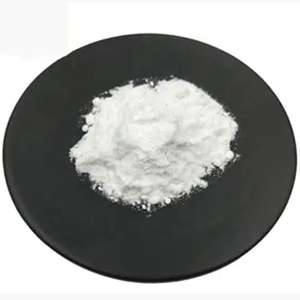
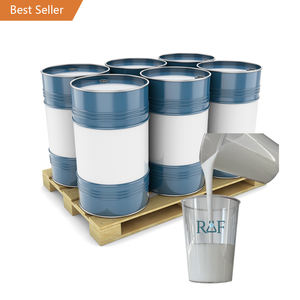
Chemical Auxiliary Agent Antifoam Additive Defoamer for Concrete & Industrial Applications is specialized chemical additives used in concrete production to control and eliminate excess foam. Foam in concrete can interfere with the mixing process, leading to air pockets, reduced strength, and uneven curing. Concrete defoamers effectively break down unwanted foam without affecting the properties of the concrete. They are ideal for use in ready-mix concrete, precast production, and other concrete applications where foam control is essential. Available in various forms, such as liquid or powder, these defoamers are added during mixing to ensure smooth, high-quality, and durable concrete. By preventing the formation of excessive air bubbles, concrete defoamers help enhance the overall quality and appearance of the final product.
Characteristics of Chemical Auxiliary Agent Antifoam Additive Defoamer for Concrete & Industrial Applications
Effective Foam Control: Concrete defoamers are highly effective at reducing or completely eliminating foam during the mixing process, which helps avoid air pockets, voids, and inconsistent textures in the final concrete product.
Improves Workability: By minimizing foam, defoamers enhance the workability of concrete, making it easier to handle and pour. This leads to improved placement and finishing, reducing labor time and improving overall project efficiency.
Prevents Strength Reduction: Excess foam can weaken concrete by creating air pockets that reduce its strength. Concrete defoamers help maintain the integrity and strength of the concrete mix by ensuring a denser and more solid structure.
Compatible with Various Mixes: Suitable for use with a wide range of concrete mixes, including ready-mix, precast, and high-performance concrete. Concrete defoamers can be tailored to different formulations, ensuring consistency and reliability across different projects.
Non-Interfering with Chemical Properties: These additives do not interfere with the hydration process or the setting time of concrete. They are designed to work seamlessly with other concrete admixtures, ensuring no adverse effects on strength, durability, or curing.
Cost-Effective: By improving concrete quality and consistency, defoamers help reduce the chances of product defects, rework, and material waste. This results in cost savings in both labor and materials.
Environmentally Friendly: Many modern concrete defoamers are formulated with environmentally friendly ingredients that are safe for both users and the environment, contributing to sustainable construction practices.
Versatile Application: Concrete defoamers can be used in various applications, including commercial, residential, and industrial projects. They are effective for different types of concrete, including those used in pavements, foundations, and structural elements.
Improved Finish Quality: By preventing the formation of bubbles or voids, concrete defoamers contribute to a smooth and even finish. This enhances both the appearance and performance of the final concrete product, particularly for decorative concrete or high-end finishes.
Easy to Use: Concrete defoamers are easy to incorporate into the mix, with simple dosage guidelines. Whether in liquid or powder form, they can be added during the mixing process without the need for specialized equipment, making them convenient for both small and large-scale projects.
Long Shelf Life: These additives have a long shelf life, ensuring that they maintain their effectiveness even when stored for extended periods, making them ideal for long-term use on multiple projects.

Specification of Chemical Auxiliary Agent Antifoam Additive Defoamer for Concrete & Industrial Applications
This antifoam additive stops foam fast. Foam causes big problems in concrete making and other factories. This defoamer works quickly. It breaks down bubbles on contact. You see results almost immediately. This saves time and money. It improves the quality of your concrete mix. Foam makes concrete weak. It creates air pockets inside. These pockets ruin the strength and look. Our antifoamer stops this. It helps make dense, strong concrete. You get a smooth finish every time.
Use it in many places. It works great in concrete batching plants. Factories use it in wastewater treatment too. Paper mills, textile plants, chemical processing need it. Foam slows things down. It messes up equipment. This product prevents that. It keeps your processes running smoothly. It stops foam in tanks and pipelines. You avoid spills and shutdowns. Production stays efficient.
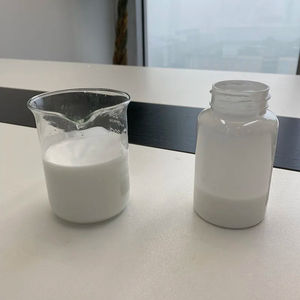
This chemical agent is silicone-based. It is a liquid emulsion. It mixes easily into water systems. It stays stable under different conditions. It handles high temperatures well. It works in acidic or alkaline environments. It is safe for most industrial uses. Follow the recommended dosage. A little goes a long way. Start with a small amount. Add more if foam persists. You will see the foam collapse. It prevents new foam from forming.
It is compatible with many other chemicals. Check with specific additives before mixing. Store it in a cool, dry spot. Keep it sealed tight. It has a long shelf life. Use it within the specified time. This defoamer is cost-effective. It reduces waste and improves output. Your concrete will meet higher standards. Your industrial processes will run cleaner.
Applications of Chemical Auxiliary Agent Antifoam Additive Defoamer for Concrete & Industrial Applications
Foam causes problems in many industries. Concrete production is one key area. Air bubbles form during mixing. This trapped air weakens the final concrete. It makes the concrete less strong. It makes the surface look bad. Defoamers stop this foam. They break down bubbles quickly. They prevent new bubbles from forming. This makes the concrete stronger. It gives a smoother finish. Builders get better results.
Industrial processes also fight foam. Foam slows down production. Foam can cause spills. Foam fills tanks too fast. This leads to shutdowns. This wastes time and money. Defoamers fix this. They work in many liquids. They work in paints and coatings. Foam ruins paint finishes. Defoamers keep paint smooth. They work in adhesives. Foam weakens glue bonds. Defoamers ensure strong adhesion. They work in wastewater treatment. Foam blocks equipment here. Defoamers keep treatment plants running.
Food processing uses defoamers too. Boiling liquids often foam over. This is messy. This is unsafe. Defoamers control this foam. They are safe for food contact. They help in sugar refining. They help in fermentation. Foam reduces product yield here. Defoamers increase efficiency.
Defoamers work by breaking surface tension. They spread across bubble walls. This makes the bubbles collapse. Different defoamers exist. Silicone types are common. They work well in many conditions. Mineral oil defoamers are another choice. They are often used in paints. The right defoamer depends on the liquid. It depends on the process temperature. It depends on the foam problem.
Using defoamers saves money. It prevents product loss. It reduces cleaning time. It speeds up production lines. It improves product quality. Choosing the correct defoamer is important. Experts can help find the best type. They consider the application needs. They ensure good performance. Defoamers are essential tools. They solve a common industrial headache.
Company Profile
We are the global leader in lightweight concrete and advanced engineered foam solutions. Known globally for its commitment to research, innovation, and applied expertise, we have been providing engineered foam solutions since the early 2012’s.
We can supply high-quality concrete admixture and foam concrete related products all over the world.
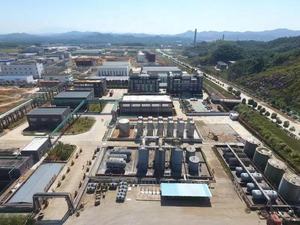
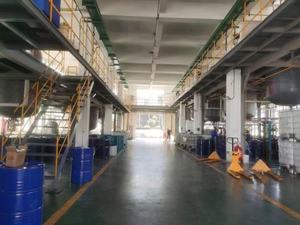
The company has a professional technical department and quality supervision department, a well-equipped laboratory, and equipped with advanced testing equipment and after-sales customer service center.
If you are interested, please feel free and contact us.
Payment
T/T, Western Union, Paypal, Credit Card etc.
Shipment
By air, by sea, by express, as customers request.
5 FAQs of Chemical Auxiliary Agent Antifoam Additive Defoamer for Concrete & Industrial Applications
People ask what antifoam additives are. They are special chemicals. These chemicals stop foam from forming. They also break foam that already exists. Foam causes problems in liquids. Foam is bubbles on the surface. These additives help liquids work better.
People wonder why antifoam is needed in concrete. Mixing concrete creates air bubbles. Too many bubbles weaken the concrete. Bubbles make holes inside the concrete. Holes make the concrete less strong. Antifoam helps push these bubbles out. Stronger concrete is the result. Good finish is another benefit.
People want to know how antifoam works. Antifoam chemicals have special properties. They reduce surface tension. Surface tension holds bubbles together. Lower surface tension lets bubbles pop. Antifoam chemicals spread on the bubble surface. This breaks the bubble film. Bubbles collapse quickly.
People ask how to use antifoam additives. The method depends on the application. For concrete, add it during mixing. Add it directly to the mix water. Use the correct amount. Too much can cause issues. Follow the supplier’s instructions carefully. Industrial processes vary. Dosing pumps are common.
People ask about the benefits of using antifoam. It prevents foam-related problems. Foam can slow down production. Foam can cause spills. Foam can ruin product quality. Removing foam improves efficiency. It saves time. It saves money. It ensures consistent results.