Concrete4U | Concrete Admixtures, Tools, and Production Machines

FiberGLASS Composite FRP Rebar For Construction On Glass Fiber Reinforced Rod Fiberglass Products
PRODUCT PARAMETERS
Description
Overview of FiberGLASS Composite FRP Rebar For Construction On Glass Fiber Reinforced Rod Fiberglass Products
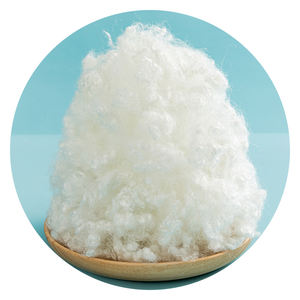
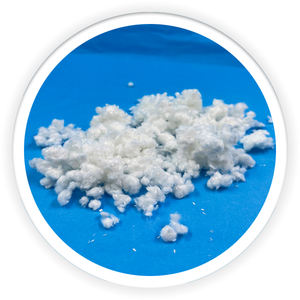
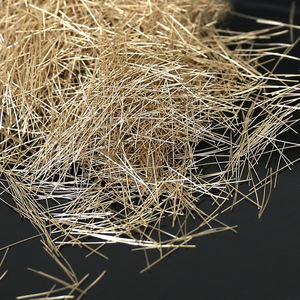
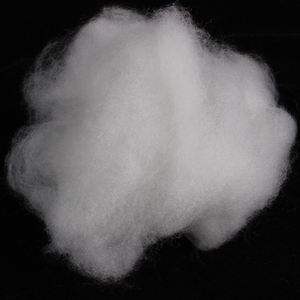
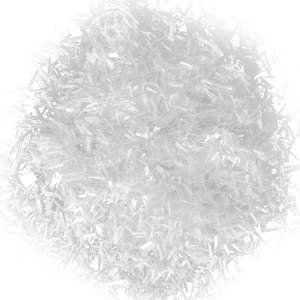
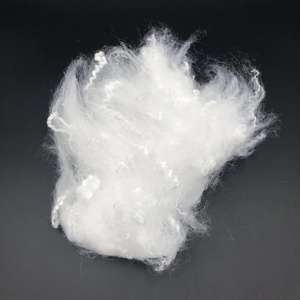
For high-impact resistance, we offer Steel Fibers, an ideal replacement for welded wire mesh in industrial floors and pre-cast elements. We also provide specialized Structural Synthetic Fibers that offer high tensile strength for demanding applications. These fibers are uniformly dispersed throughout the concrete mix, creating a multi-dimensional reinforcement network that traditional methods cannot achieve. This integrated approach simplifies construction, accelerates placement, and enhances the overall integrity and longevity of the concrete, providing a modern answer to age-old cracking and durability challenges.
Features of FiberGLASS Composite FRP Rebar For Construction On Glass Fiber Reinforced Rod Fiberglass Products
1. Superior Crack Control and Enhanced Durability:
The primary feature of our fibers is their ability to bridge both micro-cracks that form during the plastic state and larger cracks in hardened concrete. This three-dimensional dispersion creates a more cohesive matrix that resists crack propagation. The direct benefit is a significant reduction in both plastic shrinkage cracking and long-term crack width. This leads to a much more durable concrete with lower permeability, which in turn enhances resistance to water ingress, freeze-thaw damage, and corrosion of any embedded steel. The result is a structure with a longer service life and reduced maintenance costs.
2. Increased Impact and Abrasion Resistance:
Fibers, particularly steel and robust synthetic macro fibers, dramatically improve the concrete’s toughness and post-crack performance. They absorb and distribute energy upon impact or loading. This feature provides the benefit of a more resilient surface that is less prone to spalling, chipping, and abrasion under heavy traffic or mechanical wear. This is a critical advantage for industrial floors, warehouse pavements, and infrastructure projects, leading to a harder-wearing surface that maintains its integrity over time.
3. Construction Efficiency and Cost Savings:
A key feature of using fiber reinforcement is the elimination of welded wire mesh (WWF) in many applications. This provides immense on-site benefits: it simplifies placement, as there is no mesh to be set up or potentially displaced, and it accelerates the entire construction process. By removing a labor-intensive step, projects see reduced labor costs and faster project timelines. The uniform distribution of fibers also ensures consistent reinforcement throughout the entire concrete section, unlike mesh, which can be improperly placed, leading to more reliable and predictable performance.

Specifications of FiberGLASS Composite FRP Rebar For Construction On Glass Fiber Reinforced Rod Fiberglass Products
Fiberglass composite FRP rebar offers a modern service for reinforcing concrete frameworks. It replaces typical steel rebar. This item utilizes glass fiber enhanced polymer. The product is solid and lightweight. It withstands rust properly.
FRP rebar comes in different sizes. Typical dimensions match standard steel rebar dimensions. You can locate it in straight sizes. Some vendors supply personalized bends. The surface area features a textured surface. This structure enhances bonding with concrete.
Its tensile strength is very high. Fiberglass rebar frequently exceeds steel in tensile toughness. It evaluates a lot less than steel rebar. This makes handling and setup much easier. Workers value the lighter weight on website.
Rust resistance is a significant advantage. Unlike steel, this rebar does not rust. It carries out well in extreme environments. Utilize it near saltwater or deicing salts. Chemical resistance is another plus. This product holds up against many acids and antacids.
Installation techniques appear like steel rebar practices. Workers sufficed making use of typical devices. They connect assemble with plastic ties. Concrete placement adheres to typical procedures. The installment procedure is uncomplicated.
Electric non-conductivity is important. Fiberglass rebar does not conduct electrical energy. This home works in specific jobs. It discovers usage near power lines or sensitive equipment. Thermal growth is low. It increases less than steel when warmed.
Magnetic transparency is another attribute. This rebar does not hinder magnetic fields. It functions well in health centers or labs. Layout life is very long. Structures last longer with less upkeep.
The material is environmentally friendly. Production uses much less energy than steel. It contains no hefty metals. Reusing options exist for the product. Sustainability is a key benefit.
FRP rebar fits several applications. Use it in bridges, parking garages, and seawalls. Marine structures benefit significantly. Buildings near the shore see great results. Framework jobs adopt it commonly.
Expense factors to consider are important. First product cost may be more than steel. Long-term cost savings offset this. Reduced maintenance decreases total expenses. Lifecycle cost is typically reduced.
Efficiency is reputable. Engineers define it with confidence. Contractors install it successfully. Owners value the sturdiness. It offers a strong option to steel.
Applications of FiberGLASS Composite FRP Rebar For Construction On Glass Fiber Reinforced Rod Fiberglass Products
Fiberglass rebar is a strong alternative to steel rebar in concrete building. It is made from glass fibers embeded in material. This material supplies huge benefits in numerous structure circumstances.
Steel rebar rusts gradually, especially where salt or chemicals are present. This corrosion can damage the concrete. Fiberglass rebar does not rust whatsoever. This makes it excellent for locations like bridges, parking garages, marine docks, and wastewater plants. Structures last much longer without corrosion problems.
Fiberglass rebar is much lighter than steel. Employees locate it easier to manage and walk around the work site. This speeds up installation. It also decreases transport expenses. The lighter weight benefits jobs where weight issues.
This rebar does not carry out electrical energy. Steel rebar can cause concerns near high-voltage line or sensitive tools. Fiberglass rebar is risk-free in these locations. It is likewise unseen to radar and electromagnetic fields. This is very important for some army or clinical structures.
Fiberglass rebar functions well in really cool places. It deals with freeze-thaw cycles better than steel. The product remains solid. It does not fracture concrete like steel can when temperature levels transform quickly.
Making use of fiberglass rebar saves money in time. There is no need for extra anti-rust layers. Maintenance expenses drop. The structure lasts longer without repair services. Home builders select it for its long-lasting worth.
It is made use of in roads, passages, and structure structures. It reinforces concrete slabs and wall surfaces. The material is dependable. Home builders trust its efficiency.
Company Profile
We are the global leader in lightweight concrete and advanced engineered foam solutions. Known globally for its commitment to research, innovation, and applied expertise, we have been providing engineered foam solutions since the early 2012’s.
We can supply high-quality concrete admixture and foam concrete related products all over the world.
The company has a professional technical department and quality supervision department, a well-equipped laboratory, and equipped with advanced testing equipment and after-sales customer service center.
If you are interested, please feel free and contact us.
Payment
T/T, Western Union, Paypal, Credit Card etc.
Shipment
By air, by sea, by express, as customers request.
5 FAQs of FiberGLASS Composite FRP Rebar For Construction On Glass Fiber Reinforced Rod Fiberglass Products
Fiberglass rebar is a modern building material. It replaces traditional steel reinforcement in concrete structures. Many people have questions about this product. We answer the five most common ones here.
What exactly is FRP rebar? FRP stands for Fiber Reinforced Polymer. It is made from strong glass fibers set in resin. This creates a very strong rod. It looks similar to steel rebar but it is made differently. This material is sometimes called GFRP rebar too.
Why choose fiberglass rebar over steel? The biggest reason is corrosion. Steel rusts when exposed to water and salt. This rust can crack concrete. Fiberglass rebar does not rust at all. It lasts much longer in wet or salty places. It is also much lighter than steel. This makes it easier to handle on the job site. It does not conduct electricity either. This is important near power lines or in medical buildings.
Is fiberglass rebar really corrosion-proof? Yes, it is highly resistant. Unlike steel, it won’t rust from moisture, road salt, or chemicals in the soil. This resistance means concrete structures last longer. You avoid expensive repairs later. Bridges, marine docks, and roads often use it for this reason.
Where can you use FRP rebar? It works well almost anywhere steel rebar is used. Common places include bridges, parking garages, tunnels, and seawalls. It is excellent for buildings near the ocean or where de-icing salt is used. It is also used in places needing non-magnetic or non-conductive materials.
Is fiberglass rebar more expensive? Usually, the initial cost per pound is higher than steel. Think about the long-term savings though. Because it doesn’t corrode, the structure needs less maintenance. You avoid the high cost of fixing rusted concrete. The lighter weight can also save on labor costs during construction. Over the building’s life, fiberglass rebar often proves more cost-effective.