Concrete-mesa | Concrete Admixtures, Tools, and Production Machines

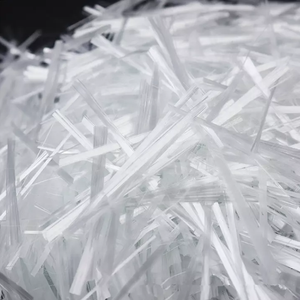
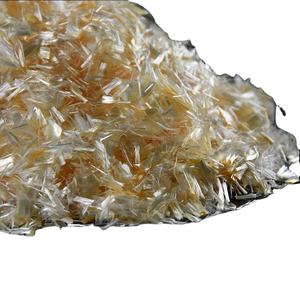
Sisal Fiber Eco-Friendly Natural Sustainable Fiber with Raw Pattern Spinning Concrete Filling Applications
PRODUCT PARAMETERS
Description
Overview of Sisal Fiber Eco-Friendly Natural Sustainable Fiber with Raw Pattern Spinning Concrete Filling Applications
For high-impact resistance, we offer Steel Fibers, an ideal replacement for welded wire mesh in industrial floors and pre-cast elements. We also provide specialized Structural Synthetic Fibers that offer high tensile strength for demanding applications. These fibers are uniformly dispersed throughout the concrete mix, creating a multi-dimensional reinforcement network that traditional methods cannot achieve. This integrated approach simplifies construction, accelerates placement, and enhances the overall integrity and longevity of the concrete, providing a modern answer to age-old cracking and durability challenges.
Features of Sisal Fiber Eco-Friendly Natural Sustainable Fiber with Raw Pattern Spinning Concrete Filling Applications
1. Superior Crack Control and Enhanced Durability:
The primary feature of our fibers is their ability to bridge both micro-cracks that form during the plastic state and larger cracks in hardened concrete. This three-dimensional dispersion creates a more cohesive matrix that resists crack propagation. The direct benefit is a significant reduction in both plastic shrinkage cracking and long-term crack width. This leads to a much more durable concrete with lower permeability, which in turn enhances resistance to water ingress, freeze-thaw damage, and corrosion of any embedded steel. The result is a structure with a longer service life and reduced maintenance costs.
2. Increased Impact and Abrasion Resistance:
Fibers, particularly steel and robust synthetic macro fibers, dramatically improve the concrete’s toughness and post-crack performance. They absorb and distribute energy upon impact or loading. This feature provides the benefit of a more resilient surface that is less prone to spalling, chipping, and abrasion under heavy traffic or mechanical wear. This is a critical advantage for industrial floors, warehouse pavements, and infrastructure projects, leading to a harder-wearing surface that maintains its integrity over time.
3. Construction Efficiency and Cost Savings:
A key feature of using fiber reinforcement is the elimination of welded wire mesh (WWF) in many applications. This provides immense on-site benefits: it simplifies placement, as there is no mesh to be set up or potentially displaced, and it accelerates the entire construction process. By removing a labor-intensive step, projects see reduced labor costs and faster project timelines. The uniform distribution of fibers also ensures consistent reinforcement throughout the entire concrete section, unlike mesh, which can be improperly placed, leading to more reliable and predictable performance.

Specifications of Sisal Fiber Eco-Friendly Natural Sustainable Fiber with Raw Pattern Spinning Concrete Filling Applications
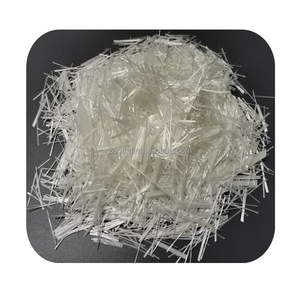
Sisal fiber originates from the agave plant. This plant grows well in hot, dry places. Farmers reduced the leaves to get the long fibers inside. This fiber is strong and hard. It lasts a long period of time. It really feels harsh to the touch. Sisal is a natural material. It damages down safely in the setting. This makes it green. It is also lasting. Farmers can grow new plants easily. They do not need much water or chemicals. This fiber is renewable. This benefits the planet.
The raw fiber has an all-natural appearance. It usually reveals tiny variants. This belongs to its appeal. The spinning process maintains this pattern. It gives the thread an unique structure. The fiber is extremely tight. It does not extend a lot. It stands up to damage from salted water. It stands up well versus sunshine. It is additionally fire-resistant. This fiber is not hurt by insects or rot. These qualities make it very useful.
Sisal fiber has several uses. Individuals use it for ropes and twines. These are solid for linking points. It makes challenging rugs and floor coverings. These deal with lots of walking. The fiber works in brushes and furniture. It provides a durable surface area. A crucial usage remains in construction. Home builders mix sisal fiber right into concrete. The fibers load areas in the mix. This makes the concrete stronger. It helps prevent cracking. The concrete holds together much better. This is very important for structures and roadways. The fiber additionally makes geotextiles. These help control dirt erosion. Farmers use these on hillsides. The fiber is additionally made use of for crafts. People weave it right into bags and decors.
Applications of Sisal Fiber Eco-Friendly Natural Sustainable Fiber with Raw Pattern Spinning Concrete Filling Applications
Sisal fiber comes from the agave plant. It expands naturally. This makes sisal a really eco-friendly material. Individuals harvest the plant leaves. They draw out solid, harsh fibers. These fibers are tough and long-lasting. Sisal is a sustainable choice. The plants expand back quickly. They do not need much water or chemicals. Farming sisal aids the land keep healthy and balanced. This fiber is naturally degradable. It damages down naturally with time. It does not damage the atmosphere.
People make use of sisal fiber in rotating. This indicates making yarn or twine. The fiber has a raw, natural structure. This appearance is prominent in home design. You see it in carpets and carpets. The rough feel offers a distinct design. Sisal twine is strong. It’s good for connecting things safely. Craftspeople like it for baskets and mats. The all-natural pattern proves. It adds a rustic charm to products.
Sisal fiber is likewise valuable in building. Builders mix it right into concrete. The fibers act like little reinforcements. They hold the concrete with each other much better. This helps prevent cracks. Concrete with sisal fiber is more powerful. It lasts longer under stress and anxiety. Utilizing natural fibers is good for the world. It minimizes the demand for artificial products. These artificial options often come from oil. Sisal is a renewable alternative. It makes concrete extra sustainable. The filling up application is basic. Workers blend the fibers right into the wet mix. The result is a better structure product. It’s tough and earth-friendly.
Company Profile
We are the global leader in lightweight concrete and advanced engineered foam solutions. Known globally for its commitment to research, innovation, and applied expertise, we have been providing engineered foam solutions since the early 2012’s.
We can supply high-quality concrete admixture and foam concrete related products all over the world.
The company has a professional technical department and quality supervision department, a well-equipped laboratory, and equipped with advanced testing equipment and after-sales customer service center.
If you are interested, please feel free and contact us.
Payment
T/T, Western Union, Paypal, Credit Card etc.
Shipment
By air, by sea, by express, as customers request.
5 FAQs of Sisal Fiber Eco-Friendly Natural Sustainable Fiber with Raw Pattern Spinning Concrete Filling Applications
Sisal fiber is a natural plant fiber. People harvest it from the leaves of the agave plant. It is strong and durable. This makes it useful for many things. People value it because it is eco-friendly and sustainable.
What makes sisal fiber eco-friendly?
Sisal fiber comes from a renewable plant source. Farmers grow agave plants without needing much water. They don’t need harmful pesticides either. The plants absorb carbon dioxide as they grow. Processing the fiber uses little energy compared to synthetic fibers. It breaks down naturally at the end of its life. This means it doesn’t add to landfill waste.
How is sisal fiber sustainable?
Agave plants grow well in dry, poor soil. This land is often not good for food crops. Growing sisal helps farmers in these areas earn money. The plants help stop soil erosion. They improve the soil over time. Sisal farming supports local communities. The fiber itself lasts a long time. This reduces the need to replace products often.
What does “Raw Pattern Spinning” mean for sisal?
Raw pattern spinning refers to a specific way of processing sisal fiber. It keeps the fiber looking natural and slightly rough. This method doesn’t try to make the fiber perfectly smooth or uniform. It highlights the fiber’s inherent texture and strength. The resulting yarn has a rustic, earthy appearance. People like this look for natural, handmade-style products.
Why is sisal fiber good for concrete filling applications?
Sisal fiber adds strength to concrete mixtures. It helps control cracking as the concrete sets and dries. The fibers mix well with the cement paste. They spread evenly throughout the mixture. This reinforcement is especially useful for thin concrete sections. It is also good for precast concrete elements. Sisal is cheaper than some synthetic reinforcement fibers. It is also more sustainable.
What are the main benefits of using sisal fiber?
Sisal fiber is very tough. It resists damage from saltwater. This makes it good for marine ropes. It is naturally fire-resistant. It doesn’t melt like plastic fibers. Sisal is biodegradable. It won’t pollute the environment. It absorbs sound well. This is useful in building materials. It is breathable. This makes it comfortable in fabrics. It is a versatile, natural material.