Concrete-mesa | Concrete Admixtures, Tools, and Production Machines

Cellular Lightweight ConcreteProtein Foaming Agent CLC Blocks Concrete Additives
PRODUCT PARAMETERS
Description
Overview of Cellular Lightweight ConcreteProtein Foaming Agent CLC Blocks Concrete Additives
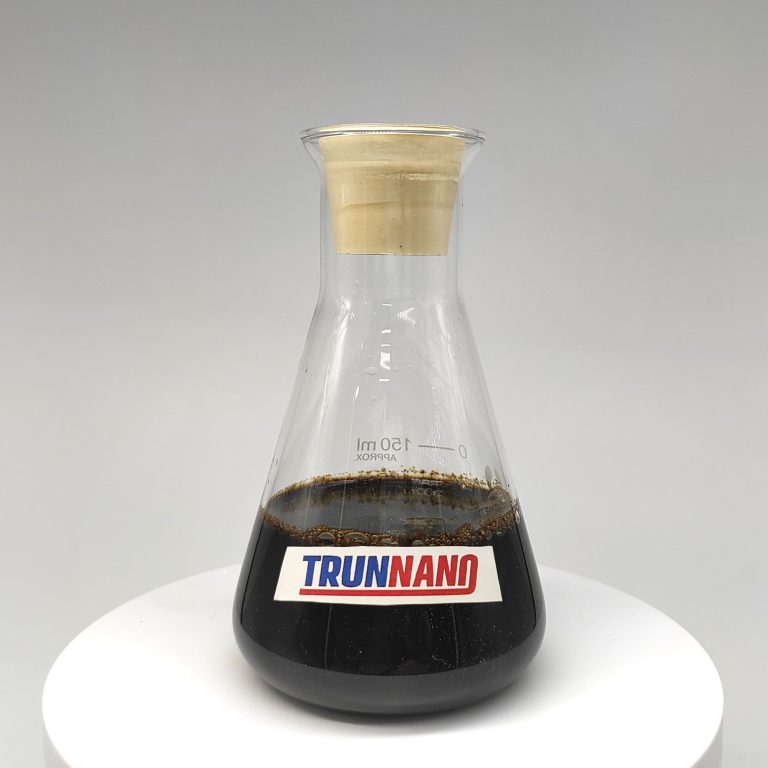
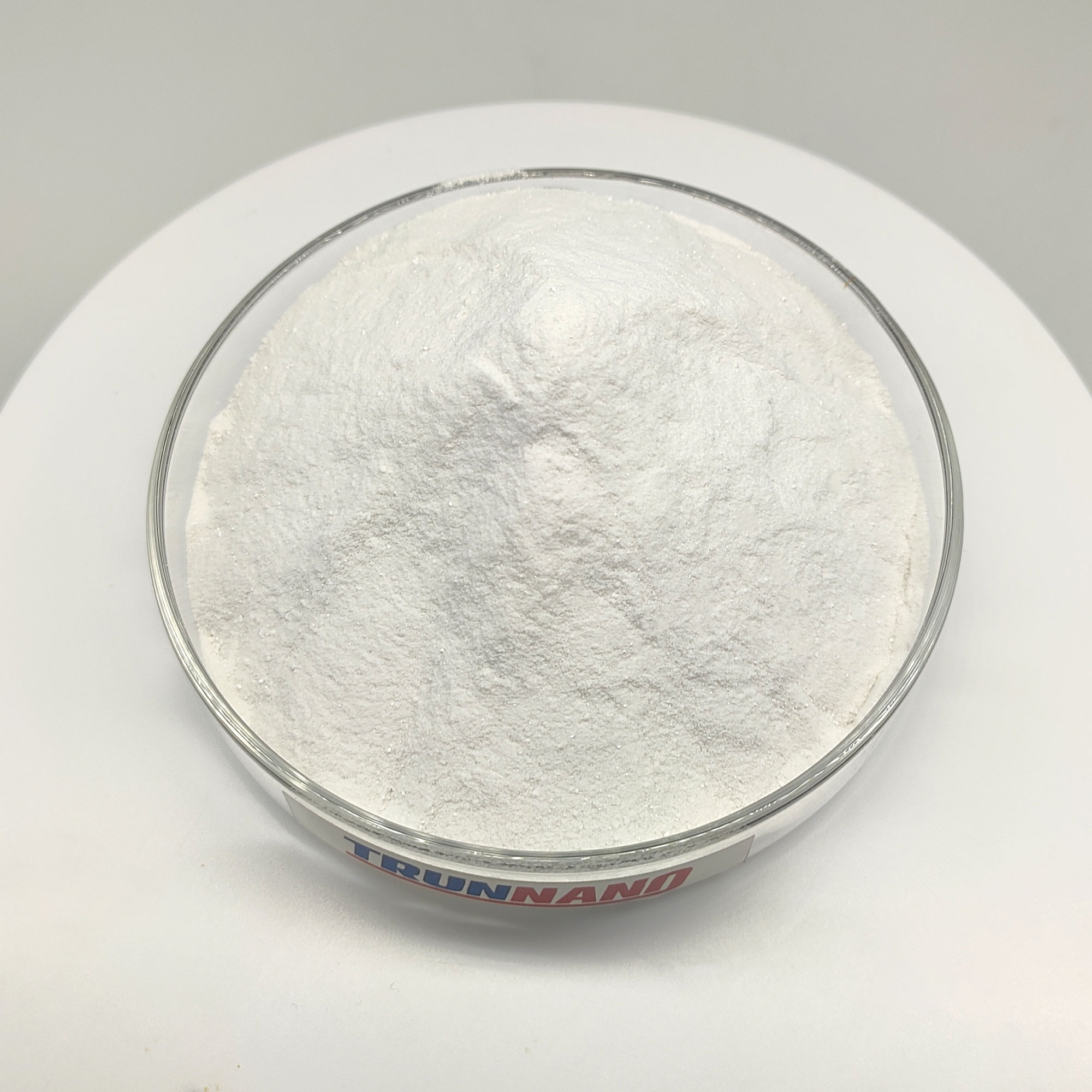
Cellular Lightweight ConcreteProtein Foaming Agent CLC Blocks Concrete Additives is a surfactant that generates large quantities of uniform, stable foam through physical or chemical means. When this foam is thoroughly mixed with cement-based slurry (cement, fly ash, etc.) and cured naturally or with steam, it forms a novel lightweight material—foam concrete—internally filled with numerous closed air cells.
Features of Cellular Lightweight ConcreteProtein Foaming Agent CLC Blocks Concrete Additives
1. High Foam Multiplication Ratio: High foam multiplication ratio allows for dilution before use. One kilogram of concentrate generates a large volume of uniform foam, delivering significant cost savings.
2. Strong Foam Stability: Produces resilient, uniformly fine foam walls that resist collapse or breakage. Effectively withstands pressure from cement slurry, ensuring independent and sealed air cells within the finished product.
3. Uniform and Fine Pore Structure: The foam concrete exhibits an ideal internal structure of closed spherical micro-pores, guaranteeing superior physical properties.
4. Low Material Consumption: Achieves equivalent density and strength grades with lower dosage than standard market products, reducing costs.
5. Eco-friendly and safe: Neutral formulation, non-toxic, odorless, and non-corrosive, posing no harm to the environment or human health. Classified as a green building material.
6. Wide adaptability: Excellent compatibility with various cements (including ordinary Portland cement and aluminate cement) and admixtures. Rapid foaming action with extended foam stability.

Specifications of Cellular Lightweight ConcreteProtein Foaming Agent CLC Blocks Concrete Additives
This healthy protein lathering agent makes Mobile Lightweight Concrete obstructs. It assists create small, stable air bubbles in the concrete mix. This makes the concrete much lighter than normal concrete. You get blocks that are simpler to take care of and construct with.
It manages the final thickness of the CLC blocks effectively. You can readjust the foam total up to obtain different thickness. Usual densities vary from 600 kg/m five to 1800 kg/m five. This adaptability suits numerous building requirements. The foam bubbles are strong and last. They do not collapse conveniently during blending or pouring. This provides a constant cell structure throughout the block.
The light-weight blocks still have good stamina for their weight. They meet building criteria for bearing walls. The air bubbles additionally work as insulation. CLC blocks made with this agent maintain warm in or out properly. This saves energy for heating and cooling buildings. The blocks additionally help reduce noise.
Blending is simple. You include the representative to water and foam it utilizing a generator. Then you blend this foam into the concrete slurry. The procedure deals with typical concrete mixing tools. The agent is steady with time. Stored appropriately, it maintains its frothing power for months. It functions well with common concrete kinds and sand.
Utilizing this representative makes CLC manufacturing effective. The blocks heal usually. They dry without requiring unique problems. Home builders discover them very easy to reduce and shape on website. The blocks are fire resistant as well. They contribute to sustainable structure because they utilize less raw material.
Applications of Cellular Lightweight ConcreteProtein Foaming Agent CLC Blocks Concrete Additives
CLC blocks are lightweight structure products. Protein lathering representatives make this feasible. These agents are unique additives. They create lots of little air bubbles inside the concrete mix. The bubbles form when you mix the representative with water. Then you include this sudsy mix to the cement slurry. The air bubbles get entraped as the concrete hardens. This trapped air makes the concrete much lighter.
The main advantage is decreased weight. CLC obstructs evaluate much less than normal cinder block. Handling these blocks is easier. Workers obtain less worn out. Structure wall surfaces goes much faster. Delivering blocks costs less. Making use of lighter blocks means foundations can be smaller. This saves cash.
CLC blocks also shield well. The air pockets inside quit warmth from relocating quickly. Buildings stay warmer in winter season. Structures remain cooler in summer season. Much less heating and cooling energy is required. This saves cash with time. It makes structures a lot more comfortable.
Fire resistance is one more benefit. Concrete itself doesn’t melt. The trapped air includes in this protection. CLC block walls can withstand fire longer than some other materials. This improves structure security.
Utilizing CLC blocks conserves concrete. Air replaces some strong product. Less cement is needed for the exact same quantity. Concrete production uses energy and creates exhausts. Utilizing much less cement aids the atmosphere. Prices go down as well.
These blocks are flexible. Builders utilize them for inner and exterior walls. They help dividers walls. Contractors utilize them for roof covering insulation screeds. They fill voids in structures. Home builders use them for trench reinstatement. They benefit void dental filling. CLC blocks lowered building and construction time. They reduced labor prices. They minimize the general structure weight. Protein foaming agents make all this feasible. They are essential to making good CLC blocks. Home builders select them for performance and performance.
Company Profile
We are the global leader in lightweight concrete and advanced engineered foam solutions. Known globally for its commitment to research, innovation, and applied expertise, we have been providing engineered foam solutions since the early 2012’s.
We can supply high-quality concrete admixture and foam concrete related products all over the world.
The company has a professional technical department and quality supervision department, a well-equipped laboratory, and equipped with advanced testing equipment and after-sales customer service center.
If you are interested, please feel free and contact us.
Payment
T/T, Western Union, Paypal, Credit Card etc.
Shipment
By air, by sea, by express, as customers request.
5 FAQs of Cellular Lightweight ConcreteProtein Foaming Agent CLC Blocks Concrete Additives
Here are five common questions about Cellular Lightweight Concrete (CLC) blocks and the Protein Foaming Agent additives used to make them.
What is Cellular Lightweight Concrete? Cellular Lightweight Concrete is a special kind of concrete. It contains many tiny air bubbles. These bubbles make the concrete much lighter than regular concrete. The bubbles are created using a foaming agent mixed into the cement slurry.
How does the Protein Foaming Agent work? The Protein Foaming Agent creates stable foam. You mix this foam with cement, sand, and water. This foam introduces millions of small air pockets into the mix. These air pockets stay in place when the concrete hardens. This makes the final CLC block lightweight.
Why use CLC blocks instead of regular concrete blocks? CLC blocks are much lighter. This makes them easier to handle and transport. Lighter blocks can reduce building costs. CLC blocks also provide good thermal insulation. This helps keep buildings warmer in winter and cooler in summer. They offer sound insulation benefits too.
Where can CLC blocks be used? CLC blocks are suitable for many building projects. They are excellent for constructing walls in houses and apartment buildings. Builders use them for partition walls inside offices and factories. They are also used for filling voids in construction. Their insulating properties make them valuable for creating energy-efficient structures.
Why choose a Protein Foaming Agent over synthetic foaming agents? Protein Foaming Agents create stronger, more stable foam bubbles. These bubbles are less likely to collapse during mixing and pouring. This results in a more consistent final product with better strength. Protein agents are generally more durable and perform well over time.