Concrete4U | Concrete Admixtures, Tools, and Production Machines

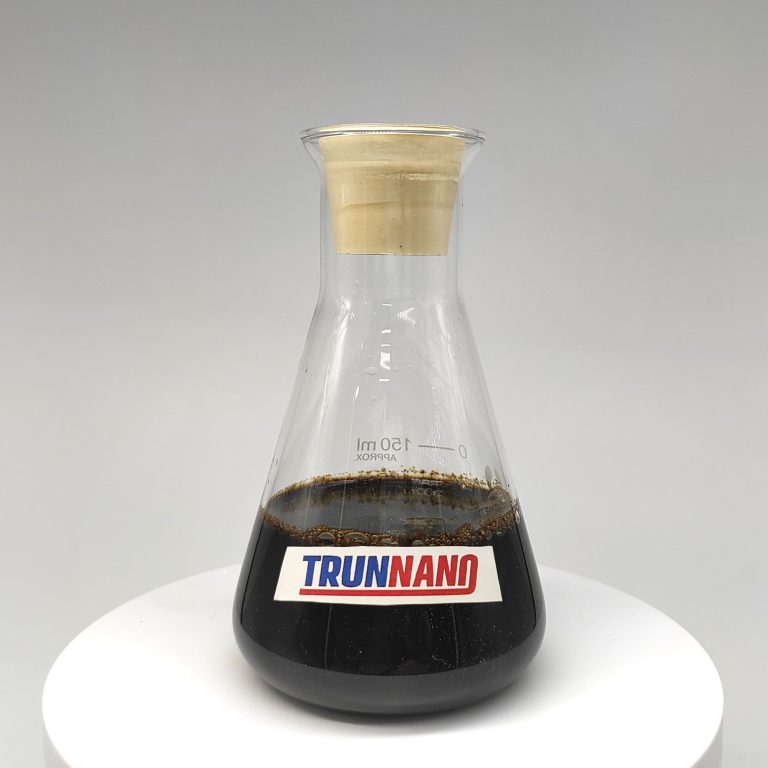
CLC Cellular Lightweight Concrete Plant Chemical Auxiliary Agent Vesicant Protein Foaming Agent
PRODUCT PARAMETERS
Description
Overview of CLC Cellular Lightweight Concrete Plant Chemical Auxiliary Agent Vesicant Protein Foaming Agent
CLC Cellular Lightweight Concrete Plant Chemical Auxiliary Agent Vesicant Protein Foaming Agent is a surfactant that generates large quantities of uniform, stable foam through physical or chemical means. When this foam is thoroughly mixed with cement-based slurry (cement, fly ash, etc.) and cured naturally or with steam, it forms a novel lightweight material—foam concrete—internally filled with numerous closed air cells.
Features of CLC Cellular Lightweight Concrete Plant Chemical Auxiliary Agent Vesicant Protein Foaming Agent
1. High Foam Multiplication Ratio: High foam multiplication ratio allows for dilution before use. One kilogram of concentrate generates a large volume of uniform foam, delivering significant cost savings.
2. Strong Foam Stability: Produces resilient, uniformly fine foam walls that resist collapse or breakage. Effectively withstands pressure from cement slurry, ensuring independent and sealed air cells within the finished product.
3. Uniform and Fine Pore Structure: The foam concrete exhibits an ideal internal structure of closed spherical micro-pores, guaranteeing superior physical properties.
4. Low Material Consumption: Achieves equivalent density and strength grades with lower dosage than standard market products, reducing costs.
5. Eco-friendly and safe: Neutral formulation, non-toxic, odorless, and non-corrosive, posing no harm to the environment or human health. Classified as a green building material.
6. Wide adaptability: Excellent compatibility with various cements (including ordinary Portland cement and aluminate cement) and admixtures. Rapid foaming action with extended foam stability.

Specifications of CLC Cellular Lightweight Concrete Plant Chemical Auxiliary Agent Vesicant Protein Foaming Agent
This is a protein-based foaming agent. It’s for making cellular lightweight concrete (CLC). Use it in CLC plants. It creates stable foam bubbles. These bubbles lighten the concrete mix. The agent is highly concentrated. Dilute it with water before use. The dilution ratio is important. It affects the final foam quality. Typical ratios range from 1:30 to 1:40. This depends on your desired foam density. You need a foam generator. The machine mixes the diluted agent with compressed air. This process produces consistent foam. The foam must be stable. Stable foam prevents collapse during mixing. It ensures uniform bubbles in the cured concrete.
The agent gives fine, closed-cell foam structure. This structure is crucial. It provides excellent strength-to-weight ratio. The foam density can be controlled. Target densities are usually between 50 kg/m³ and 150 kg/m³. The bubbles should be uniform. Uniformity means consistent cell size. This leads to predictable concrete properties. The agent works well with cement. It is compatible with ordinary Portland cement. It is also compatible with fly ash and sand. This makes it versatile for different mix designs. The agent is stable in storage. Keep it in a cool, dry place. Avoid direct sunlight. The shelf life is typically six months to one year. Check the manufacturer’s date.
Using this agent is straightforward. Follow the recommended dilution. Adjust based on your foam generator settings. Good foam quality is vital. It directly impacts the CLC block quality. Poor foam causes weak concrete. Proper foam gives lightweight, insulating blocks. The agent helps reduce the concrete’s density. Lightweight concrete saves material costs. It also improves thermal and acoustic insulation. It makes handling blocks easier. This agent is a key chemical for efficient CLC production. It ensures reliable foam generation batch after batch. Consistent foam means consistent product quality.
Applications of CLC Cellular Lightweight Concrete Plant Chemical Auxiliary Agent Vesicant Protein Foaming Agent
CLC concrete makes strong lightweight blocks. Adding foam creates air pockets inside. This foam agent helps make that foam. It’s a protein-based liquid. You mix it with water and air to create bubbles. These bubbles mix into cement slurry. The foam must stay stable. It shouldn’t collapse when mixed or poured. This agent creates very stable foam bubbles. Stable foam means the concrete mix won’t separate. The air pockets stay evenly spread. This gives the concrete good strength. It also keeps the density low. Low density makes the blocks lightweight. They are easier to handle and transport. Builders save time and effort.
Using this foaming agent improves efficiency. You need less material to fill the same volume. The bubbles take up space instead of solid material. This reduces the amount of cement and sand needed. Less material means lower costs. It also makes production faster. The foam mixes easily into the slurry. The concrete sets well with consistent density. Consistent density gives reliable strength and insulation. Good foam prevents weak spots. Weak concrete cracks or breaks easily. This agent helps avoid that problem. It’s designed for use in CLC plants. Machines inject the foam into the wet mix. The agent works reliably in automated systems. It helps produce large volumes of quality blocks. These blocks are used for walls, partitions, and insulation. They provide good thermal and sound insulation. The protein base is often more eco-friendly than synthetic options. It offers a practical solution for lightweight construction.
Company Profile
We are the global leader in lightweight concrete and advanced engineered foam solutions. Known globally for its commitment to research, innovation, and applied expertise, we have been providing engineered foam solutions since the early 2012’s.
We can supply high-quality concrete admixture and foam concrete related products all over the world.
The company has a professional technical department and quality supervision department, a well-equipped laboratory, and equipped with advanced testing equipment and after-sales customer service center.
If you are interested, please feel free and contact us.
Payment
T/T, Western Union, Paypal, Credit Card etc.
Shipment
By air, by sea, by express, as customers request.
5 FAQs of CLC Cellular Lightweight Concrete Plant Chemical Auxiliary Agent Vesicant Protein Foaming Agent
Here’s the product content you requested about the CLC Cellular Lightweight Concrete Plant Chemical Auxiliary Agent Vesicant Protein Foaming Agent:
This product is a specialized protein-based foaming agent. It is designed specifically for making Cellular Lightweight Concrete (CLC). Builders use this agent to create strong, stable foam. This foam mixes with cement slurry. The result is lightweight concrete blocks or panels. These blocks offer good insulation and strength.
Why is this foaming agent important? Making lightweight concrete requires stable foam. Poor foam collapses easily. Collapsed foam ruins the concrete mix. This agent produces tough bubbles. These bubbles survive the mixing process. They hold their shape inside the concrete. This ensures the final product has the right density.
How does it work? The agent contains special proteins. When you mix it with water and air, it creates foam. The proteins form a protective layer around each air bubble. This layer makes the bubbles resistant. They don’t break easily during pumping or pouring. The foam stays consistent throughout production.
How do you use it? Mix the agent with water first. Create a foam solution. Then inject air into this solution using a foam generator. This produces the stable foam. You add this foam to the cement slurry. The mixing ratio depends on your target density. Always follow the manufacturer’s instructions. Proper dilution is key for good results.
What are the benefits? Using this protein foaming agent gives several advantages. It helps create consistent, high-quality CLC. The concrete has uniform cell structure. This means better strength and thermal insulation. The agent works efficiently. You use less material to achieve the desired foam volume. It is environmentally friendly too. Protein-based agents often have lower environmental impact.