Concrete-mesa | Concrete Admixtures, Tools, and Production Machines

Foam Concrete Block Agent Foaming Agent Clc Block Foaming Agent for Concrete
PRODUCT PARAMETERS
Description
Overview of Foam Concrete Block Agent Foaming Agent Clc Block Foaming Agent for Concrete
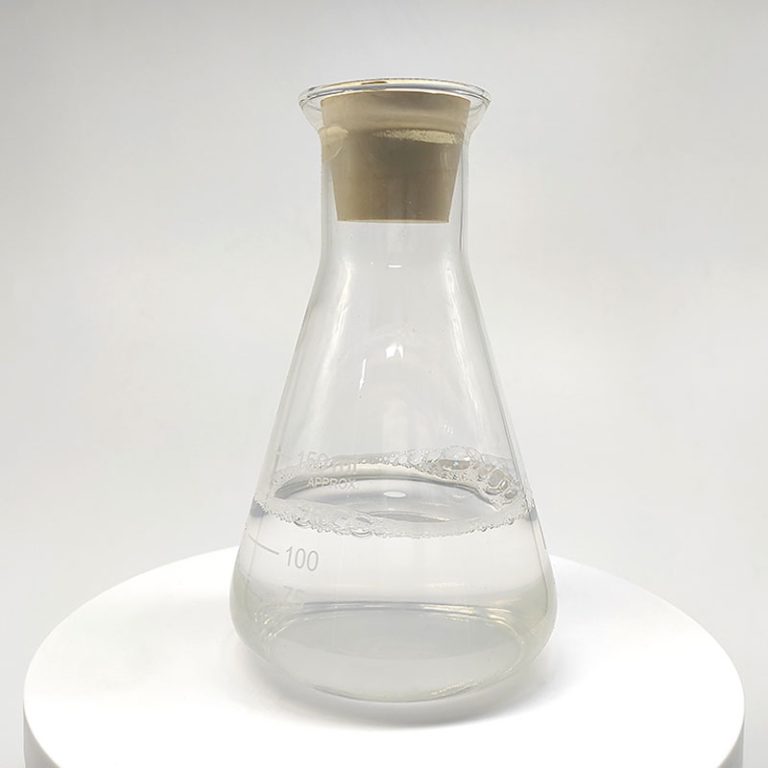
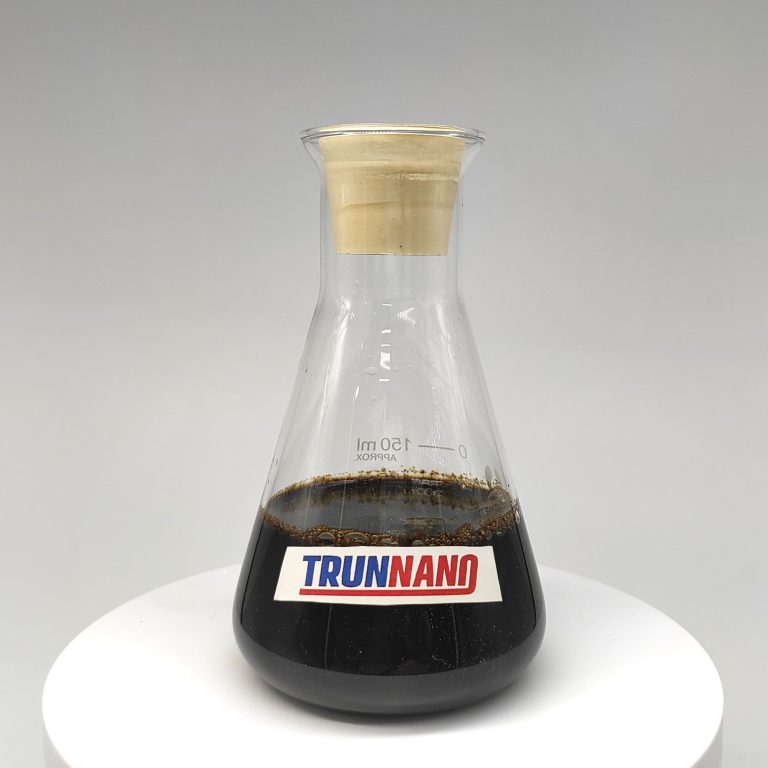
Foam Concrete Block Agent Foaming Agent Clc Block Foaming Agent for Concrete is a surfactant that generates large quantities of uniform, stable foam through physical or chemical means. When this foam is thoroughly mixed with cement-based slurry (cement, fly ash, etc.) and cured naturally or with steam, it forms a novel lightweight material—foam concrete—internally filled with numerous closed air cells.
Features of Foam Concrete Block Agent Foaming Agent Clc Block Foaming Agent for Concrete
1. High Foam Multiplication Ratio: High foam multiplication ratio allows for dilution before use. One kilogram of concentrate generates a large volume of uniform foam, delivering significant cost savings.
2. Strong Foam Stability: Produces resilient, uniformly fine foam walls that resist collapse or breakage. Effectively withstands pressure from cement slurry, ensuring independent and sealed air cells within the finished product.
3. Uniform and Fine Pore Structure: The foam concrete exhibits an ideal internal structure of closed spherical micro-pores, guaranteeing superior physical properties.
4. Low Material Consumption: Achieves equivalent density and strength grades with lower dosage than standard market products, reducing costs.
5. Eco-friendly and safe: Neutral formulation, non-toxic, odorless, and non-corrosive, posing no harm to the environment or human health. Classified as a green building material.
6. Wide adaptability: Excellent compatibility with various cements (including ordinary Portland cement and aluminate cement) and admixtures. Rapid foaming action with extended foam stability.

Specifications of Foam Concrete Block Agent Foaming Agent Clc Block Foaming Agent for Concrete
This foam cinder block representative produces little air bubbles in concrete mixes. It makes light-weight foam concrete obstructs. Individuals call it a frothing representative or CLC block frothing agent too. It aids generate blocks with great toughness and insulation.
The agent normally comes as a concentrated fluid. You need to dilute it with water before utilizing it. The appropriate dilution ratio is extremely vital. Typical proportions are in between 1:30 and 1:60. This implies one component agent mixed with thirty to sixty parts water. Inspect the details product instructions.
Different dilution proportions regulate the final block thickness. A higher agent focus makes a lot more foam. Even more foam indicates lower density blocks. Lower density blocks are lighter and have better insulation. Yet they could be slightly much less solid. Discovering the ideal balance is crucial. You require enough strength for the work.
People use this representative with unique foam generators. The generator mixes air, water, and the weakened agent. This procedure makes stable foam. After that, employees include this foam to the cement slurry. They mix every little thing with each other well. The foam spreads out evenly throughout the blend. This creates the lightweight concrete. The foam sets as the concrete hardens. It leaves lots of little, closed air pockets inside the block. These air pockets give the block its unique residential properties. The agent deals with normal concrete, sand, and water blends. Excellent blending makes certain consistent foam and obstruct top quality.
Applications of Foam Concrete Block Agent Foaming Agent Clc Block Foaming Agent for Concrete
Foam concrete block representatives are special components. These representatives make bubbles in concrete mixes. This produces foam concrete. Foam concrete is much lighter than routine concrete. It’s additionally strong and keeps warmth in well. Builders utilize it for lots of points.
One major usage is making lightweight blocks. These blocks are simple to take care of. Workers can relocate and put them promptly. This conserves time and labor on constructing websites. The blocks are called CLC obstructs in some cases. CLC implies Cellular Lightweight Concrete. The lathering representative is vital for making these blocks. It regulates the number of bubbles develop. This impacts the block’s weight and toughness.
These agents likewise aid make putting concrete easier. Home builders pour foam concrete into molds or directly right into walls. The foam concrete circulations smoothly right into forms. It fills up voids and sets evenly. This benefits insulating walls and roofings. It maintains structures cozy in winter months and cool in summertime.
Another use is for loading empty spaces underground. Old pipelines or tunnels occasionally require filling up. Foam concrete is perfect. It moves quickly into difficult situations. It hardens without diminishing much. This protects against future ground movement. Road building contractors use it under freeways. It gives a secure base.
Foam concrete made with these representatives stands up to fire well. The little air pockets imitate insulation. Fire takes longer to spread with it. This makes buildings much safer. It’s a great choice for fire walls.
The lathering agent aids regulate expenses also. Less cement is required due to the air bubbles. This conserves cash. The lighter weight means smaller sized foundations are feasible. That conserves a lot more money on big projects. Builders obtain a helpful material that saves time and cash. Engineers like its design adaptability.
Company Profile
We are the global leader in lightweight concrete and advanced engineered foam solutions. Known globally for its commitment to research, innovation, and applied expertise, we have been providing engineered foam solutions since the early 2012’s.
We can supply high-quality concrete admixture and foam concrete related products all over the world.
The company has a professional technical department and quality supervision department, a well-equipped laboratory, and equipped with advanced testing equipment and after-sales customer service center.
If you are interested, please feel free and contact us.
Payment
T/T, Western Union, Paypal, Credit Card etc.
Shipment
By air, by sea, by express, as customers request.
5 FAQs of Foam Concrete Block Agent Foaming Agent Clc Block Foaming Agent for Concrete
Okay, here’s the content you asked for. It’s about foam concrete block agents, written simply and directly.
People ask about Foam Concrete Block Agents. They want to know how they work. Here are five common questions.
What does a Foam Concrete Block Agent actually do? It makes bubbles in the concrete mix. These bubbles stay put inside the concrete when it hardens. This creates lightweight concrete blocks. These blocks are much lighter than normal concrete. They are easier to handle. They offer better insulation too.
Why is controlling density important? The amount of agent used changes the foam amount. More foam makes lighter blocks. Less foam makes stronger blocks. You need the right balance. The correct density depends on the block’s job. Insulation blocks need lower density. Structural blocks need higher density. Getting the density wrong means bad blocks.
How does the agent make foam? The agent contains special chemicals. You mix it with water and air. This mixing creates lots of tiny, strong bubbles. These bubbles must be stable. Stable bubbles don’t collapse quickly. They survive the mixing process. They stay in the concrete until it sets. Unstable foam ruins the block.
How do you mix the agent into the concrete? You must follow the instructions exactly. Usually, you dilute the agent in water first. You create a foam solution. Then you inject this foam solution into the wet concrete mix. The mixing process is critical. Mix too little, the foam won’t spread well. Mix too much, you break the bubbles. Both problems make bad blocks.
Are there safety precautions needed? Yes, always handle chemicals carefully. Wear gloves. Wear eye protection. Avoid breathing in any dust or mist. Avoid skin contact. Wash off any spills immediately. Follow the safety sheet from the supplier. Store the agent properly. Keep it away from kids.