Concrete4U | Concrete Admixtures, Tools, and Production Machines

Foaming Agent for Concrete with Low
PRODUCT PARAMETERS
Description
Overview of Foaming Agent for Concrete with Low
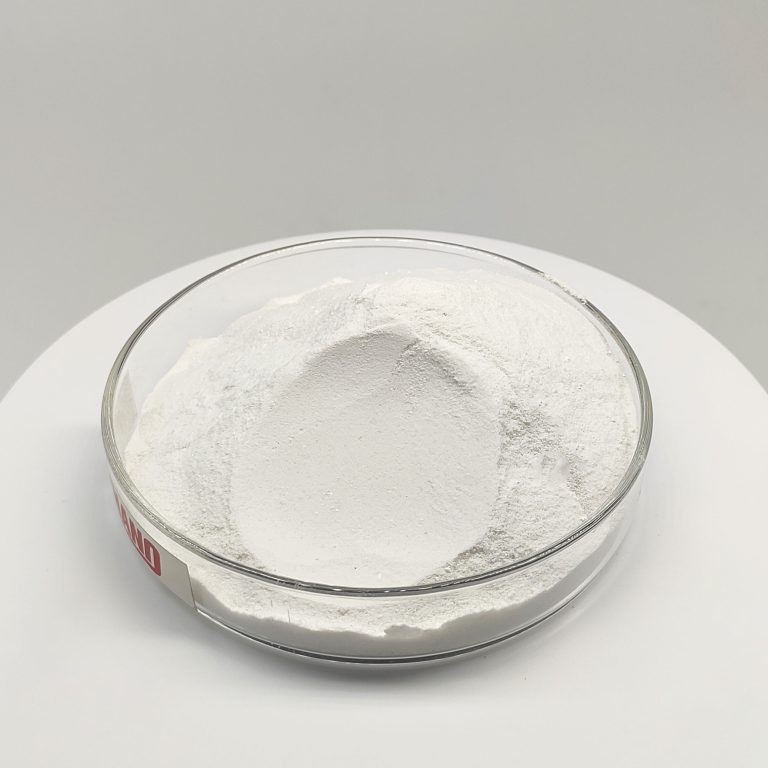
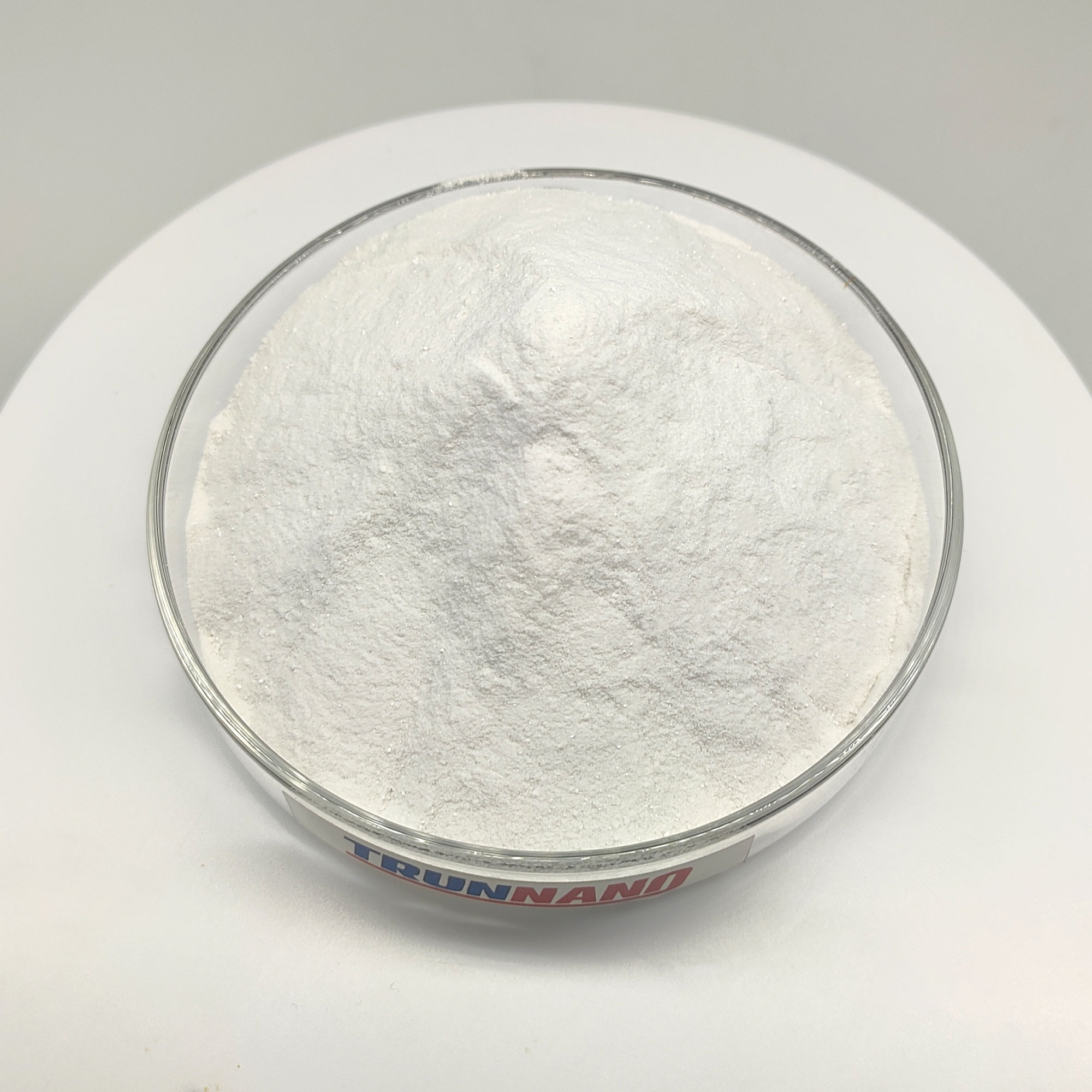
Foaming Agent for Concrete with Low is a surfactant that generates large quantities of uniform, stable foam through physical or chemical means. When this foam is thoroughly mixed with cement-based slurry (cement, fly ash, etc.) and cured naturally or with steam, it forms a novel lightweight material—foam concrete—internally filled with numerous closed air cells.
Features of Foaming Agent for Concrete with Low
1. High Foam Multiplication Ratio: High foam multiplication ratio allows for dilution before use. One kilogram of concentrate generates a large volume of uniform foam, delivering significant cost savings.
2. Strong Foam Stability: Produces resilient, uniformly fine foam walls that resist collapse or breakage. Effectively withstands pressure from cement slurry, ensuring independent and sealed air cells within the finished product.
3. Uniform and Fine Pore Structure: The foam concrete exhibits an ideal internal structure of closed spherical micro-pores, guaranteeing superior physical properties.
4. Low Material Consumption: Achieves equivalent density and strength grades with lower dosage than standard market products, reducing costs.
5. Eco-friendly and safe: Neutral formulation, non-toxic, odorless, and non-corrosive, posing no harm to the environment or human health. Classified as a green building material.
6. Wide adaptability: Excellent compatibility with various cements (including ordinary Portland cement and aluminate cement) and admixtures. Rapid foaming action with extended foam stability.

Specifications of Foaming Agent for Concrete with Low
This foaming agent makes concrete lighter. It creates tiny bubbles inside the mix. These bubbles replace some of the heavy sand and gravel. The result is low-density concrete. This concrete is easier to handle. It offers better insulation. It reduces the overall weight of structures.
The agent needs specific qualities. First, it must make stable foam. The foam shouldn’t collapse quickly. Stable foam ensures consistent concrete quality. The bubble size is critical. Small, evenly sized bubbles work best. They give the concrete strength. Large bubbles weaken the material.
The density reduction is key. Good agents lower concrete density significantly. They achieve target weights effectively. The dosage rate matters. You add a small amount to the mix. The exact amount depends on the desired density. Follow the manufacturer’s instructions precisely.
Compatibility is essential. The agent must work well with other concrete ingredients. It shouldn’t react badly with cement or additives. Environmental factors affect performance. Temperature and water quality can influence the foam. Check the product guidelines for details.
Shelf life is important. Store the agent properly. Keep it in a cool, dry place. Avoid direct sunlight. Proper storage extends its usability. Use it before the expiration date. This ensures reliable results every time.
Applications of Foaming Agent for Concrete with Low
Foaming agents are key for making low-density concrete. They create tiny air bubbles inside the concrete mix. This makes the concrete much lighter. Lighter concrete has many good uses.
Builders use this lightweight concrete in places where heavy weight is bad. Think about tall buildings. Less weight means less stress on the structure. Foundations also benefit. Less weight pressing down helps prevent settlement problems. Floors and roofs in big buildings get built with it too. The lighter slabs are easier to handle. They put less load on the supports.
This foamed concrete is also a good insulator. The trapped air pockets stop heat moving easily. People use it for insulating walls and floors. It helps keep buildings warm in winter and cool in summer. This saves energy. The air bubbles also block sound well. Builders put it between floors or in partition walls. This cuts down noise traveling between rooms or apartments.
Fire resistance is another big plus. The air pockets slow down how fast heat moves through the concrete. This gives more time in a fire. Walls and structures made with this concrete hold up longer. This helps keep buildings safer.
Making this concrete is straightforward. You add the foaming agent to the mix. It creates stable bubbles throughout the wet concrete. When it hardens, the bubbles stay. You get a strong material that weighs much less than regular concrete. Builders like it for its versatility. It solves several problems at once.
Company Profile
We are the global leader in lightweight concrete and advanced engineered foam solutions. Known globally for its commitment to research, innovation, and applied expertise, we have been providing engineered foam solutions since the early 2012’s.
We can supply high-quality concrete admixture and foam concrete related products all over the world.
The company has a professional technical department and quality supervision department, a well-equipped laboratory, and equipped with advanced testing equipment and after-sales customer service center.
If you are interested, please feel free and contact us.
Payment
T/T, Western Union, Paypal, Credit Card etc.
Shipment
By air, by sea, by express, as customers request.
5 FAQs of Foaming Agent for Concrete with Low
What is a foaming agent for concrete?
A foaming agent helps create tiny air bubbles inside concrete mix. These bubbles make the concrete lighter. Low density concrete is less heavy than regular concrete. It is useful for certain building projects.
Why is low density important?
Low density concrete is easier to handle. It puts less stress on structures. It offers better heat and sound insulation. Builders use it where weight matters, like in tall buildings or roofs.
How does the foaming agent create bubbles?
The foaming agent is added to water and air. A special machine mixes these together. This process creates a stable foam. The foam is then mixed into the concrete paste. The bubbles stay inside when the concrete hardens.
What are the benefits?
Using a foaming agent gives several advantages. It reduces the concrete’s weight significantly. It improves the material’s ability to insulate against heat and sound. It also makes the concrete easier to cut and shape later. It can save money on materials.
How is it used correctly?
Proper use is key. The foaming agent concentration must be right. The mixing equipment must be suitable. The water quality matters. The foam must be stable and consistent. Following the manufacturer’s instructions is essential. This ensures good quality low density concrete.