Concrete4U | Concrete Admixtures, Tools, and Production Machines

Foaming Concrete Foam Agent Lightweight Block Agent
PRODUCT PARAMETERS
Description
Overview of Foaming Concrete Foam Agent Lightweight Block Agent
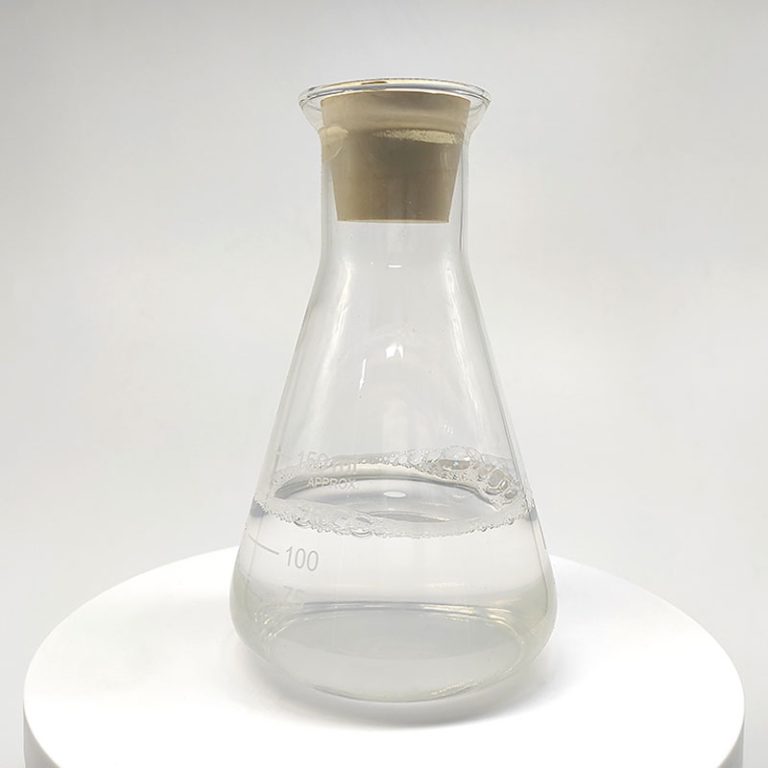
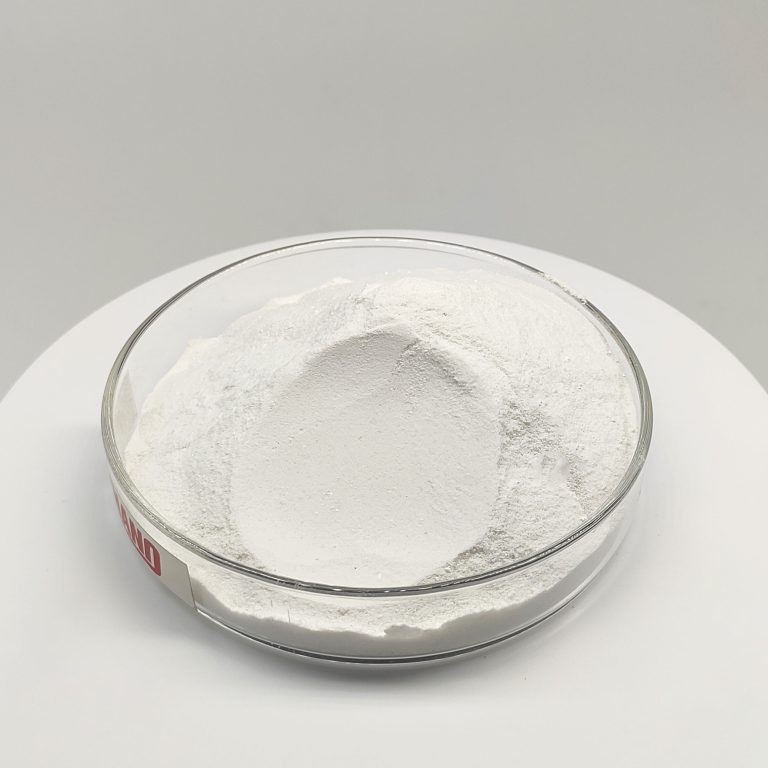
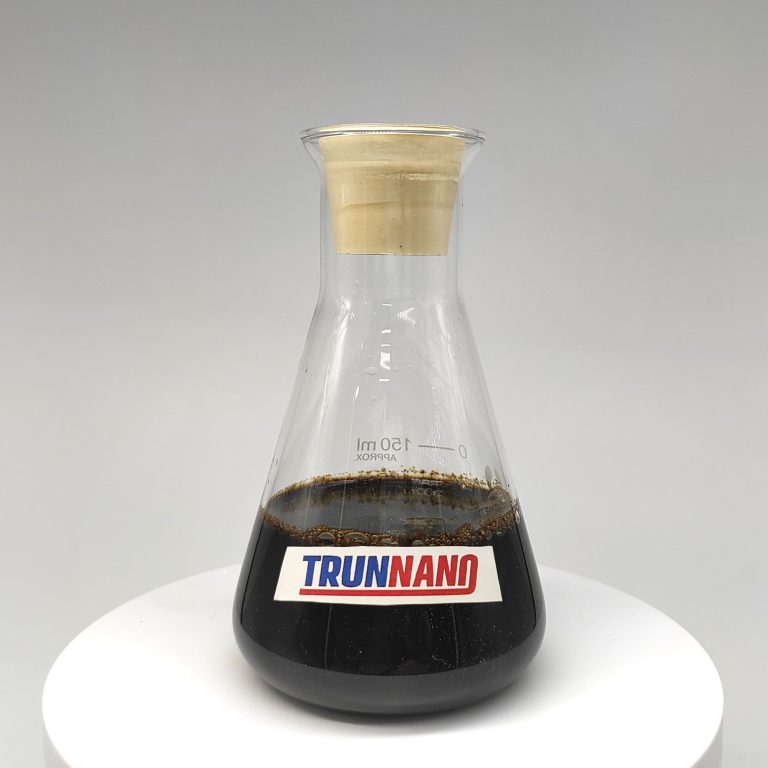
Foaming Concrete Foam Agent Lightweight Block Agent is a surfactant that generates large quantities of uniform, stable foam through physical or chemical means. When this foam is thoroughly mixed with cement-based slurry (cement, fly ash, etc.) and cured naturally or with steam, it forms a novel lightweight material—foam concrete—internally filled with numerous closed air cells.
Features of Foaming Concrete Foam Agent Lightweight Block Agent
1. High Foam Multiplication Ratio: High foam multiplication ratio allows for dilution before use. One kilogram of concentrate generates a large volume of uniform foam, delivering significant cost savings.
2. Strong Foam Stability: Produces resilient, uniformly fine foam walls that resist collapse or breakage. Effectively withstands pressure from cement slurry, ensuring independent and sealed air cells within the finished product.
3. Uniform and Fine Pore Structure: The foam concrete exhibits an ideal internal structure of closed spherical micro-pores, guaranteeing superior physical properties.
4. Low Material Consumption: Achieves equivalent density and strength grades with lower dosage than standard market products, reducing costs.
5. Eco-friendly and safe: Neutral formulation, non-toxic, odorless, and non-corrosive, posing no harm to the environment or human health. Classified as a green building material.
6. Wide adaptability: Excellent compatibility with various cements (including ordinary Portland cement and aluminate cement) and admixtures. Rapid foaming action with extended foam stability.

Specifications of Foaming Concrete Foam Agent Lightweight Block Agent
This foam agent creates lightweight concrete blocks. It reduces block density significantly. Standard concrete blocks feel heavy. Blocks made with this agent feel much lighter. They maintain good strength. The foam agent generates stable air bubbles throughout the concrete mix. These bubbles are key. They displace the heavy sand and gravel normally used. The result is a lighter final product.
The agent controls density effectively. You can achieve densities between 400 kg/m³ and 1800 kg/m³. Lower densities mean better insulation. Higher densities offer more strength. The agent ensures consistent bubble formation. This consistency is vital for uniform block quality. Blocks dry evenly. They avoid cracking or warping.
Mixing the agent is simple. Add it to water first. Create a stable foam solution. Then blend this foam solution into the cement slurry. The ratio depends on your target density. Follow the manufacturer’s guidelines precisely. The foam agent works with most Portland cement types. It integrates smoothly into the mixing process. No special equipment is needed beyond standard concrete mixers and foam generators.
The foam itself is highly stable. It resists collapsing during mixing and pouring. Stable foam means reliable air pockets in the cured block. This stability directly affects the block’s final properties. Blocks exhibit excellent thermal insulation. They provide good soundproofing too. Using this agent lowers material costs. Less cement and aggregate are needed per cubic meter. Handling and transporting the finished lightweight blocks is easier. Labor costs often decrease. The blocks are suitable for non-load-bearing walls and insulating fills. They offer a practical solution for modern construction.
Applications of Foaming Concrete Foam Agent Lightweight Block Agent
Foaming concrete agents create lightweight concrete blocks. These blocks offer real advantages for builders. Partition walls inside buildings are one key use. Lightweight blocks make walls easier to handle. Workers install them faster. This reduces labor costs. The blocks also put less stress on the building structure. Floors benefit too. Lightweight concrete fills spaces under floors well. It provides good insulation against heat and cold. This helps keep buildings warmer in winter and cooler in summer. Energy bills go down. Noise reduction is another plus for floors. Exterior cladding panels use these lightweight blocks. The panels are much easier to lift and fix onto the building frame. Installation is simpler and safer. Material handling becomes less of a problem. Roof insulation is another important application. Lightweight concrete provides an effective thermal layer on flat roofs. It protects the building underneath. The reduced weight means the roof structure doesn’t need extra strengthening. This saves money. Void filling in construction projects uses this material. It fills awkward spaces underground or around pipes. It flows easily into tight spots. The material hardens solidly. It prevents unwanted ground movement. Backfilling trenches is a common job for it. The material is stable and doesn’t settle much later. This avoids problems like sinking pavements. Landscaping projects also use lightweight blocks. They are ideal for building garden walls or raised beds. The blocks are easy to cut and shape on site. They are not too heavy to move around by hand. Their insulating properties help protect plant roots. Builders appreciate the versatility. The material works well for both structural and non-structural jobs. Cost savings come from faster building times and less need for heavy support structures.
Company Profile
We are the global leader in lightweight concrete and advanced engineered foam solutions. Known globally for its commitment to research, innovation, and applied expertise, we have been providing engineered foam solutions since the early 2012’s.
We can supply high-quality concrete admixture and foam concrete related products all over the world.
The company has a professional technical department and quality supervision department, a well-equipped laboratory, and equipped with advanced testing equipment and after-sales customer service center.
If you are interested, please feel free and contact us.
Payment
T/T, Western Union, Paypal, Credit Card etc.
Shipment
By air, by sea, by express, as customers request.
5 FAQs of Foaming Concrete Foam Agent Lightweight Block Agent
What does this foaming agent do?
This agent makes concrete lighter. It creates tiny air bubbles in the mix. This turns regular concrete into foam concrete. Foam concrete is much less heavy.
Why use lightweight blocks?
Lightweight blocks are easier to handle. Workers move them faster. This saves labor time. They put less stress on building structures. Transport costs are lower too. They provide good insulation against heat and sound.
How do I use this agent?
Mix the agent with water first. Follow the instructions on the package for the right water ratio. Stir this mixture well. Add the foamed liquid to your cement, sand, and water slurry. Mix everything thoroughly. Pour the foam concrete into molds to form blocks.
Are lightweight blocks strong enough?
Yes, they have good strength for their weight. They meet building standards for walls and partitions. The exact strength depends on your mix design. Use the correct amount of cement. Control the density carefully. Test sample blocks to be sure.
Is this agent safe to handle?
Wear gloves and goggles. Avoid skin contact. Avoid breathing in dust. Wash any spills off skin immediately. Store it in a cool, dry place away from children. It is not flammable.