Concrete-mesa | Concrete Admixtures, Tools, and Production Machines

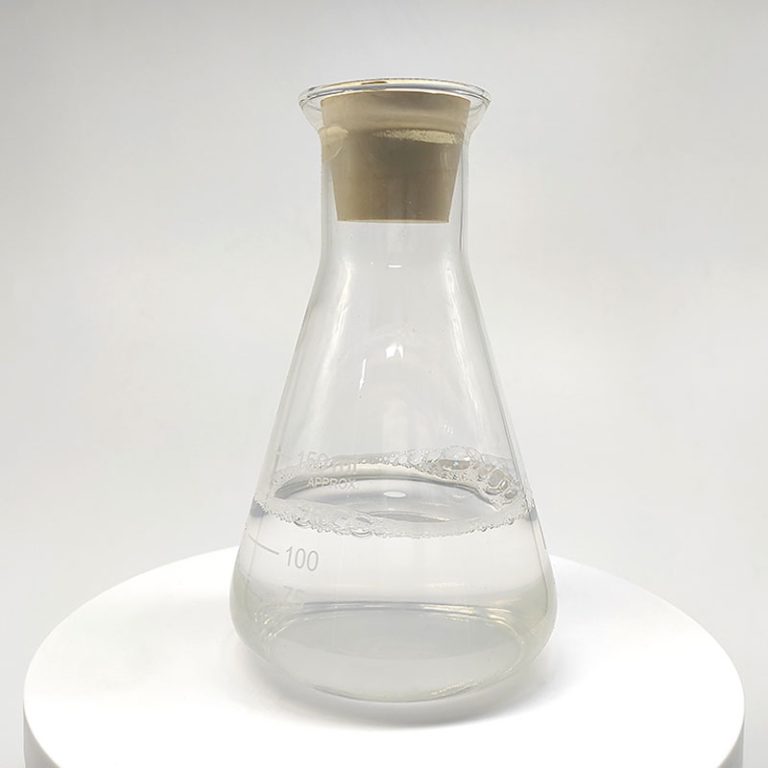
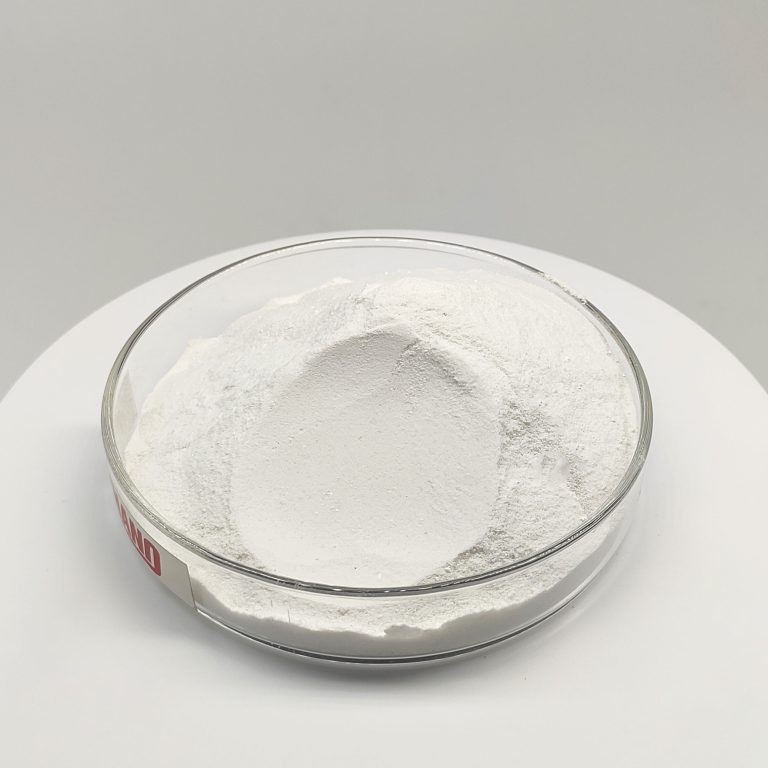
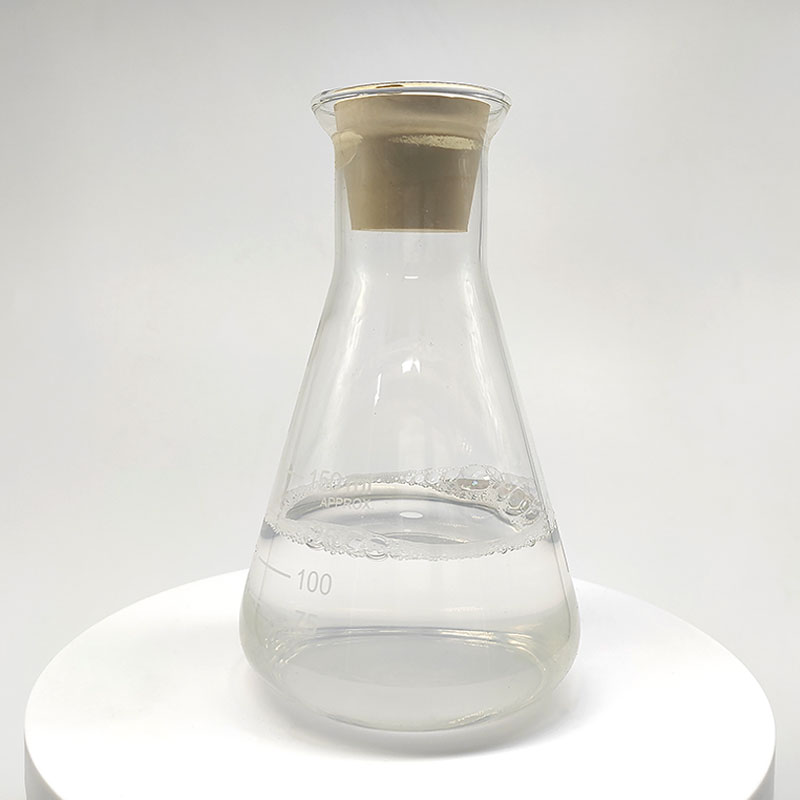
Hot ing Foaming Agent for Concrete,concrete Foaming Agent,protein Foaming Agent
PRODUCT PARAMETERS
Description
Overview of Hot ing Foaming Agent for Concrete,concrete Foaming Agent,protein Foaming Agent
Hot ing Foaming Agent for Concrete,concrete Foaming Agent,protein Foaming Agent is a surfactant that generates large quantities of uniform, stable foam through physical or chemical means. When this foam is thoroughly mixed with cement-based slurry (cement, fly ash, etc.) and cured naturally or with steam, it forms a novel lightweight material—foam concrete—internally filled with numerous closed air cells.
Features of Hot ing Foaming Agent for Concrete,concrete Foaming Agent,protein Foaming Agent
1. High Foam Multiplication Ratio: High foam multiplication ratio allows for dilution before use. One kilogram of concentrate generates a large volume of uniform foam, delivering significant cost savings.
2. Strong Foam Stability: Produces resilient, uniformly fine foam walls that resist collapse or breakage. Effectively withstands pressure from cement slurry, ensuring independent and sealed air cells within the finished product.
3. Uniform and Fine Pore Structure: The foam concrete exhibits an ideal internal structure of closed spherical micro-pores, guaranteeing superior physical properties.
4. Low Material Consumption: Achieves equivalent density and strength grades with lower dosage than standard market products, reducing costs.
5. Eco-friendly and safe: Neutral formulation, non-toxic, odorless, and non-corrosive, posing no harm to the environment or human health. Classified as a green building material.
6. Wide adaptability: Excellent compatibility with various cements (including ordinary Portland cement and aluminate cement) and admixtures. Rapid foaming action with extended foam stability.

Specifications of Hot ing Foaming Agent for Concrete,concrete Foaming Agent,protein Foaming Agent
Hot ing foaming agents create lightweight foam concrete. They work well with hot water or steam. This process makes very stable bubbles. The foam density typically ranges between 30 kg/m³ to 150 kg/m³. You control the final concrete density by adjusting how much agent you use. These agents offer good foam stability. This stability prevents the bubbles from collapsing too soon. That is vital for consistent concrete quality. You usually dilute the agent before mixing it. Common dilution ratios are between 1:30 and 1:60. The agent concentration affects the foam volume. Higher concentration generally means more foam. This agent type suits many construction needs. It is effective for insulation blocks and filling voids.
Concrete foaming agents come in different formulas. Synthetic types are very common. They are cost-effective and perform reliably. Protein-based agents are another major category. They often come from natural sources like plants or animals. Protein agents usually make very strong, long-lasting foam. This foam stability helps the concrete keep its shape while it sets. Synthetic agents might be cheaper but sometimes less stable. Both types need careful handling. Follow the manufacturer’s dilution instructions exactly. Getting the ratio wrong affects the foam quality badly. Good foaming agents produce bubbles of uniform size. Consistent bubble size means more uniform concrete.
Protein foaming agents use hydrolyzed proteins. These proteins act as the active ingredient. They form a strong film around air bubbles. This film gives the foam its structure and stability. Protein agents often achieve high expansion rates. This means they create a large volume of foam from a small amount of liquid. The resulting foam concrete is frequently very stable. It resists collapsing under pressure effectively. This stability is crucial for structural applications. Protein agents work across a range of water temperatures. Some perform best with warm water. They are generally biodegradable. This makes them an environmentally friendlier choice sometimes. Check the technical sheet for exact specifications like pH and shelf life.
Applications of Hot ing Foaming Agent for Concrete,concrete Foaming Agent,protein Foaming Agent
Concrete foaming agents make bubbles in concrete. These bubbles make the concrete lighter. So we get lightweight concrete. This lightweight concrete has many good uses.
Hot ing foaming agents work well with heat. They are often used in making lightweight concrete blocks. These blocks are good for building walls. They are light so they are easy to handle. Also, they help keep buildings warm or cool. That means they insulate well. Builders like this material. It saves energy in buildings.
General concrete foaming agents are very common. People use them for many jobs. One main use is making lightweight concrete blocks. These blocks are strong enough for building. Yet they are not too heavy. Another use is for filling spaces. Lightweight fill concrete made with these agents fills gaps easily. It does not add too much weight to structures. This is important for things like bridge approaches or road bases.
Protein foaming agents come from natural sources. They are stable and make strong bubbles. This stability is good for making strong, lightweight concrete. Builders use it for things like roof insulation. Lightweight concrete roofs made this way are effective. Also, protein agents can help make fire-resistant concrete. This adds safety to buildings.
Company Profile
We are the global leader in lightweight concrete and advanced engineered foam solutions. Known globally for its commitment to research, innovation, and applied expertise, we have been providing engineered foam solutions since the early 2012’s.
We can supply high-quality concrete admixture and foam concrete related products all over the world.
The company has a professional technical department and quality supervision department, a well-equipped laboratory, and equipped with advanced testing equipment and after-sales customer service center.
If you are interested, please feel free and contact us.
Payment
T/T, Western Union, Paypal, Credit Card etc.
Shipment
By air, by sea, by express, as customers request.
5 FAQs of Hot ing Foaming Agent for Concrete,concrete Foaming Agent,protein Foaming Agent
What is a concrete foaming agent? A concrete foaming agent is a chemical. It makes tiny air bubbles in concrete. People add it to the concrete mix. This makes the concrete lighter. It also makes it better at keeping heat in.
Why use a foaming agent? Builders use foaming agents to make lightweight concrete. Normal concrete is heavy. Foamed concrete is much lighter. This helps when weight matters. It also adds insulation. The air bubbles trap heat. This saves energy in buildings. Foamed concrete is also easier to pour sometimes.
How does a foaming agent work? You mix the foaming agent with water first. This makes a foam liquid. Then you add this foam to the concrete mix. The agent makes lots of small, strong bubbles. These bubbles stay in the concrete when it hardens. The bubbles create air pockets. This lowers the concrete’s weight.
What are the main types? There are two big groups: synthetic and protein-based. Synthetic agents are man-made chemicals. Protein-based agents come from natural proteins. Hot Ing foaming agents are special synthetic types. They work well at higher temperatures. Protein foaming agents are natural. They are often chosen for being eco-friendly.
What should I consider when choosing? Think about your project needs. What strength does the concrete need? How much weight can it be? Check the type of foaming agent. Hot Ing agents are good for hot places or hot processes. Protein agents are good for green building. Look at the cost. See how easy it is to use.