Concrete-mesa | Concrete Admixtures, Tools, and Production Machines

Concrete Planter Mold for Making Concrete Flower Pot With Concrete Planter Silicon Mold
PRODUCT PARAMETERS
Description
Overview of Concrete Planter Mold for Making Concrete Flower Pot With Concrete Planter Silicon Mold
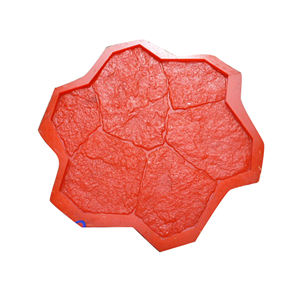
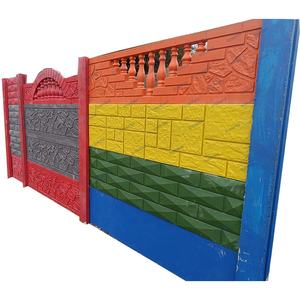
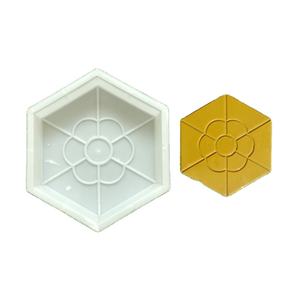
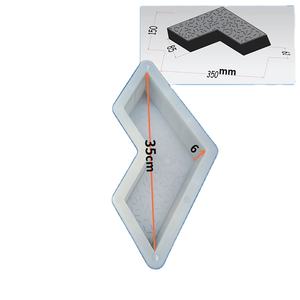
Concrete Planter Mold for Making Concrete Flower Pot With Concrete Planter Silicon Mold is essential for shaping concrete into specific forms during construction and manufacturing processes. These molds come in various designs, materials, and sizes to cater to different applications such as decorative elements, structural components, or custom creations. They are commonly used in the production of concrete blocks, paving stones, wall panels, and architectural elements. Available in steel, plastic, silicone, and rubber materials, concrete molds are designed for easy release, providing clean edges and uniform shapes. They are widely used in both large-scale industrial projects and smaller, custom concrete works, offering efficiency, precision, and versatility. By ensuring accurate shapes and smooth finishes, concrete molds help improve production consistency and reduce labor time, making them a valuable tool in construction and manufacturing.
Characteristics of Concrete Planter Mold for Making Concrete Flower Pot With Concrete Planter Silicon Mold
High Precision: Concrete molds are crafted with precision to create uniform, accurate shapes, ensuring consistent dimensions and quality in every piece of concrete. This is essential for both structural integrity and aesthetic appeal.
Versatile Designs: Available in various shapes and sizes, concrete molds cater to a wide range of applications, from simple concrete blocks to intricate decorative pieces. Custom molds can also be designed to meet specific project requirements.
Durable Materials: Concrete molds are typically made from robust materials such as steel, plastic, rubber, or silicone, offering strength and durability to withstand the pressure of concrete pouring and curing, ensuring long-term performance.
Easy Release and Cleanliness: Most concrete molds are designed with a non-stick surface or coating, allowing for easy release of the molded concrete without damage. This results in smoother, cleaner finishes and reduces cleanup time.
Reusable: Concrete molds are designed for repeated use, which makes them highly cost-effective for large-scale production runs or ongoing projects. They provide excellent value by reducing the need for new molds with each batch.
Customization Options: Custom concrete molds can be designed to create specific shapes, patterns, or sizes tailored to unique project needs. This flexibility allows for creative and highly specialized concrete products.
Efficient Production: By providing quick and easy molding, concrete molds significantly reduce labor time, increasing production efficiency and allowing for faster project completion.
Consistent Quality: Using molds ensures uniformity in concrete components, reducing variations in shape and size that can occur with manual methods. This leads to more reliable and consistent results.
Cost-Effective: Concrete molds reduce the amount of labor required for shaping and finishing concrete, cutting down on time and labor costs. They also reduce material waste, as they create precise forms and minimize errors during production.
Weather and Chemical Resistance: Depending on the material used, some concrete molds are resistant to harsh weather conditions and chemical exposure, making them suitable for both indoor and outdoor applications, including landscaping, pavements, and structural elements.
Ease of Use: Concrete molds are designed to be user-friendly, allowing for easy setup, pouring, and demolding. This reduces the complexity of the concrete molding process and ensures a smooth workflow for operators.
Enhanced Aesthetic Appeal: When used for decorative purposes, concrete molds help achieve intricate patterns, textures, and shapes, enhancing the visual appeal of architectural elements, garden features, and paving designs.

Specification of Concrete Planter Mold for Making Concrete Flower Pot With Concrete Planter Silicon Mold
This mold helps you make concrete planters. It is made from strong silicone. This silicone is food grade. It is safe and durable. The mold is flexible. You can bend it easily. This makes removing your planter simple. The silicone surface is smooth. Concrete does not stick to it. Your planter comes out clean. You avoid messy edges. The mold has nice details. Your planter gets a good texture. It looks professionally made. You get various mold shapes. Choose round pots, square pots, or rectangle pots. Some molds look modern. Others have a classic style. Find one you like. Different sizes are available. Make small pots for herbs. Make big pots for larger plants. Fill your mold with concrete mix. Tap it gently. This removes air bubbles. Let the concrete harden. It usually takes a day. Then peel away the silicone mold. Your concrete planter is ready. It is that straightforward. You can paint the planter. You can leave it natural gray. Personalize your garden or home. Create unique plant pots yourself. Save money buying expensive ones. Enjoy the DIY project.
Applications of Concrete Planter Mold for Making Concrete Flower Pot With Concrete Planter Silicon Mold
Concrete planter molds make creating your own flower pots simple. These flexible silicone molds come in many shapes and sizes. You choose the design you like. Common options include classic pots, modern geometric shapes, and decorative patterns. The silicone material is key. It bends easily, letting you remove the hardened concrete without breaking your creation. Using the mold is straightforward. First, prepare your concrete mix. Follow the instructions on the bag. You might add color at this stage if you want. Pour the mix into the mold. Tap the sides gently to remove air bubbles. This step helps prevent weak spots. Let the concrete set inside the mold. The curing time depends on the mix and weather. Patience is important. Rushing can cause cracks. Once cured, carefully peel the mold away. Your new concrete pot is ready. You might need to sand rough edges slightly. Sealing the pot is a good idea. Sealant protects the concrete from water damage and staining. It also enhances the color. Making pots yourself saves money compared to buying finished ones. It allows for complete customization. Pick your exact shape, texture, and color. These pots are very durable. Concrete withstands sun, rain, and frost well. They add a nice, heavy weight to patios and gardens. The finished pots have a unique, rustic charm. Concrete planter molds are perfect for DIY enthusiasts. Garden centers and craft stores often sell them. Small businesses find them useful for producing handmade items to sell. They are also great for restoring old, broken pots. You can make a matching replacement.
Company Profile
We are the global leader in lightweight concrete and advanced engineered foam solutions. Known globally for its commitment to research, innovation, and applied expertise, we have been providing engineered foam solutions since the early 2012’s.
We can supply high-quality concrete admixture and foam concrete related products all over the world.
The company has a professional technical department and quality supervision department, a well-equipped laboratory, and equipped with advanced testing equipment and after-sales customer service center.
If you are interested, please feel free and contact us.
Payment
T/T, Western Union, Paypal, Credit Card etc.
Shipment
By air, by sea, by express, as customers request.
5 FAQs of Concrete Planter Mold for Making Concrete Flower Pot With Concrete Planter Silicon Mold
People ask about our concrete planter molds. Here are answers to common questions.
How long will the mold last? Silicone molds are strong. They resist concrete’s harshness well. You can pour concrete into them many times. Proper care makes them last longer. Avoid sharp tools inside the mold.
How do I use the mold? It’s straightforward. Clean the mold first. Mix your concrete with water. Pour the mix into the mold. Tap the sides gently. This removes air bubbles. Let the concrete set completely. Then remove the new planter.
How long until I remove the planter? Concrete needs time to harden. Usually, wait 24 to 48 hours. Check if the concrete feels solid. It should hold its shape. Removing it too early risks breakage. Patience gives the best results.
Will the concrete stick to the mold? Concrete shouldn’t stick to silicone. Use a mold release agent anyway. Spray a light coat inside before pouring. This makes removal much easier. It keeps your mold cleaner too.
Can I make different designs? Yes. Our molds come in various shapes. Choose round pots, square pots, or other styles. Each mold creates a unique look. Experiment with different concrete colors. You can add texture to the surface.