Concrete4U | Concrete Admixtures, Tools, and Production Machines

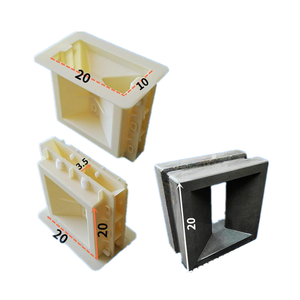
Cost-effective Vacuum Formed Plastic Working Mold Formwork Panel For Concrete 3D Building Tile Template With Texture And Pattern
PRODUCT PARAMETERS
Description
Overview of Cost-effective Vacuum Formed Plastic Working Mold Formwork Panel For Concrete 3D Building Tile Template With Texture And Pattern
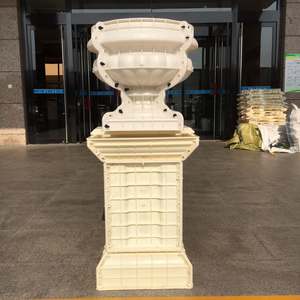
Cost-effective Vacuum Formed Plastic Working Mold Formwork Panel For Concrete 3D Building Tile Template With Texture And Pattern is essential for shaping concrete into specific forms during construction and manufacturing processes. These molds come in various designs, materials, and sizes to cater to different applications such as decorative elements, structural components, or custom creations. They are commonly used in the production of concrete blocks, paving stones, wall panels, and architectural elements. Available in steel, plastic, silicone, and rubber materials, concrete molds are designed for easy release, providing clean edges and uniform shapes. They are widely used in both large-scale industrial projects and smaller, custom concrete works, offering efficiency, precision, and versatility. By ensuring accurate shapes and smooth finishes, concrete molds help improve production consistency and reduce labor time, making them a valuable tool in construction and manufacturing.
Characteristics of Cost-effective Vacuum Formed Plastic Working Mold Formwork Panel For Concrete 3D Building Tile Template With Texture And Pattern
High Precision: Concrete molds are crafted with precision to create uniform, accurate shapes, ensuring consistent dimensions and quality in every piece of concrete. This is essential for both structural integrity and aesthetic appeal.
Versatile Designs: Available in various shapes and sizes, concrete molds cater to a wide range of applications, from simple concrete blocks to intricate decorative pieces. Custom molds can also be designed to meet specific project requirements.
Durable Materials: Concrete molds are typically made from robust materials such as steel, plastic, rubber, or silicone, offering strength and durability to withstand the pressure of concrete pouring and curing, ensuring long-term performance.
Easy Release and Cleanliness: Most concrete molds are designed with a non-stick surface or coating, allowing for easy release of the molded concrete without damage. This results in smoother, cleaner finishes and reduces cleanup time.
Reusable: Concrete molds are designed for repeated use, which makes them highly cost-effective for large-scale production runs or ongoing projects. They provide excellent value by reducing the need for new molds with each batch.
Customization Options: Custom concrete molds can be designed to create specific shapes, patterns, or sizes tailored to unique project needs. This flexibility allows for creative and highly specialized concrete products.
Efficient Production: By providing quick and easy molding, concrete molds significantly reduce labor time, increasing production efficiency and allowing for faster project completion.
Consistent Quality: Using molds ensures uniformity in concrete components, reducing variations in shape and size that can occur with manual methods. This leads to more reliable and consistent results.
Cost-Effective: Concrete molds reduce the amount of labor required for shaping and finishing concrete, cutting down on time and labor costs. They also reduce material waste, as they create precise forms and minimize errors during production.
Weather and Chemical Resistance: Depending on the material used, some concrete molds are resistant to harsh weather conditions and chemical exposure, making them suitable for both indoor and outdoor applications, including landscaping, pavements, and structural elements.
Ease of Use: Concrete molds are designed to be user-friendly, allowing for easy setup, pouring, and demolding. This reduces the complexity of the concrete molding process and ensures a smooth workflow for operators.
Enhanced Aesthetic Appeal: When used for decorative purposes, concrete molds help achieve intricate patterns, textures, and shapes, enhancing the visual appeal of architectural elements, garden features, and paving designs.

Specification of Cost-effective Vacuum Formed Plastic Working Mold Formwork Panel For Concrete 3D Building Tile Template With Texture And Pattern
Here’s the item web content about the vacuum developed plastic mold and mildew formwork panels:
This is an affordable plastic working mold and mildew formwork panel for making concrete 3D structure floor tiles. It makes use of vacuum cleaner creating modern technology. The mold is made from solid, durable abdominal muscle plastic sheets. This plastic mold and mildew is much cheaper than metal molds. It provides big financial savings on product prices. You get the very same top notch outcomes for much less cash.
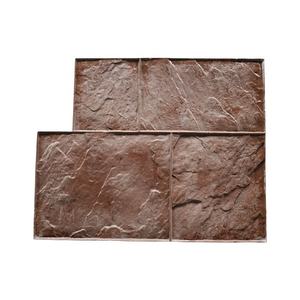
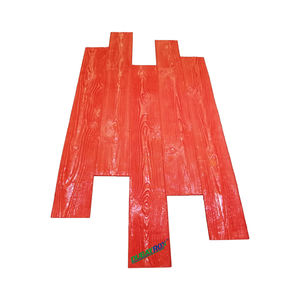
The mold and mildew surface has actually detailed structures and patterns. These transfer straight onto the damp concrete. Your completed floor tiles come out with realistic, constant layouts. Assume wood grain, stone effects, or custom-made geometric shapes. The pattern is built right into the mold and mildew surface. You don’t need extra actions to add texture later.
These plastic formwork panels are light-weight. Employees can lift and place them easily on duty site. Handling is easy. The abdominal muscle plastic is tough. It withstands the stress of damp concrete without breaking. The mold holds its shape well over numerous uses. You can reuse it sometimes. This makes it really cost-effective for manufacturing runs.
The mold and mildew releases easily from the healed concrete. You obtain smooth tile surface areas whenever. Marginal cleaning is required between puts. Production speed rises. Much less time is squandered on demolding or cleansing. Setup fasts. The panels fit together securely. You achieve regular floor tile measurements set after batch.
These molds are excellent for developing ornamental wall surface floor tiles, facade components, and building features. They are ideal for specialists and precast concrete makers. You obtain professional outcomes without the high cost of conventional steel tooling. The vacuum creating process allows for complicated styles. Custom patterns are feasible.
Applications of Cost-effective Vacuum Formed Plastic Working Mold Formwork Panel For Concrete 3D Building Tile Template With Texture And Pattern
Vacuum developed plastic mold and mildews provide an affordable solution for creating textured concrete ceramic tiles. These molds change pricey traditional choices. They are made from durable plastic sheets heated and formed over a master pattern. This process records great details perfectly. You get accurate appearance and pattern replication each time you cast concrete.
Manufacturing prices go down substantially with these plastic mold and mildews. They are much cheaper than steel or stiff plastic choices. Arrangement fasts and basic. You don’t require specific equipment or lengthy lead times. This conserves money and speeds up project begins. Little workshops and big factories both benefit.
The molds are surprisingly solid and last a long period of time. They endure duplicated concrete pours without shedding meaning. Consistent results are assured batch after set. This dependability is critical for expert ceramic tile manufacturing. Maintaining quality is very easy.
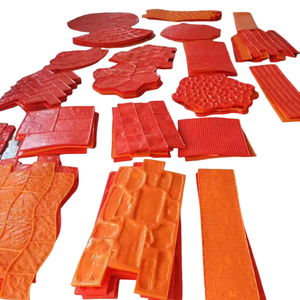
Style adaptability is a major benefit. You can develop practically any pattern or appearance. Assume brick, rock, timber grain, or customized creative designs. The vacuum cleaner developing process handles complicated shapes well. Engineers and designers have a lot more innovative freedom. Special building frontages and decorative components come to be feasible.
These mold and mildews work perfectly for 3D structure floor tiles. They form the intricate surfaces required for contemporary architectural cladding. Interior decoration attributes like accent walls utilize them as well. Landscape designers make patterned pavers and stepping stones. The applications are very large.
Managing the molds is straightforward. They are lightweight compared to steel kinds. Workers can move and position them easily. This lowers labor pressure and speeds up the casting cycle. Clean-up in between usages is straightforward. Minimal downtime keeps production moving. Efficiency improves throughout the board.
Company Profile
We are the global leader in lightweight concrete and advanced engineered foam solutions. Known globally for its commitment to research, innovation, and applied expertise, we have been providing engineered foam solutions since the early 2012’s.
We can supply high-quality concrete admixture and foam concrete related products all over the world.
The company has a professional technical department and quality supervision department, a well-equipped laboratory, and equipped with advanced testing equipment and after-sales customer service center.
If you are interested, please feel free and contact us.
Payment
T/T, Western Union, Paypal, Credit Card etc.
Shipment
By air, by sea, by express, as customers request.
5 FAQs of Cost-effective Vacuum Formed Plastic Working Mold Formwork Panel For Concrete 3D Building Tile Template With Texture And Pattern
What are these plastic molds for?
These molds shape concrete into decorative tiles. They create textured surfaces like stone or wood. You use them for walls, floors, or other building features. They give a high-end look without the high cost. Making consistent tiles is easier.
Why choose plastic over metal molds?
Plastic molds cost much less. Metal molds are expensive to make. Plastic molds are lighter and easier to handle. Setting up production is faster and cheaper. You save money without losing quality in the final tile.
How long do these plastic molds last?
These molds last through many concrete pours. They are made tough with vacuum forming. Proper care extends their life. Avoid sharp impacts. Clean them after each use. Expect hundreds of uses from one mold.
Will the texture look real on the concrete?
Yes. The vacuum forming captures fine details perfectly. Patterns like brick or natural stone come out sharp. The texture transfers clearly to the concrete surface. The result looks authentic and professional.
How do I use and care for these molds?
Apply a release agent before pouring concrete. This prevents sticking. Fill the mold with your concrete mix. Let it set properly. Remove the tile gently. Clean the mold with water and a soft brush after use. Store molds flat away from heat and sun.