Concrete-mesa | Concrete Admixtures, Tools, and Production Machines

Reinforced Concrete Culvert Pipe Molding Machine Precast Cement Pipe Mould Molds for Manufacturing Plant Use
PRODUCT PARAMETERS
Description
Overview of Reinforced Concrete Culvert Pipe Molding Machine Precast Cement Pipe Mould Molds for Manufacturing Plant Use
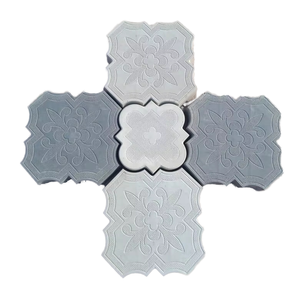
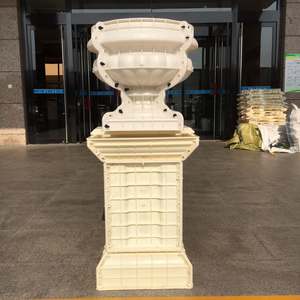
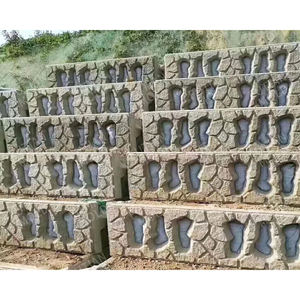
Reinforced Concrete Culvert Pipe Molding Machine Precast Cement Pipe Mould Molds for Manufacturing Plant Use is essential for shaping concrete into specific forms during construction and manufacturing processes. These molds come in various designs, materials, and sizes to cater to different applications such as decorative elements, structural components, or custom creations. They are commonly used in the production of concrete blocks, paving stones, wall panels, and architectural elements. Available in steel, plastic, silicone, and rubber materials, concrete molds are designed for easy release, providing clean edges and uniform shapes. They are widely used in both large-scale industrial projects and smaller, custom concrete works, offering efficiency, precision, and versatility. By ensuring accurate shapes and smooth finishes, concrete molds help improve production consistency and reduce labor time, making them a valuable tool in construction and manufacturing.
Characteristics of Reinforced Concrete Culvert Pipe Molding Machine Precast Cement Pipe Mould Molds for Manufacturing Plant Use
High Precision: Concrete molds are crafted with precision to create uniform, accurate shapes, ensuring consistent dimensions and quality in every piece of concrete. This is essential for both structural integrity and aesthetic appeal.
Versatile Designs: Available in various shapes and sizes, concrete molds cater to a wide range of applications, from simple concrete blocks to intricate decorative pieces. Custom molds can also be designed to meet specific project requirements.
Durable Materials: Concrete molds are typically made from robust materials such as steel, plastic, rubber, or silicone, offering strength and durability to withstand the pressure of concrete pouring and curing, ensuring long-term performance.
Easy Release and Cleanliness: Most concrete molds are designed with a non-stick surface or coating, allowing for easy release of the molded concrete without damage. This results in smoother, cleaner finishes and reduces cleanup time.
Reusable: Concrete molds are designed for repeated use, which makes them highly cost-effective for large-scale production runs or ongoing projects. They provide excellent value by reducing the need for new molds with each batch.
Customization Options: Custom concrete molds can be designed to create specific shapes, patterns, or sizes tailored to unique project needs. This flexibility allows for creative and highly specialized concrete products.
Efficient Production: By providing quick and easy molding, concrete molds significantly reduce labor time, increasing production efficiency and allowing for faster project completion.
Consistent Quality: Using molds ensures uniformity in concrete components, reducing variations in shape and size that can occur with manual methods. This leads to more reliable and consistent results.
Cost-Effective: Concrete molds reduce the amount of labor required for shaping and finishing concrete, cutting down on time and labor costs. They also reduce material waste, as they create precise forms and minimize errors during production.
Weather and Chemical Resistance: Depending on the material used, some concrete molds are resistant to harsh weather conditions and chemical exposure, making them suitable for both indoor and outdoor applications, including landscaping, pavements, and structural elements.
Ease of Use: Concrete molds are designed to be user-friendly, allowing for easy setup, pouring, and demolding. This reduces the complexity of the concrete molding process and ensures a smooth workflow for operators.
Enhanced Aesthetic Appeal: When used for decorative purposes, concrete molds help achieve intricate patterns, textures, and shapes, enhancing the visual appeal of architectural elements, garden features, and paving designs.

Specification of Reinforced Concrete Culvert Pipe Molding Machine Precast Cement Pipe Mould Molds for Manufacturing Plant Use
This device makes solid concrete pipelines for culverts and drain. Manufacturing facilities use it to generate precast cement pipes fast. The devices can be found in two major kinds. Spinning equipments revolve molds at broadband. This compacts the damp concrete mix firmly against the mold walls. Vibrating machines use powerful shakers instead. These shake the mold and mildew strongly to resolve the concrete mix solidly. Both approaches make dense, long lasting pipes.
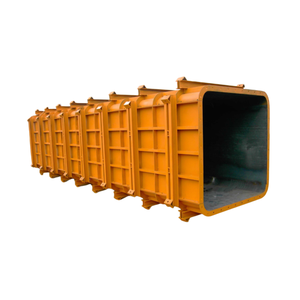
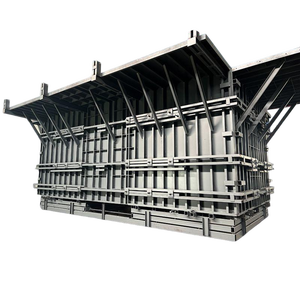
The molds are essential components. They create the pipe shape. Durable steel plates develop these molds. Precision welding ensures excellent roundness. Thick walls stand up to hefty concrete stress. Enhancing ribs include extra stiffness. This quits the mold and mildew bending during intense spinning or shaking. End rings affix safely to each mold and mildew section. These rings develop the pipeline ends accurately. The mold and mildew surface areas are smooth. This provides the completed pipeline a clean finish. Launch representatives help separate the solidified pipe easily.
Makers take care of different pipe sizes. Common sizes range from 300mm up to 2000mm. Sizes usually match common demands. The maker structure holds the mold assembly strong. Effective motors drive the spinning action. Tough vibration systems generate the shaking force. Hydraulic systems commonly open and close the mold and mildews. This conserves employee initiative. Security guards secure drivers from relocating components. Control board are straightforward to make use of. Workers established the spinning time or resonance period. They adjust the rate or intensity quickly.
Utilizing this device boosts pipeline top quality. The process ensures constant wall thickness. It achieves high concrete thickness. This makes pipelines really solid. They take care of hefty lots underground. The pipelines withstand cracking well. Manufacturing is effective. Manufacturing facilities make lots of pipes daily. The molds last several years. They endure constant usage. Marginal maintenance maintains them functioning. Steel mold and mildews approve various concrete mixes. Some use typical steel support. Others make use of pre-tensioned computer wire for additional toughness. Heavy steam curing chambers commonly deal with the equipments. This quicken the pipe solidifying procedure. Ready pipes go right to construction websites.
Applications of Reinforced Concrete Culvert Pipe Molding Machine Precast Cement Pipe Mould Molds for Manufacturing Plant Use
This machine makes big concrete pipes for water systems and roadways. Manufacturing facilities utilize it to develop strong culvert pipes quick. The molds are tough steel frames holding damp concrete mix. Employees pour the mix right into the mold and mildew. The equipment after that trembles the mold and mildew hard. This drinking loads the concrete limited. It presses out air bubbles. Air bubbles deteriorate the concrete. Packing it limited makes the pipe extremely strong.
The equipment utilizes solid vibration to do this. It condenses the wet concrete mix equally. This step is important. Good compaction indicates a thick, durable pipe. The pipeline will not fracture quickly. It lasts longer underground. The mold and mildew shapes the pipe perfectly round. It offers a smooth surface inside and outside. This is important for water circulation. It also makes setup less complicated.
Factories require these devices for consistent manufacturing. They make several pipelines the very same shapes and size. Consistency issues for building tasks. You obtain pipelines that fit together right. The equipment speeds points up. Making pipes by hand is slow and less exact. This equipment automates the hard components. It conserves labor expenses over time.
The mold and mildews are built to last. They handle hefty use in a hectic plant. They hold up against the pressure of resonance and wet concrete. Steel mold and mildews withstand wear and tear. You can recycle them thousands of times. This lowers the price per pipeline made. Usual dimensions are 12 inches, 24 inches, 36 inches, and larger. The device handles various diameters. It readjusts for various job demands.
Utilizing this maker enhances pipeline quality. It makes sure every pipe fulfills toughness standards. Strong pipes imply safer culverts and drains. They hold up under roadways and in tough ground. Factories count on this devices for dependable output. It turns raw concrete, sand, and rock right into necessary framework parts. The process is reliable. It turns products into finished pipes all set for site shipment.
Company Profile
We are the global leader in lightweight concrete and advanced engineered foam solutions. Known globally for its commitment to research, innovation, and applied expertise, we have been providing engineered foam solutions since the early 2012’s.
We can supply high-quality concrete admixture and foam concrete related products all over the world.
The company has a professional technical department and quality supervision department, a well-equipped laboratory, and equipped with advanced testing equipment and after-sales customer service center.
If you are interested, please feel free and contact us.
Payment
T/T, Western Union, Paypal, Credit Card etc.
Shipment
By air, by sea, by express, as customers request.
5 FAQs of Reinforced Concrete Culvert Pipe Molding Machine Precast Cement Pipe Mould Molds for Manufacturing Plant Use
What makes your concrete pipe molds so tough?
These molds last years. They use thick steel plates. Heavy welding joins them. This design handles rough daily use. The steel resists bending under pressure. It keeps pipe shapes perfect every pour.
Can I make different pipe sizes with one machine?
Different sizes exist. You need a specific mold for each diameter. Common sizes cover 12 inches to 60 inches. We offer molds for the sizes you need. Each mold fits standard molding machines. Changing molds takes time but works.
How fast can I produce pipes with this machine?
Production speed depends. Pipe size matters. Concrete curing time matters most. A typical cycle takes 10-15 minutes per pipe for smaller sizes. Bigger pipes need longer. Good planning lets you make many pipes daily. The machine itself works fast.
Is the mold hard to keep clean?
Keeping molds clean is simple. You must clean them after every use. Use water and a brush. Remove wet concrete bits. Check seals and bolts often. Tighten anything loose. A quick oil spray prevents rust. This basic care prevents sticking and damage.
Can I get a custom pipe shape?
Standard molds make round pipes. Non-round shapes are possible. We can build custom molds. Tell us your exact shape needs. We design it strong. We build it precisely. Custom molds cost more and take longer to make. They work well for special projects. You get the smooth finish you need.