Concrete4U | Concrete Admixtures, Tools, and Production Machines

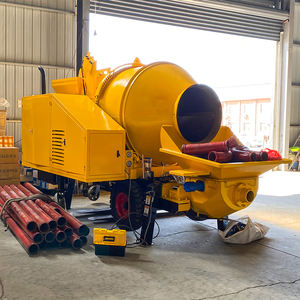
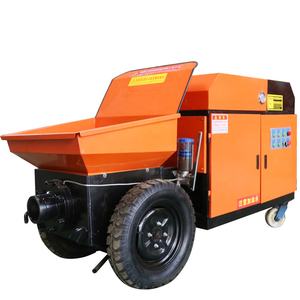
Concrete Pump Diesel Engines Concrete PumpConcrete Delivery Concrete Pump Mini for
PRODUCT PARAMETERS
Description
Overview of Concrete Pump Diesel Engines Concrete PumpConcrete Delivery Concrete Pump Mini for
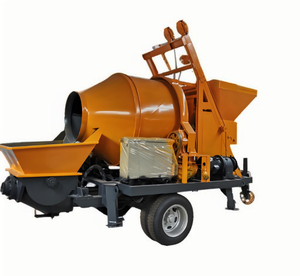
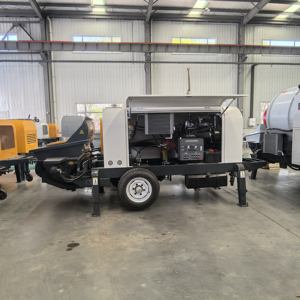
Concrete Pump Diesel Engines Concrete PumpConcrete Delivery Concrete Pump Mini for offers excellent mobility and reach for mid-size projects and residential construction. For large-scale commercial and infrastructure work, we provide robust Boom Pumps with multi-section articulating arms that place concrete precisely at high volumes over significant horizontal and vertical distances. We also offer compact and agile Line Pumps for smaller jobs, renovations, and sites with limited access. Each pump in our lineup is built with powerful hydraulic systems and engineered to handle a wide range of mix designs reliably. This portfolio provides contractors with the precise tools to place concrete faster, farther, and more efficiently than traditional methods, ensuring optimal placement and superior finished quality.
Features of Concrete Pump Diesel Engines Concrete PumpConcrete Delivery Concrete Pump Mini for
1. High-Efficiency Placement and Unmatched Reach:
The core feature of our concrete pumps is their ability to transport concrete rapidly over long distances and heights. This is achieved through high-output hydraulic systems and robust placing booms or pipeline systems. The direct benefit is unparalleled job site efficiency; concrete can be placed precisely where it is needed, directly from the truck, eliminating the need for costly and time-consuming secondary handling with cranes and buggies. This allows for faster cycle times, continuous pours for superior structural integrity, and access to challenging locations like deep foundations or high-rise structures, dramatically accelerating project timelines.
2. Robust Reliability and Reduced Labor Intensity:
Our pumps are built with durable components and simple, serviceable designs to withstand the harsh environment of a construction site. This engineering focus on reliability translates into the benefit of minimized downtime and consistent performance pour after pour. Furthermore, by mechanizing the concrete placement process, a single pump operation significantly reduces the manual labor required. This leads to substantial savings on labor costs, mitigates the physical strain on workers, and enhances overall site safety by reducing crew exposure to heavy lifting and repetitive tasks.
3. Versatility and Enhanced Concrete Quality:
The versatility of our product line, from massive boom pumps to nimble line pumps, ensures there is an optimal solution for any project scale and site constraint. This feature provides the benefit of maximum job site adaptability. Additionally, the controlled, continuous placement achieved by pumping minimizes the risk of concrete segregation and cold joints. This results in a more uniform, denser, and higher-quality finished concrete structure with improved durability and surface finish, reducing the potential for future defects.

Specifications of Concrete Pump Diesel Engines Concrete PumpConcrete Delivery Concrete Pump Mini for
Concrete pumps require solid engines to do their work well. Diesel motor are the leading choice for this work. They are difficult and reputable. These engines give the power needed to pump concrete over fars away. They also push concrete up to high places on large construction websites. The engine makes the pump work efficiently.
Diesel engines for concrete pumps are constructed to last. They deal with the tough problems on work sites. Dirt and resonance don’t stop them. These engines run well for a long time. This suggests less downtime for fixings. You get more job done.
The power of these diesel motor is very important. Higher horsepower lets the pump action concrete much faster. It additionally assists the pump reach farther. Engine torque matters as well. Excellent torque maintains the pump functioning continuously. It manages thick concrete mixes without delaying. Engine speed regulates the pumping price. Operators can readjust it easily.
Fuel performance is one more bottom line. Modern diesel engines utilize fuel smartly. This saves money on big jobs. The engines meet present exhausts regulations. They are cleaner however still powerful.
Mini concrete pumps also use diesel motors. These engines are smaller. Yet they are still solid. Mini pumps are good for difficult situations. They function well on smaller sized work. The engines are dependable. They start easily every day. The engines are made to be portable. They fit well on the smaller pump units. Diesel power provides mini pumps the muscle they need. They pump concrete just fine.
Diesel motor are the trusted heart of concrete pumps. They finish the job day after day.
Applications of Concrete Pump Diesel Engines Concrete PumpConcrete Delivery Concrete Pump Mini for
Concrete pump diesel engines power important devices on construction websites. These engines drive the pump itself. The pump relocates damp concrete via pipes. This provides concrete to precisely where building contractors require it. Diesel motor work well for this work. They offer steady power. Concrete pumping needs constant pressure. Diesel motor manage this need. They maintain pumping without quiting. This conserves time and labor. Employees do not need to relocate concrete by hand. The pump positions concrete rapidly and precisely. This helps build structures, walls, and floors efficiently.
Concrete shipment relies on these pumps. Concrete vehicles bring the wet mix to the site. The pump links to the truck. The diesel engine begins functioning. It pumps the concrete through long tubes. The hoses reach high floors or deep excavations. This is important for huge structures. Home builders can’t always make use of cranes or containers. Pumps supply concrete directly to the workspace. This speeds up the entire building process. It also improves safety. Employees stay clear of hefty lifting.
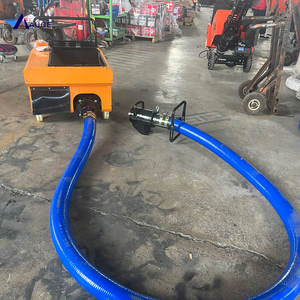
Mini concrete pumps are smaller versions. They additionally make use of diesel engines. These compact pumps are very mobile. They suit limited areas. Small sites profit substantially. Think about backyard jobs or slim streets. A big pump may not fit or be too effective. Mini pumps supply the appropriate remedy. Their diesel engines are strong but reduced. They pump concrete effectively for outdoor patios, courses, or repair work. They are simple to transport as well. Home builders can relocate them quickly in between different work. This flexibility is important.
Company Profile
We are the global leader in lightweight concrete and advanced engineered foam solutions. Known globally for its commitment to research, innovation, and applied expertise, we have been providing engineered foam solutions since the early 2012’s.
We can supply high-quality concrete admixture and foam concrete related products all over the world.
The company has a professional technical department and quality supervision department, a well-equipped laboratory, and equipped with advanced testing equipment and after-sales customer service center.
If you are interested, please feel free and contact us.
Payment
T/T, Western Union, Paypal, Credit Card etc.
Shipment
By air, by sea, by express, as customers request.
5 FAQs of Concrete Pump Diesel Engines Concrete PumpConcrete Delivery Concrete Pump Mini for
Why do concrete pumps use diesel engines?
Diesel engines are strong. They give the power needed to push thick concrete through long pipes. Concrete is heavy. Moving it takes serious muscle. Diesel engines deliver that muscle reliably. Gas engines often aren’t strong enough for this tough job. They might struggle or break down.
What kind of diesel engine is best?
Look for engines known for being tough. Brands like Cummins or Deutz are good. These engines are built to handle heavy work. They run well under constant pressure. They also handle dust and dirt common on construction sites. A strong engine means fewer problems pumping concrete.
How often do these engines need maintenance?
Check them regularly. Follow the service schedule in the manual closely. Change the oil and filters on time. This keeps the engine running smoothly. Look for leaks or strange noises daily. Fix small issues fast before they become big, expensive problems. Good maintenance prevents breakdowns on the job.
Are diesel pumps good on fuel?
Yes, usually. Diesel engines are efficient. They use less fuel than gas engines for the same power. This saves money over time. Newer diesel engines are even better on fuel. They meet stricter rules. They burn cleaner while still using less diesel. This means lower fuel costs and less downtime for refueling.
What about noise and smoke?
Older diesel pumps could be noisy and smoky. New ones are much better. Manufacturers improved them a lot. Modern engines run quieter. They also produce less black smoke. They meet tough emission standards. This makes them better for workers and neighbors near the construction site.