Concrete4U | Concrete Admixtures, Tools, and Production Machines

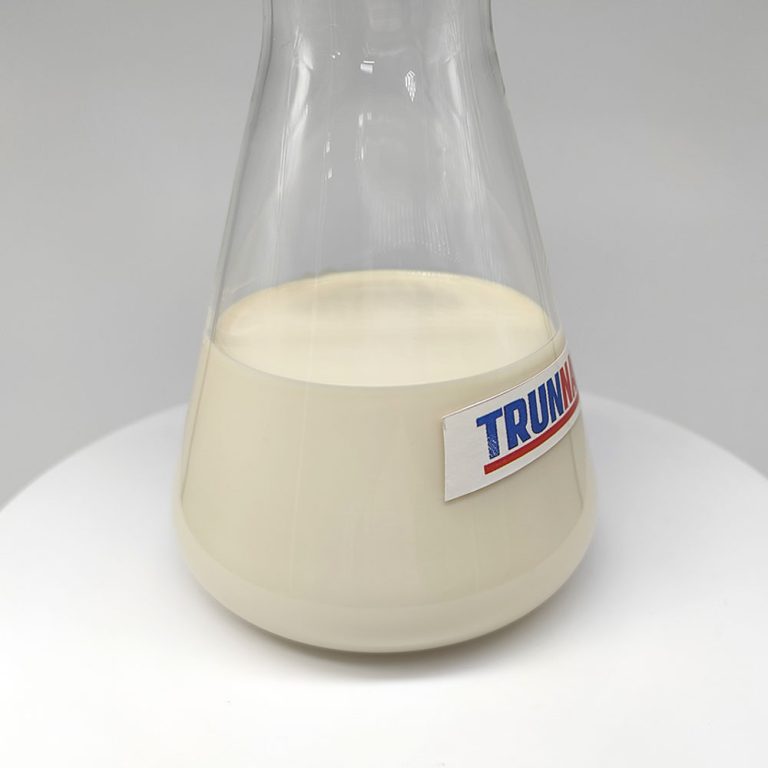
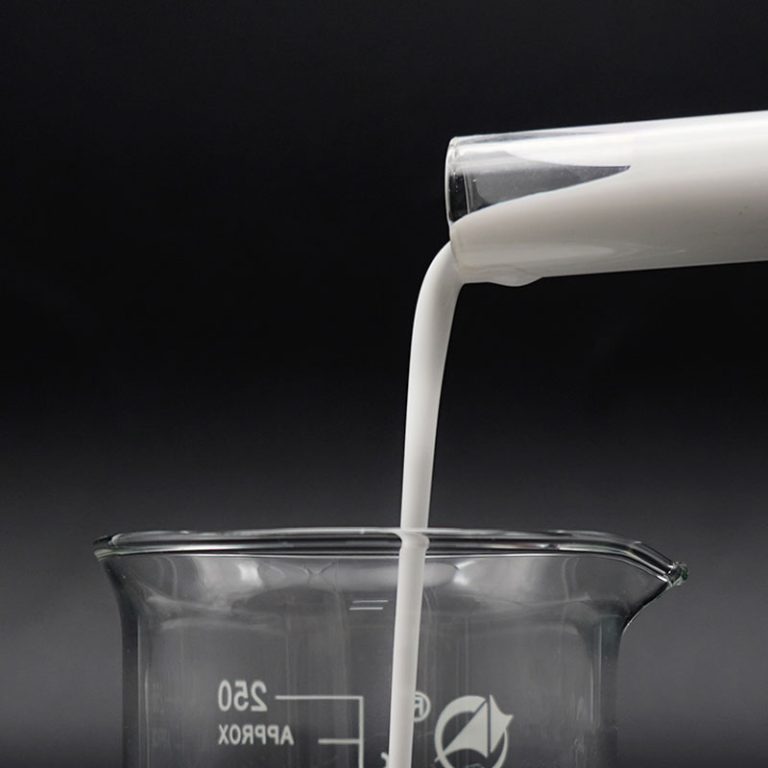
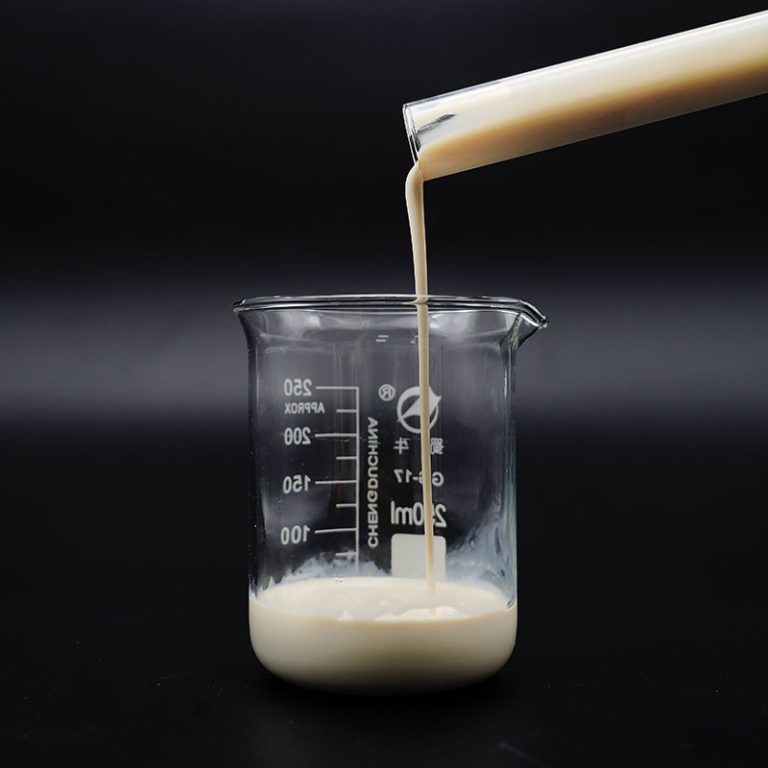
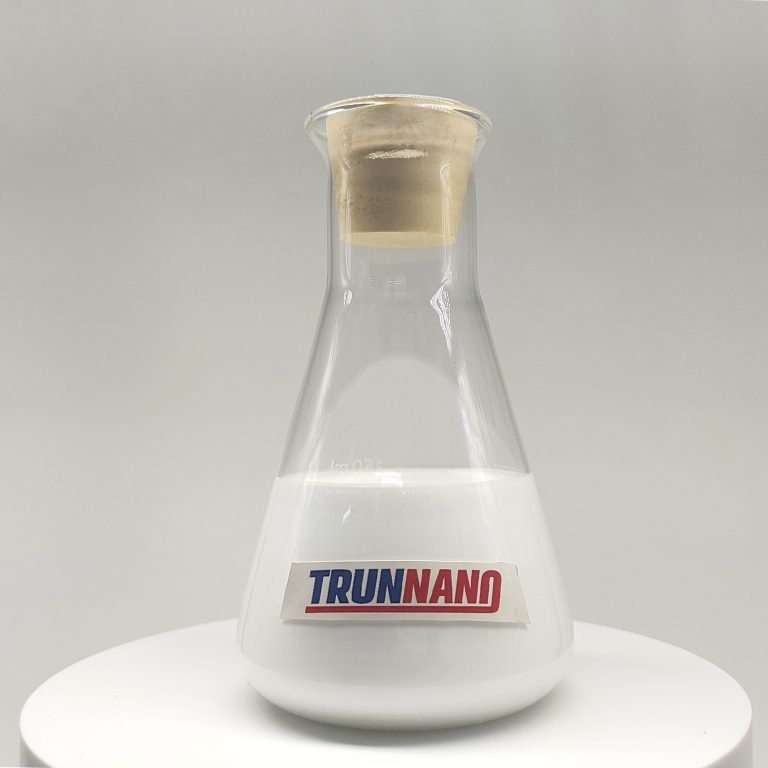
Good ing Chemical Auxiliary Agent Concrete Release Agent Silicone and Powder Release Agent
PRODUCT PARAMETERS
Description
Overview of Good ing Chemical Auxiliary Agent Concrete Release Agent Silicone and Powder Release Agent
Good ing Chemical Auxiliary Agent Concrete Release Agent Silicone and Powder Release Agent is essential for achieving flawless demolding in any concrete production process. This category features a range of specialized formulations designed to create a reliable barrier between wet concrete and the formwork surface.
Features of Good ing Chemical Auxiliary Agent Concrete Release Agent Silicone and Powder Release Agent
Good ing Chemical Auxiliary Agent Concrete Release Agent Silicone and Powder Release Agent is engineered to provide superior performance, protect your investment, and streamline your operations, offering distinct advantages over generic alternatives.
Superior Surface Quality and Consistent Results: The primary benefit is the production of pristine concrete surfaces. Our agents are formulated to prevent concrete from bonding to the formwork, effectively eliminating surface defects such as pitting, “”bug holes,”” and discoloration. This ensures a consistent, high-quality finish straight from the mold, significantly reducing the need for costly and time-consuming surface repairs or grinding.
Enhanced Formwork Protection and Longevity: Concrete is highly abrasive and alkaline, which can degrade formwork over time. Our release agents create a protective film that shields molds and tools from corrosive effects and rust. By preventing the buildup of hardened concrete residue, they make cleaning easier and less frequent. This comprehensive protection extends the service life of your valuable formwork assets, maximizing your return on investment.
Operational Efficiency and User-Friendly Application: Designed for convenience, our products are easy to apply evenly using spray, brush, or roller. Their effective formulation ensures reliable release with minimal product usage, reducing waste. Many of our bio-based options are non-staining and safer for workers, with pleasant, low-odor formulations. By facilitating faster, cleaner, and more predictable demolding cycles, our release agents directly contribute to increased productivity and smoother workflow on the production line or job site.

Specification of Good ing Chemical Auxiliary Agent Concrete Release Agent Silicone and Powder Release Agent
Concrete release agents stop wet concrete from sticking to molds. They make demolding easy. Good release agents leave clean concrete surfaces. They prevent surface damage. Silicone release agents are common. They come as liquids or emulsions. Silicone agents form a thin film on the mold. This film creates a barrier. Concrete does not bond to the barrier. Silicone repels water well. This reduces sticking. Silicone release agents offer good lubrication. They work well for many mold materials. Steel, plastic, wood molds all benefit. Silicone agents resist high alkalinity in concrete. They protect the mold surface. Apply silicone agents by spraying or brushing. A thin, even coat is best. Too much agent wastes product. Too little agent causes sticking problems. Coverage rates vary. Check the product instructions. Powder release agents are another option. These are usually fine, dry powders. Common powders include talc, calcium stearate, or special blends. Powder agents absorb moisture at the mold surface. They form a slippery layer. Concrete slides off easily. Powder agents are simple to use. Dust them onto the mold surface. They are popular for simple wood forms. Powder agents are often cheaper. They are messy sometimes. Silicone agents are cleaner. They last longer on the mold. Silicone agents penetrate porous surfaces better. Good release agents share key features. They must not stain the concrete. They must not harm the mold. They must be safe for workers. They must work reliably. Viscosity matters for liquid agents. It affects spraying ease. Particle size matters for powders. Fine powder spreads better. Some agents contain special additives. These additives boost performance. They improve release further. They might enhance mold protection. Always prepare the mold surface first. Clean it thoroughly. Remove old concrete bits. Remove old release agent residue. A clean mold ensures the best bond prevention. Choose the release agent type wisely. Consider the mold material. Consider the concrete mix design. Consider the environmental conditions.
Applications of Good ing Chemical Auxiliary Agent Concrete Release Agent Silicone and Powder Release Agent
Concrete release agents help when removing molds from hardened concrete. They stop the concrete sticking to the mold surface. This makes stripping the forms much easier. It saves time and labor on the job site. Good quality release agents are important. They ensure smooth, clean concrete surfaces every time. Silicone-based release agents are very popular. They form a thin barrier layer on the mold. This barrier prevents adhesion. Workers apply them easily by spraying or brushing. They offer good release performance. Silicone agents work well on many mold materials. Steel and wood are common examples. They also resist water well. This helps in wet conditions. Silicone release agents are often reusable. This reduces waste and cost over time. They leave minimal residue on the concrete surface. Powder release agents are another good option. They come in fine powder form. Workers dust the powder onto the mold surface before pouring concrete. These agents are ideal for textured or rough mold surfaces. They fill small pores effectively. Powder types are simple to handle. They are less messy than liquid types sometimes. Both silicone and powder agents prevent surface defects. Air bubbles and honeycombing are reduced. The final concrete finish looks better. Using these agents protects the molds too. Molds last longer without damage. This saves money on mold replacement. Choosing the right agent depends on the project. Consider the mold type and concrete mix. Weather conditions matter also. Always follow the manufacturer’s instructions for best results. Proper application ensures the agent works correctly.
Company Profile
We are the global leader in lightweight concrete and advanced engineered foam solutions. Known globally for its commitment to research, innovation, and applied expertise, we have been providing engineered foam solutions since the early 2012’s.
We can supply high-quality concrete admixture and foam concrete related products all over the world.
The company has a professional technical department and quality supervision department, a well-equipped laboratory, and equipped with advanced testing equipment and after-sales customer service center.
If you are interested, please feel free and contact us.
Payment
T/T, Western Union, Paypal, Credit Card etc.
Shipment
By air, by sea, by express, as customers request.
5 FAQs of Good ing Chemical Auxiliary Agent Concrete Release Agent Silicone and Powder Release Agent
What is a concrete release agent?
It helps concrete separate from molds smoothly. Gooding Chemical makes silicone and powder agents. They stop concrete sticking to forms. This saves time. It protects surfaces too.
Why do I need a release agent?
Concrete sticks tightly to wood or steel molds. Removing it without an agent is hard. It damages the mold surface. It damages the concrete surface. Using a release agent prevents this. It creates a barrier. The concrete slides out easily. Your mold lasts longer. Your concrete looks better.
How does it work?
The agent forms a thin film on the mold surface. This film acts like a slippery layer. Concrete cannot bond directly to the mold. Silicone agents offer excellent lubrication. Powder agents absorb moisture. They also reduce friction. Both types make demolding simple. They prevent surface defects.
How do I apply it?
Apply it evenly onto the clean mold surface. Use a brush, spray, or roller. Make sure you cover the whole area. Apply a thin layer. Too much is wasteful. Too little won’t work well. Follow the product instructions. Apply it before pouring the concrete. Reapply as needed for long pours.
What are the key benefits?
Gooding Chemical’s agents offer several advantages. They ensure easy mold release. They produce smooth concrete finishes. They reduce surface defects like pitting or staining. They extend mold life significantly. They save labor and time during demolding. They are reliable and cost-effective.