Concrete4U | Concrete Admixtures, Tools, and Production Machines

Mould Release Agent/wax For Fiberglass Composite Materials Mould
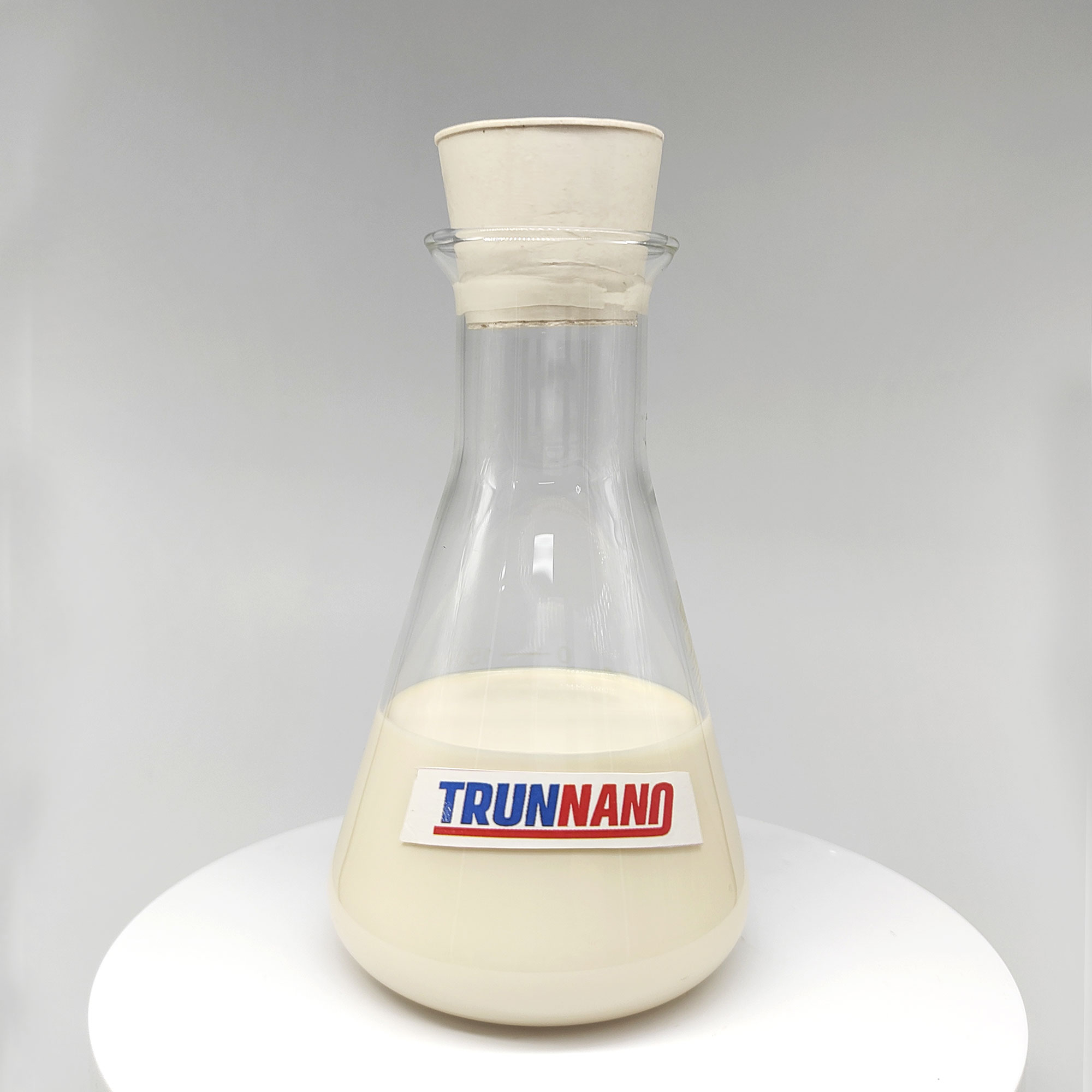
PRODUCT PARAMETERS
Description
Overview of Mould Release Agent/wax For Fiberglass Composite Materials Mould
Mould Release Agent/wax For Fiberglass Composite Materials Mould is essential for achieving flawless demolding in any concrete production process. This category features a range of specialized formulations designed to create a reliable barrier between wet concrete and the formwork surface.
Features of Mould Release Agent/wax For Fiberglass Composite Materials Mould
Mould Release Agent/wax For Fiberglass Composite Materials Mould is engineered to provide superior performance, protect your investment, and streamline your operations, offering distinct advantages over generic alternatives.
Superior Surface Quality and Consistent Results: The primary benefit is the production of pristine concrete surfaces. Our agents are formulated to prevent concrete from bonding to the formwork, effectively eliminating surface defects such as pitting, “”bug holes,”” and discoloration. This ensures a consistent, high-quality finish straight from the mold, significantly reducing the need for costly and time-consuming surface repairs or grinding.
Enhanced Formwork Protection and Longevity: Concrete is highly abrasive and alkaline, which can degrade formwork over time. Our release agents create a protective film that shields molds and tools from corrosive effects and rust. By preventing the buildup of hardened concrete residue, they make cleaning easier and less frequent. This comprehensive protection extends the service life of your valuable formwork assets, maximizing your return on investment.
Operational Efficiency and User-Friendly Application: Designed for convenience, our products are easy to apply evenly using spray, brush, or roller. Their effective formulation ensures reliable release with minimal product usage, reducing waste. Many of our bio-based options are non-staining and safer for workers, with pleasant, low-odor formulations. By facilitating faster, cleaner, and more predictable demolding cycles, our release agents directly contribute to increased productivity and smoother workflow on the production line or job site.

Specification of Mould Release Agent/wax For Fiberglass Composite Materials Mould
This mould release representative and wax is specifically made for fiberglass composite moulds. You use it to stop the treated fiberglass component from sticking to the mould surface area. It makes demoulding very easy. It assists stop damage to both the mould and the repair. You get a smooth finish on the fiberglass item. That conserves time and money.
The item is a mix of unique waxes and launch components. These components form an obstacle layer between the mould and the laminate. They stop resin and gelcoat from bonding straight to the mould surface. You apply it by hand. Make use of a soft towel. Scrub it onto the tidy, sleek mould surface. Build up several slim layers. Lover each layer to a high sparkle prior to adding the following one. This builds a solid, slick film.
It works excellent with polyester, plastic ester, and epoxy resins. It collaborates with gelcoats too. The release movie remains stable throughout healing. It deals with the warm from the exothermic reaction well. It does not infect the laminate surface area. Your parts come out clean. They need much less finishing job. The wax doesn’t build up excessively over several uses. Simply clean up the mould regularly. After that reapply the launch representative.
The product is easy to use. It comes all set to use. No mixing is required. It has reduced volatility. This means fewer fumes. It has an enjoyable smell. Always comply with the security directions on the tag. Use handwear covers. Use in a well-ventilated area. Shop it in a cool, completely dry area. Maintain it away from heat resources. Check the technical information sheet for full details on temperature limits and shelf life.
Applications of Mould Release Agent/wax For Fiberglass Composite Materials Mould
Fiberglass composite products are preferred. They are used in several items. Producing these products requires moulds. Moulds form the fiberglass material. The resin needs to harden inside the mould. Removing the finished component can be challenging. The fiberglass usually sticks to the mould surface area. Sticking damages the component. Sticking problems the mould too. This is a huge issue.
Mould release agents address this trouble. They are also called mould launch wax. These agents develop an obstacle layer. They go in between the mould and the fiberglass part. This layer stops bond. It avoids the resin from bonding directly to the mould. The component launches easily after curing.
Using mould release is easy. Clean the mould surface area thoroughly initially. Any kind of dirt or old release causes issues. Use the launch representative properly. Adhere to the item directions. Utilize a slim, also layer. Rubbing paste wax builds an excellent barrier. Spray launches supply fast application. Several layers are commonly needed for new moulds. Reapply between every couple of parts.
Great mould launch offers numerous advantages. Components come out efficiently. There is no sticking or tearing. Components have a much better surface finish. They look great right from the mould. Less sanding is required later on. Moulds last much longer without damage. Constant sticking wears the mould surface. Launch agents shield that surface area. This saves cash in time. Selecting the right release agent matters. Think about the mould product. Think about the resin type. Take into consideration the required part surface.
Making use of mould launch is vital. It makes fiberglass manufacturing reliable. It shields your mould investment. It guarantees top notch parts every single time. Constantly use a suitable mould launch agent.
Company Profile
We are the global leader in lightweight concrete and advanced engineered foam solutions. Known globally for its commitment to research, innovation, and applied expertise, we have been providing engineered foam solutions since the early 2012’s.
We can supply high-quality concrete admixture and foam concrete related products all over the world.
The company has a professional technical department and quality supervision department, a well-equipped laboratory, and equipped with advanced testing equipment and after-sales customer service center.
If you are interested, please feel free and contact us.
Payment
T/T, Western Union, Paypal, Credit Card etc.
Shipment
By air, by sea, by express, as customers request.
5 FAQs of Mould Release Agent/wax For Fiberglass Composite Materials Mould
What is mould release agent? Why do I need it?
Mould release agent is a special spray or liquid wax. You put it on your mould surface before making fiberglass parts. It creates a thin barrier layer. This barrier stops the wet fiberglass resin from sticking directly to your mould. Without it, your finished part gets stuck inside the mould. You might ruin both the part and the mould trying to pull it out.
How does mould release agent work?
The agent forms a slippery film over the mould. Think of it like greasing a pan before baking. When you lay up the fiberglass layers, the resin doesn’t bond to the mould surface. It bonds only to itself and the glass fibers. After the resin cures and hardens, the part releases easily. The mould stays clean and undamaged.
What’s the best way to apply release agent?
Start with a perfectly clean mould. Any dust or old residue causes problems. Spray the release agent in thin, even coats. Let each coat dry completely before adding the next one. Usually two or three coats work best. Buffing between coats makes the finish smoother. Never apply too much. Thick layers leave marks on your part.
Should I use wax or a spray release agent?
It depends on your mould and how many parts you make. Paste wax needs rubbing on and buffing off. It gives a very high shine but takes more work. Spray release agents are faster and easier for large moulds. Some sprays work for many parts before needing reapplication. Paste wax might need waxing after every few parts. Try both to see what works for you.
How often do I reapply release agent?
Check the mould surface after each part release. Look for dull spots or areas where the shine is gone. These areas need more agent. Wipe the mould clean first. Apply one or two fresh coats over the dull spots. Buff it smooth. For high-quality finishes, reapplying every few parts is smart. Don’t wait until the part sticks.