Concrete-mesa | Concrete Admixtures, Tools, and Production Machines

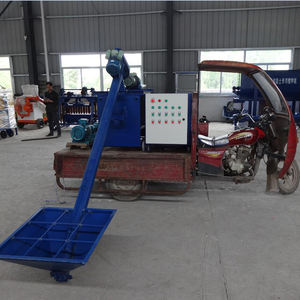
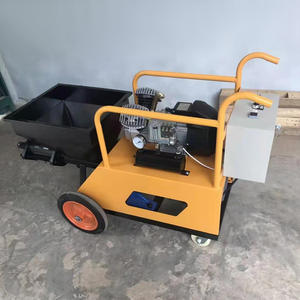
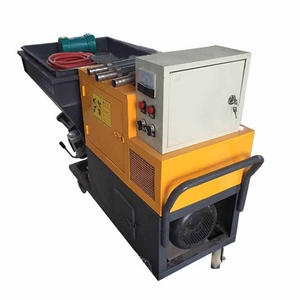
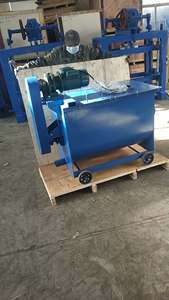
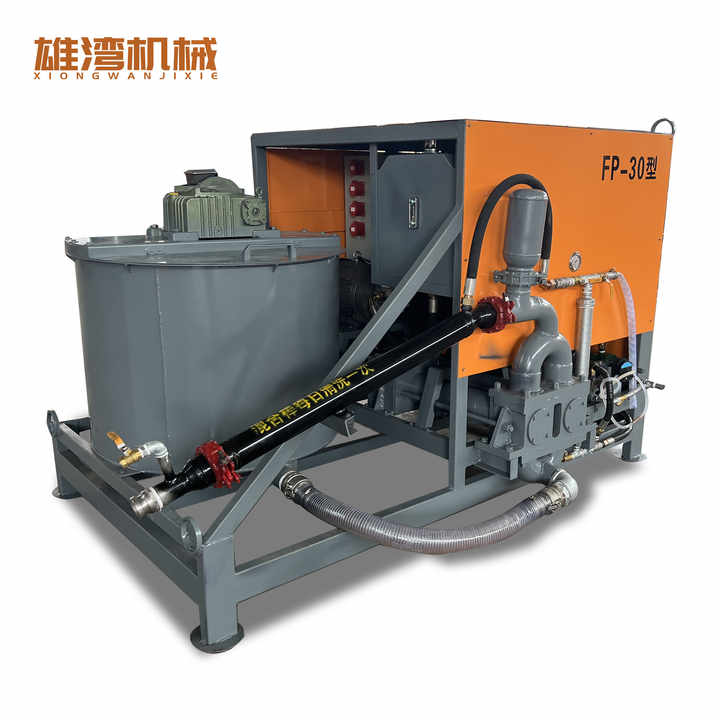
Foam Concrete Machine Construction Machinery Concrete Mortar Spray Automatic Plastering Machine Cement Wall Cement Mortar
PRODUCT PARAMETERS
Description
Overview of Foam Concrete Machine Construction Machinery Concrete Mortar Spray Automatic Plastering Machine Cement Wall Cement Mortar
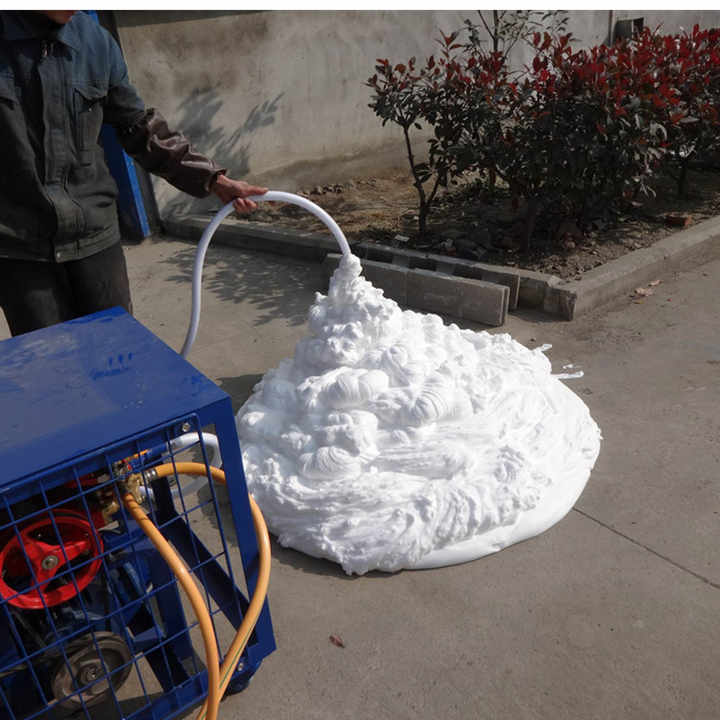
Foam Concrete Machine Construction Machinery Concrete Mortar Spray Automatic Plastering Machine Cement Wall Cement Mortar is essential equipment for the production of foam concrete, a versatile building material used in a wide range of applications such as insulation, fireproofing, and lightweight construction. The foam generator is responsible for generating stable and consistent foam, which is mixed with cement to create foam concrete with specific properties. There are various types of foam generators, including manual, semi-automatic, and fully automatic models, each suitable for different production scales and material requirements. Proper maintenance and calibration of the generator are essential to ensure foam stability and mix uniformity. By choosing the right generator, manufacturers can ensure efficient production of high-quality foam concrete, meeting industry standards and customer needs.
Characteristics of Foam Concrete Machine Construction Machinery Concrete Mortar Spray Automatic Plastering Machine Cement Wall Cement Mortar
High Foam Stability: Equipped with advanced foam-making technology, these generators produce stable, consistent foam, ensuring uniformity in the foam concrete mixture. This leads to better performance and durability of the final product.
Wide Foam Density Range: Concrete foam generators can produce a wide range of foam densities, from low-density foam for lightweight insulation panels to high-density foam for structural applications. This flexibility allows users to tailor foam concrete to their specific needs.
High Efficiency: Designed to optimize foam production, these generators deliver high output with minimal energy consumption. This makes them ideal for large-scale industrial production while maintaining cost-effectiveness.
Multiple Control Modes: Many foam generators offer adjustable control modes, such as manual, semi-automatic, or fully automatic operation. These modes can be selected based on production requirements and operator preference, ensuring precise control over foam quality.
Easy Operation and Maintenance: Concrete foam generators are designed with user-friendly interfaces and easy-to-follow instructions, making them simple to operate. Regular maintenance requirements are minimal, ensuring long-term, hassle-free performance.
Compact Design: Despite their powerful capabilities, these foam generators are typically compact and easy to install in existing production lines, optimizing space in industrial environments.
Durability and Reliability: Constructed from high-quality materials, concrete foam generators are built for long-term reliability and robust performance, even in demanding industrial environments. This ensures consistent output and reduced downtime.
Customizable Foam Output: The foam output can be adjusted according to the required consistency and volume, offering users the flexibility to meet varying production demands.
Environmental Friendly: Foam concrete production with these generators is environmentally friendly due to reduced energy usage and the ability to recycle waste materials, contributing to a more sustainable construction process.
Safety Features: Equipped with built-in safety measures, including overload protection, automatic shut-off functions, and fault detection alarms, concrete foam generators ensure safe operation and prevent damage during unexpected conditions.

Specification of Foam Concrete Machine Construction Machinery Concrete Mortar Spray Automatic Plastering Machine Cement Wall Cement Mortar
This foam concrete device takes care of building and construction jobs well. It blends and sprays concrete, mortar, foam concrete successfully. It automates plastering work with walls, floorings, ceilings. This conserves significant labor prices. Workers stay clear of hefty manual plastering. The equipment applies product smoothly and consistently. You get a level surface every single time. It deals with routine cement-sand mortar. It additionally deals with light-weight foam concrete. Foam concrete uses great insulation residential properties. The machine sprays these products accurately. It pumps the mix via a hose pipe. The nozzle at the end regulates the spray. Operators change the spray pattern quickly. They manage the thickness used. This makes sure the right protection. The maker integrates mixing and pumping. Products feed into a receptacle initially. After that the system blends them thoroughly. The pump sends out the mix via the tube. Splashing ends up being quick and reliable. Large surfaces cover quickly. Little areas are convenient as well. Uniformity boosts considerably. Human error lowers considerably. The maker maintains uniform stress. This provides also application. Much less material gets wasted overall. Building tasks complete much faster. Quality assurance ends up being less complex. The device suits brand-new structure construction. It helps restoration tasks. It handles exterior and interior wall surfaces. Ceilings benefit from its use. Floors receive smooth layers. Upkeep entails regular checks. Clean the system after each usage. Oil relocating parts on a regular basis. Check hose pipes and nozzles for wear. Change worn components quickly. Proper care makes sure long service life. Operators need some training. Finding out the controls is simple. Basic operation abilities create rapidly. Safety and security treatments are necessary. Constantly adhere to maker guidelines. Put on safety equipment throughout operation. The machine improves efficiency considerably. It boosts task site efficiency. Investment settles with time.
Applications of Foam Concrete Machine Construction Machinery Concrete Mortar Spray Automatic Plastering Machine Cement Wall Cement Mortar
Foam concrete devices construct lightweight concrete. This product is unique. It is full of tiny bubbles. This makes it light. It also shields well. You see it used in lots of places. Building contractors use it for filling up voids underground. It goes into trenches. It loads old pipelines. It sustains foundations. Foam concrete is good for that. It moves easily. It fills up tight areas. It sets well. Home builders likewise use it for flooring screeds. It makes a smooth base for floors. It fasts to put. It dries out quickly. This saves time on jobs. Foam concrete is popular for roof covering insulation as well. It keeps warmth in. It keeps structures cozy. It cuts heating costs.
Construction machinery helps with this process. Concrete mortar spray systems use the mix. They pump it out. They spray it onto surfaces. This is quickly. This is efficient. Employees manage the circulation. They control the thickness. This makes sure a great finish. Automatic gluing equipments work with this. They smooth the sprayed mortar. They produce level wall surfaces. They create flat ceilings. This changes hand-operated plastering. It is much quicker. It uses much less labor. The finish is much more constant. This is essential for quality.
Concrete wall surfaces gain from these equipments. Spraying and plastering create strong wall surfaces. They create durable wall surfaces. The mortar bonds strongly to the cement. The procedure is quickly. It is reliable. Concrete mortar is the vital material. It is a mix of cement, sand, and water. Occasionally builders include lime. Foam concrete equipments customize this mortar. They include foam. This creates the lightweight concrete. The spray systems use it. The gluing makers finish it. Making use of these makers with each other boosts structure work. It accelerates building and construction. It decreases expenses. It offers better outcomes.
Company Profile
We are the global leader in lightweight concrete and advanced engineered foam solutions. Known globally for its commitment to research, innovation, and applied expertise, we have been providing engineered foam solutions since the early 2012’s.
We can supply high-quality concrete admixture and foam concrete related products all over the world.
The company has a professional technical department and quality supervision department, a well-equipped laboratory, and equipped with advanced testing equipment and after-sales customer service center.
If you are interested, please feel free and contact us.
Payment
T/T, Western Union, Paypal, Credit Card etc.
Shipment
By air, by sea, by express, as customers request.
5 FAQs of Foam Concrete Machine Construction Machinery Concrete Mortar Spray Automatic Plastering Machine Cement Wall Cement Mortar
Here are five common questions about foam concrete machines. What does this machine do? It makes lightweight concrete. The machine mixes cement, water, and a special foam agent. This creates a light, bubbly concrete mix. It pumps this mix through a hose. You spray it onto walls, floors, or roofs. This gives a smooth layer.
Is this machine hard to use? No, it is designed for simple operation. Most models are automatic. You set the mix ratios. The machine does the mixing and pumping. One person can often handle the spraying. Training is usually quick. Anyone familiar with construction tools can learn it.
What about cleaning? Cleaning is important. You must clean the machine after each use. Leftover cement hardens inside. This causes blockages. Clean the pump, hoses, and spray nozzle with water. Do this before the cement sets. Regular cleaning keeps the machine working well.
What materials can it spray? The machine handles various cement mixes. It works with standard mortar. It also works with plaster mixes. Some machines handle thicker concrete too. Always check the machine’s specifications. Make sure your mix matches what the machine can pump.
Why use this machine? It saves time and labor. Manual plastering takes many workers. It takes many hours. This machine applies the mix fast. It gives an even finish. You cover large areas quickly. It reduces the need for multiple workers. This cuts down on project costs.