Concrete4U | Concrete Admixtures, Tools, and Production Machines

Concrete Repair Mortar
PRODUCT PARAMETERS
Description
Overview of Concrete Repair Mortar
Concrete Repair Mortar is a cementitious material manufactured using specialized materials, formulation techniques, and production technologies to meet specific engineering performance requirements. Compared to general-purpose Portland cement, specialty cement offers distinct advantages in particular properties, enabling it to withstand extreme environments, satisfy specialized process demands, and enhance the durability and functionality of building structures. It serves as a critical material for resolving major complex engineering challenges.
Features of Concrete Repair Mortar
1. Specialized Performance, Targeted Solutions: Provides professional solutions for specific engineering challenges (such as corrosion, shrinkage, extreme temperatures, etc.).
2. Enhanced Durability, Extended Lifespan: Fundamentally increases the service life of structures in harsh environments, resulting in lower total lifecycle costs.
3. Simplified Construction Processes, Improved Efficiency: Examples include fast-setting cement significantly reducing project timelines, and expansive cement enabling self-waterproofing structures while streamlining procedures.
4. Enables Special Functions, Expands Design Boundaries: Empowers architects and engineers to realize more complex design concepts, such as large-span structures, super-tall buildings, and unique decorative effects.
5. Green and Energy-Efficient: Certain products utilize industrial waste materials as raw ingredients, aligning with sustainable development principles. Simultaneously, enhanced structural durability reduces future maintenance resource consumption.

Specifications of Concrete Repair Mortar
Concrete repair mortar fixes damaged concrete surfaces. This material is specially designed for durability and ease of use. It typically consists of a cement base combined with fine aggregates. Polymer additives are often included. These additives improve performance significantly. The mortar bonds strongly to existing concrete. It provides long-lasting repairs.
Key specifications focus on mechanical properties. Compressive strength is crucial. Good repair mortars achieve high compressive strength quickly. Values often exceed the original concrete within days. Flexural strength is also important. This determines how well the material handles bending forces. Bond strength is critical for adhesion. The mortar must stick well to the old concrete surface. A strong bond prevents future failure.
Application properties matter for usability. The working time defines how long you have to place the mortar. Pot life varies between products. Some offer extended time for large projects. Others set faster for quick fixes. The cure time indicates when the repair reaches full strength. This can range from several hours to a few days. Temperature affects application and curing. Most mortars work within a specific temperature range. Check the product datasheet for exact details.
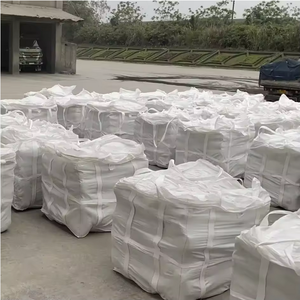
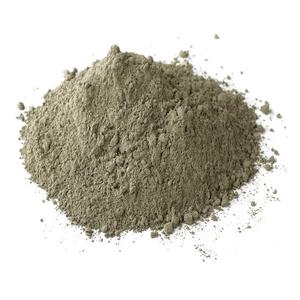
Physical characteristics include color and texture. Many mortars are grey to match standard concrete. Custom colors are sometimes available. The texture can be adjusted for a smooth or rough finish. Packaging usually comes in bags. Mixing requires clean water according to the instructions. Proper mixing ensures consistent quality and performance. Storage conditions are typically cool and dry. Shelf life varies by manufacturer. Always check the expiration date before use.
Applications of Concrete Repair Mortar
Concrete repair mortar fixes damaged concrete. It handles many repair jobs. Cracks are a big problem. Mortar fills them well. Small cracks or wide gaps both get fixed. The mortar bonds tightly to the old concrete. It stops water getting in. Water causes more damage later.
Surface damage happens too. Chips or holes appear on concrete surfaces. Mortar patches these spots. It fills the missing pieces. The repair matches the surrounding area. You get a smooth finish again.
Concrete joints often need help. Mortar seals gaps in control joints or construction joints. Sealing keeps out water and dirt. It prevents the joint edges from crumbling later. Mortar is good for this job.
Damaged corners or edges are common. Mortar rebuilds these sharp lines. It makes the corner strong and neat again. The repair protects against further chipping.
Minor surface flaws get fixed with mortar too. Small holes or rough spots get smoothed over. Mortar gives a uniform look to the repaired surface. It hides imperfections effectively.
Company Profile
We are the global leader in lightweight concrete and advanced engineered foam solutions. Known globally for its commitment to research, innovation, and applied expertise, we have been providing engineered foam solutions since the early 2012’s.
We can supply high-quality concrete admixture and foam concrete related products all over the world.
The company has a professional technical department and quality supervision department, a well-equipped laboratory, and equipped with advanced testing equipment and after-sales customer service center.
If you are interested, please feel free and contact us.
Payment
T/T, Western Union, Paypal, Credit Card etc.
Shipment
By air, by sea, by express, as customers request.
5 FAQs of Concrete Repair Mortar
What is concrete repair mortar?
Concrete repair mortar fixes damaged concrete. It is a special mix. You apply it to cracks, holes, or spalled areas. It bonds strongly to the old concrete. This mortar restores strength and shape. It protects the structure for longer life.
How do I apply it?
First, clean the damaged area very well. Remove all loose concrete and dirt. Make the surface slightly rough. This helps the new mortar stick. Wet the area slightly before applying. Mix the mortar powder with clean water. Follow the package directions exactly. Press the mortar firmly into the repair spot. Fill it completely. Smooth the top surface with a tool. Match the shape around it.
How long does it take to dry?
Drying time depends on the weather. Thicker repairs take longer. Usually, it sets hard in a few hours. You can walk on it then. Full strength takes longer. Often, it needs several days. Protect new repairs from rain, sun, or frost. Cover them if needed. Check the product instructions for exact times.
Why prep the surface?
Good surface prep is critical. It makes the repair last. Dirt, oil, or loose bits stop the mortar from sticking well. A poorly prepped surface means the repair might fall out later. Cleaning removes these problems. Roughening gives the mortar something to grip. It creates a strong bond between old and new material.
How thick can I apply it?
You can apply repair mortar in different thicknesses. Thin layers fix small cracks and holes. Deep repairs need thicker layers. Some mortars handle thin coats. Others are for thick fills. Always check the product details. Applying too thick or too thin can cause problems. Use the right mortar for your job depth. Fill deep holes in stages if needed.