Concrete-mesa | Concrete Admixtures, Tools, and Production Machines

Lightweight Insulation Castable Cement Per Ton High Alumina Cement Refractory Cement
PRODUCT PARAMETERS
Description
Overview of Lightweight Insulation Castable Cement Per Ton High Alumina Cement Refractory Cement
Lightweight Insulation Castable Cement Per Ton High Alumina Cement Refractory Cement is a cementitious material manufactured using specialized materials, formulation techniques, and production technologies to meet specific engineering performance requirements. Compared to general-purpose Portland cement, specialty cement offers distinct advantages in particular properties, enabling it to withstand extreme environments, satisfy specialized process demands, and enhance the durability and functionality of building structures. It serves as a critical material for resolving major complex engineering challenges.
Features of Lightweight Insulation Castable Cement Per Ton High Alumina Cement Refractory Cement
1. Specialized Performance, Targeted Solutions: Provides professional solutions for specific engineering challenges (such as corrosion, shrinkage, extreme temperatures, etc.).
2. Enhanced Durability, Extended Lifespan: Fundamentally increases the service life of structures in harsh environments, resulting in lower total lifecycle costs.
3. Simplified Construction Processes, Improved Efficiency: Examples include fast-setting cement significantly reducing project timelines, and expansive cement enabling self-waterproofing structures while streamlining procedures.
4. Enables Special Functions, Expands Design Boundaries: Empowers architects and engineers to realize more complex design concepts, such as large-span structures, super-tall buildings, and unique decorative effects.
5. Green and Energy-Efficient: Certain products utilize industrial waste materials as raw ingredients, aligning with sustainable development principles. Simultaneously, enhanced structural durability reduces future maintenance resource consumption.

Specifications of Lightweight Insulation Castable Cement Per Ton High Alumina Cement Refractory Cement
This lightweight insulation castable cement uses high alumina cement. It offers strong heat resistance and excellent insulating properties. The main ingredient is high-quality bauxite. This gives it a high alumina content. The cement is finely ground. This makes mixing with water simple. Workers achieve a smooth, workable paste every time. This paste flows easily into molds or complex shapes.
The dried cement forms a porous structure. Tiny air pockets fill this structure. These air pockets trap heat effectively. Heat transfer slows down significantly. Your equipment stays hotter inside. Less energy escapes. This saves on fuel costs. Energy efficiency improves noticeably.
Its density is much lower than standard refractory castables. Heavy linings strain structures unnecessarily. This lightweight cement reduces that load. Installation becomes easier and faster. Labor costs decrease. Workers handle it without excessive strain.
It withstands extreme temperatures reliably. Continuous use up to 1600°C (2912°F) is standard. It handles sudden temperature shifts well. Thermal shock damage is minimized. Furnace linings last longer. Repairs happen less often. This cement bonds strongly to existing refractory surfaces. Patch repairs are straightforward and durable.
Its low thermal conductivity is a key benefit. Heat loss drops considerably. Surface temperatures stay safer. Workplace safety improves. Insulation performance is consistent long-term. Chemical resistance is good against common furnace atmospheres. Erosion and corrosion damage are reduced.
Use this castable for furnace backs, boiler insulation, kiln lids, and pipe covering. It’s ideal where heat retention matters and weight is a concern. Installation requires basic casting techniques. No special skills are needed. Just mix with clean water. Pour or vibrate into place. Let it cure properly. Then dry it slowly before heating to full temperature.
Applications of Lightweight Insulation Castable Cement Per Ton High Alumina Cement Refractory Cement
Lightweight insulation castable cement is a special high alumina cement. It’s sold per ton for industrial heating jobs. This material handles extreme heat very well. It also stops heat from escaping. That makes it perfect for insulating furnaces, boilers, and kilns. You need strong insulation in these places. This cement provides that strength plus excellent thermal protection.
The main benefit is big energy savings. Good insulation means less heat loss. Your equipment doesn’t work so hard to stay hot. You use less fuel. That cuts operating costs fast. The lightweight nature helps too. It puts less stress on furnace structures. This extends the life of the whole system. Heavy linings cause damage over time. This cement avoids that problem.
Safety improves also. Hot surfaces are dangerous for workers. Proper insulation lowers surface temperatures. The work area stays safer. This cement is easy to install like regular concrete. You mix it with water. Then you pour or pump it into place. It sets quickly. You get a strong, seamless lining. That seamless quality is important. It stops heat leaks at joints.
The cement withstands thermal shock. Equipment heats up and cools down often. Sudden temperature changes crack weak materials. This high alumina cement handles those cycles. It lasts longer than many alternatives. Maintenance needs drop. Downtime for repairs decreases. Industries like steel, glass, and petrochemicals rely on it. Power plants use it extensively too. It insulates pipes carrying hot gases effectively. Chimney linings benefit from its properties. The material is versatile across high-heat applications. Its combination of low weight, high insulation, and durability is key. You get reliable performance and cost efficiency. This cement is a practical solution for demanding thermal environments.
Company Profile
We are the global leader in lightweight concrete and advanced engineered foam solutions. Known globally for its commitment to research, innovation, and applied expertise, we have been providing engineered foam solutions since the early 2012’s.
We can supply high-quality concrete admixture and foam concrete related products all over the world.
The company has a professional technical department and quality supervision department, a well-equipped laboratory, and equipped with advanced testing equipment and after-sales customer service center.
If you are interested, please feel free and contact us.
Payment
T/T, Western Union, Paypal, Credit Card etc.
Shipment
By air, by sea, by express, as customers request.
5 FAQs of Lightweight Insulation Castable Cement Per Ton High Alumina Cement Refractory Cement
What is lightweight insulation castable cement?
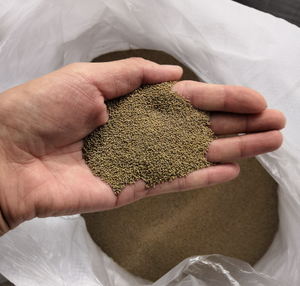
This cement is a special refractory mix. It uses high alumina cement. Tiny hollow ceramic balls create its lightweight structure. This makes it much lighter than dense refractory castables. Its main job is insulation.
Where do people use this cement?
It works well in places needing heat containment. Backing layers behind heavy refractory linings are common. Furnace roofs and walls benefit. So do kiln casings and boiler settings. It protects steel structures from intense heat. It saves energy by reducing heat loss.
Why pick lightweight over dense refractory cement?
The weight difference matters most. Lightweight cement puts less stress on structures. This is crucial for big furnaces or old kilns. Its insulating power is much better too. It keeps heat inside the process area. This lowers fuel costs significantly. Installation is easier because it’s lighter.
How hot can this cement handle?
Its maximum temperature depends on the alumina content. Standard mixes usually handle 2600°F to 2800°F (1425°C to 1540°C). High-alumina versions manage even higher temperatures. Always check the specific product data sheet. Know your furnace’s operating temperature first.
How do you install this castable cement?
Mix it with clean water. Follow the supplier’s exact water ratio. Too much water weakens the final lining. Too little prevents proper flow. Pour or vibrate it into forms or molds. Proper curing is essential. Let it dry slowly. Controlled heat-up follows curing. This drives out chemical water safely. Never rush the drying and firing schedule.